Çamëria Historial Overview
Historically, the province of Çameria encompassed the southwestern part of Lower Albania, extending from Lake Butrint and the Pavlla River to the bay of Preveza. It included districts such as Filat, Gumenica, Margellic, Paramithi, Parga, Preveza, and Filipjadha, covering an area of 5,000 square kilometers with a coastline of 100 kilometers. As of 1913, it had an Albanian population (both Muslim and Orthodox) exceeding 75,000 inhabitants.
Since ancient times, Çameria has been inhabited by Illyrian tribes and was part of the Vilayet of Ioannina during the Ottoman period up until 1912. Additionally, other regions with significant Albanian populations—including Janina (the former capital of Lower Albania), Voshtina, Konica, and parts of Kostur and Follorina. The Albanian populations in Çameria are called Arvanites.
Since the onset of the Balkan Wars in 1912, which supposedly were directed against the Ottomans but in reality were against Albanian Muslim population, Albanians have faced substantial pressures from neighboring Greek and Slavic forces aimed at displacing them from their ethnic homeland. This expansionist policy was formalized by the decisions made at the Conference of Ambassadors in London in 1912/1913, which resulted in a significant portion of the Albanian population and territories being allocated to Serbia, Montenegro, Macedonia, and Greece, with long-lasting repercussions that persist to this day. The Conference of Ambassadors formalized this division, resulting in most of Çameria being awarded to Greece, while only 13 villages with Muslim and Orthodox populations remained within Albania. This marked the beginning of significant turmoil for the Cham population.
According to Encyclopedia Brittanica “Many observers doubted whether the new state (Greece) would be viable with about one-half of Albanian lands and population left outside its borders, especially since those lands were the most productive in food grains and livestock”. In the aftermath of the annexation, the Greek occupation policy in Çameria swiftly implemented a range of oppressive tactics aimed at marginalizing the Albanian population, including:
Heavy taxes were imposed on the local population, making it difficult for families to sustain their livelihoods and encouraging many to leave the region.
The systematic appropriation of land from Albanians stripped them of their agricultural base and further impeded their economic stability.
There was a violent prohibition of education in the Albanian language, even at the primary school level. This erasure of cultural identity aimed to assimilate the local population into Greek culture.
The occupation was marked by widespread violence, including arrests, imprisonment, and brutal punishment. The crimes committed during these years have been characterized as genocide due to their systematic nature, aimed at the ethnic cleansing of Albanians. This classification reflects the intent behind the massacres, which included the forced expulsion and murder of civilians.
The Lausanne Agreement of 1923 marked a significant turning point for the Albanian Cham population. This agreement, which formalized the population exchanges between Greece and Turkey, had devastating consequences for the Çameria region. A significant number of Muslims—many of whom were ethnic Albanians—were forcibly migrated to Turkey as part of the agreement. This act was viewed as a form of ethnic cleansing and contributed to the demographic and cultural erasure of the Albanian presence in the region.
The period surrounding the Lausanne Agreement and the subsequent rise of fascism in Greece represented a dark chapter for the Cham population and the broader Albanian community. The combination of land seizures, forced migrations, and systematic attempts to undermine ethnic identity has had lasting implications for the Chams, shaping their historical narrative and their relationship with both Greece and Albania. Understanding these events is crucial for contextualizing the ongoing struggles of the Cham population and their quest for recognition and justice in contemporary discussions about historical grievances in the Balkans.
The Greek government’s policy towards the Albanian population in Çameria extended beyond land appropriation and population displacement; it also included a systematic campaign to erase Albanian cultural and linguistic identity through the renaming of villages and settlements. This effort was part of a broader strategy to assimilate the local Albanian population and establish a Greek national identity in the region. These changes sought to erase the Albanian heritage of these settlements and impose a new cultural identity on the local population. The renaming of places played a significant role in the broader efforts of cultural assimilation, as the state sought to impose its language, traditions, and identity upon the local population. These policies had lasting effects on the cultural and social fabric of the region, as the imposition of new names often led to confusion and disconnection from the historical identity of the communities.
Over time, these changes have not only affected the immediate residents but have also shaped later generations’ perceptions of their heritage. The legacy of these policies continues to resonate today, as the Cham population grapples with its identity and seeks recognition for its historical grievances. Understanding this aspect of the Cham experience is vital for comprehending the complexities of ethnic relations and national identities in the Balkans.
The Çamëria Region in Greece is an area known for its rich cultural heritage, stunning lands apes, and traditional Arvanites (Albanian) hospitality. While it may not be as internationally recognized as other regions in Greece, it offers a unique blend of experiences for tourists seeking to explore authentic Arvanites life. Here’s an overview of the tourism aspects in this region:
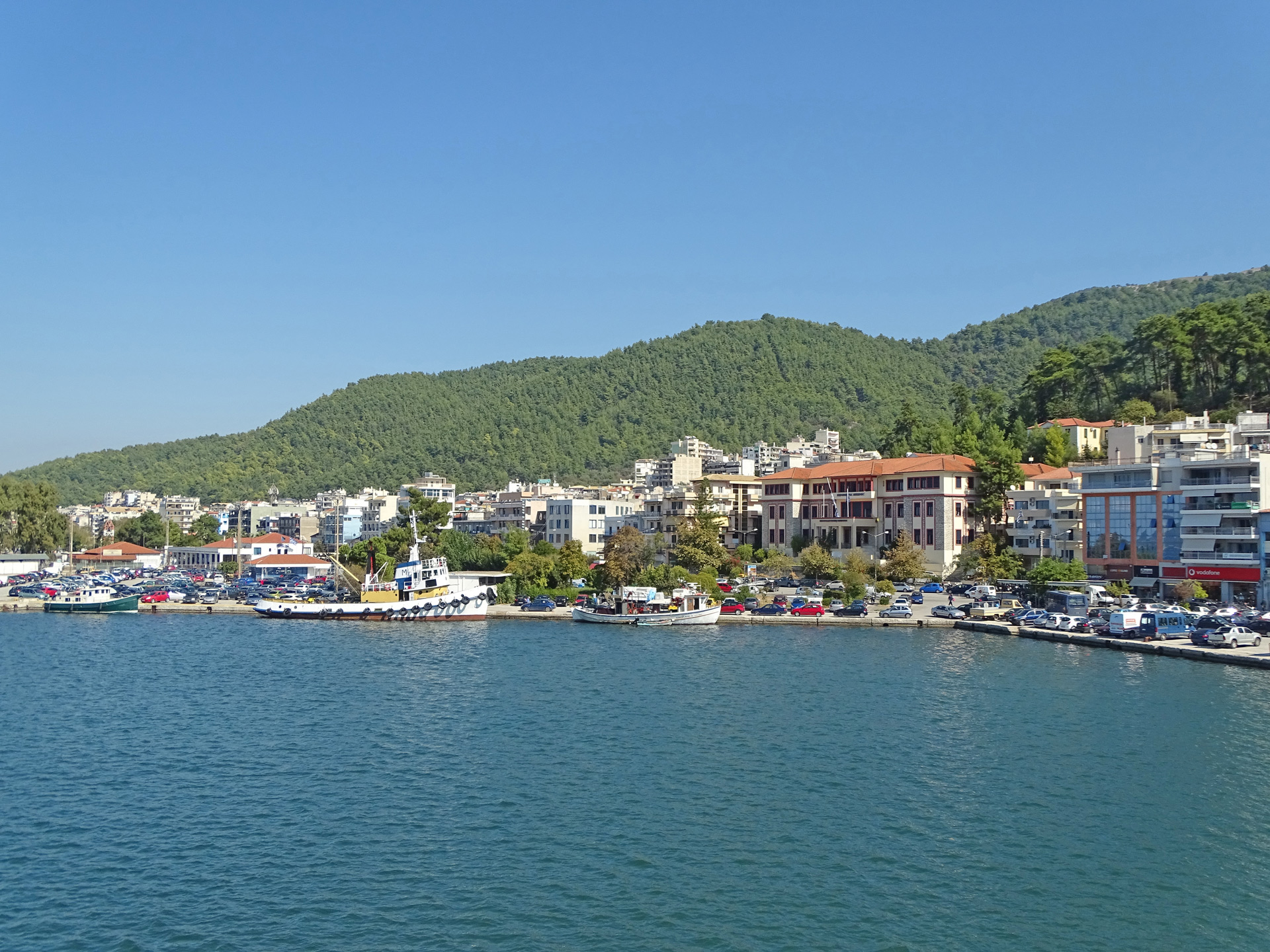
Çameria is situated in the mainland mountainous terrain, characterized by its picturesque landscapes, including hills, valleys, and rivers. The climate is typical of Mediterranean regions, featuring hot summers and mild winters, which makes it an attractive year-round destination.
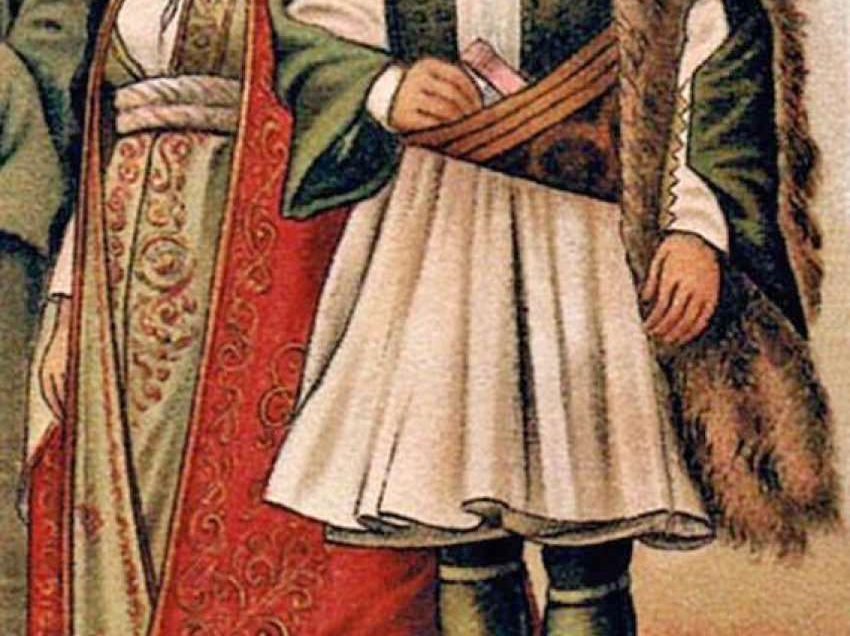
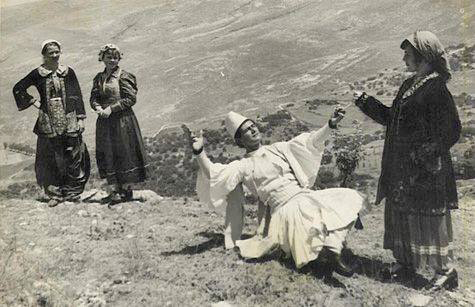
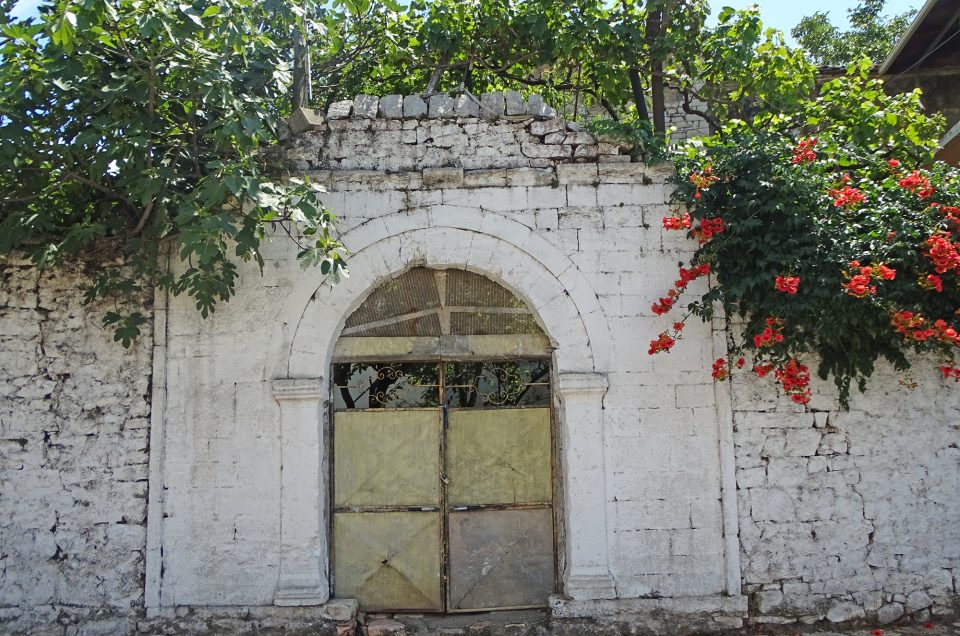
Hiking and Outdoor Activities: The mountainous terrain offers various hiking trails and opportunities for outdoor activities like mountain biking, bird watching, and photography.
Tourists can find a range of accommodation options, from family-run guesthouses and boutique hotels to more modern lodgings. Staying in traditional stone houses can provide a more immersive experience.
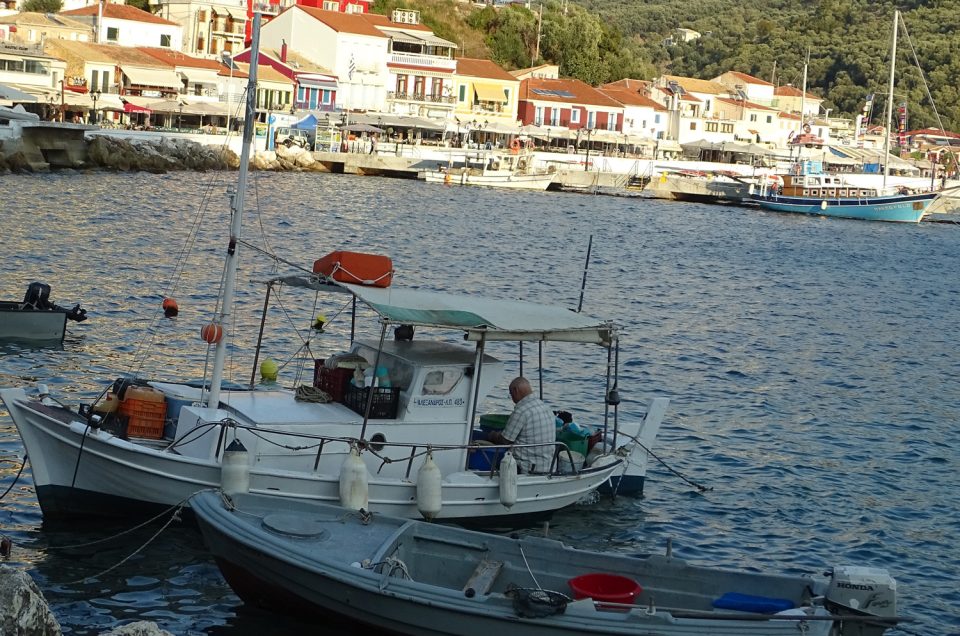
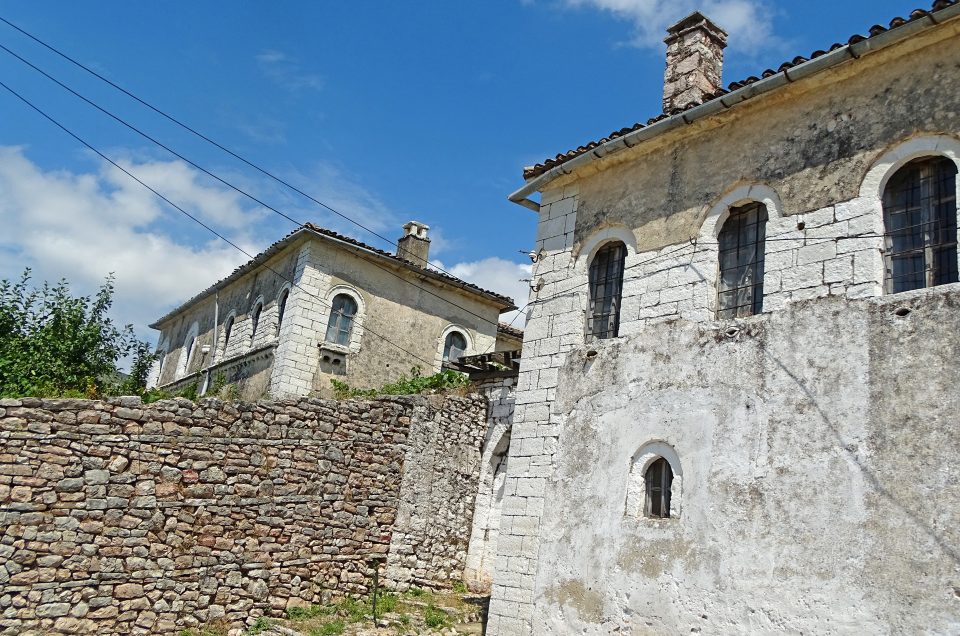
While the region may not have the same level of infrastructure as major tourist destinations like Athens or Santorini, it can be accessed via local transport options. Car rental is recommended for those wishing to explore the surrounding areas and hidden gems.
There has been a growing emphasis on sustainable tourism in Çameria, with initiatives aimed at preserving the natural environment and promoting local culture. Travelers are encouraged to engage with the community and participate in eco-friendly practices.
The Çameria Region in Greece is a hidden gem that offers visitors a chance to experience the beauty and charm of authentic Cham and Greek life. With its rich cultural heritage, stunning landscapes, and opportunities for adventure, it is an excellent destination for those looking to escape the crowds and explore a more traditional side of Greece. Whether you’re interested in history, nature, or culinary experiences, Çameria has something to offer everyone.
Çameria is a region known for its rich cultural heritage, natural beauty, and historical significance. While it may not be as widely recognized as other Greek destinations, it has unique attractions worth exploring. Here are some must-see highlights of Çameria
Hiking and Nature: The Pindus Mountains offer spectacular views, hiking trails, and opportunities for outdoor activities amidst breathtaking natural scenery.
Traditional Stone Villages: Explore the picturesque villages of Zagori, such as Metsovo and Kepmeri, well-known for their traditional stone architecture, historic bridges, and stunning views.
River Gorge: Known for its crystal-clear waters, the Voidomatis River is perfect for kayaking, rafting, and enjoying serene walks along its banks. The surrounding landscapes are ideal for photography and picnics.
Charming Settlements: These villages are famous for their stone houses and breathtaking views of the Vikos Gorge, one of the deepest gorges in the world.
UNESCO Biosphere Reserve: Hike through Vikos Gorge for dramatic scenery, rich flora and fauna, and a chance to experience some of Greece’s most stunning landscapes. The trails vary from easy walks to more demanding hikes.
Historic Town: Visit this town known for its traditional architecture and proximity to the Aoos River. The Konitsa Bridge is a highlight for its historical and architectural significance.
Historical Significance: Located in the region, this monastery is a serene place filled with history and beautiful frescoes, making it a cultural and spiritual site worth visiting.
Traditional Village: A quaint village known for its traditional architecture and well-preserved mansions, offering several old stone bridges and scenic pathways.
Architectural Marvels: Explore the incredible stone bridges of the region, such as the Kokoros Bridge and the Plaka Bridge, which exemplify the architectural ingenuity and history of the area.
Culinary Experiences: Don’t miss the opportunity to taste local delicacies, including meats, cheeses, and traditional pies (such as boureki, Albanian burek) in local taverns and restaurants.
Follow us on:
Share this website:
Copyright ACC 2026