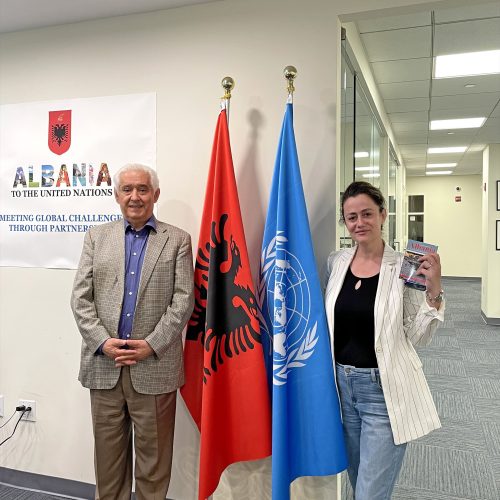
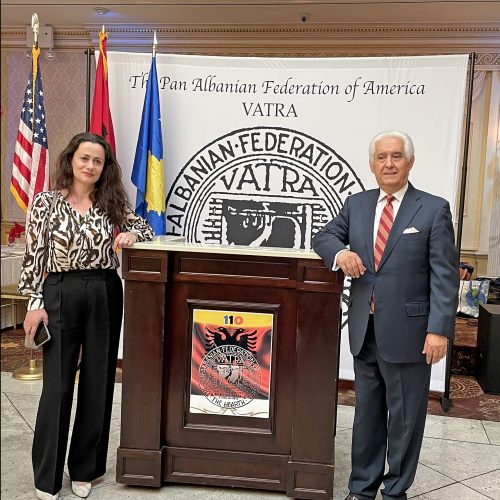
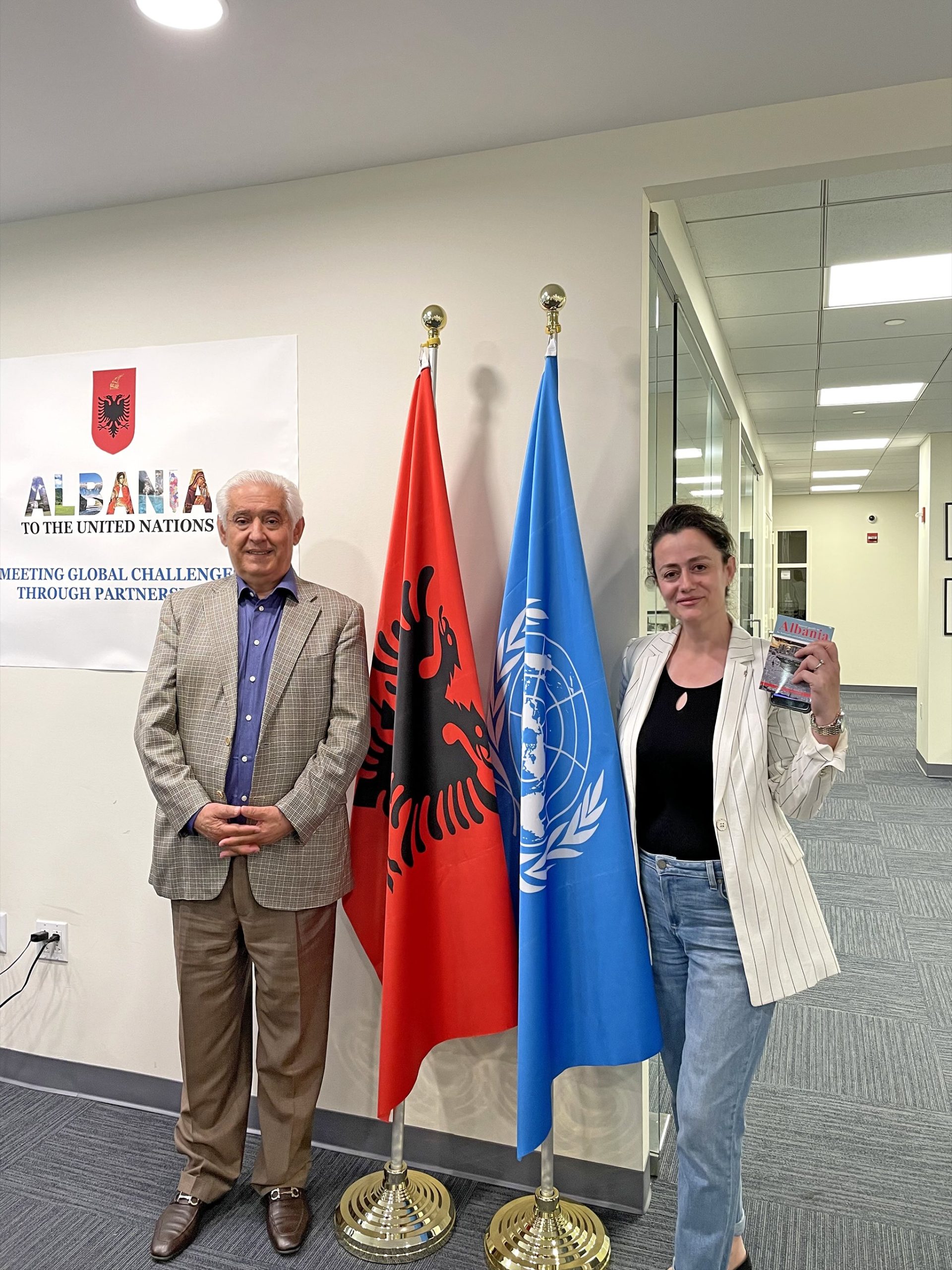
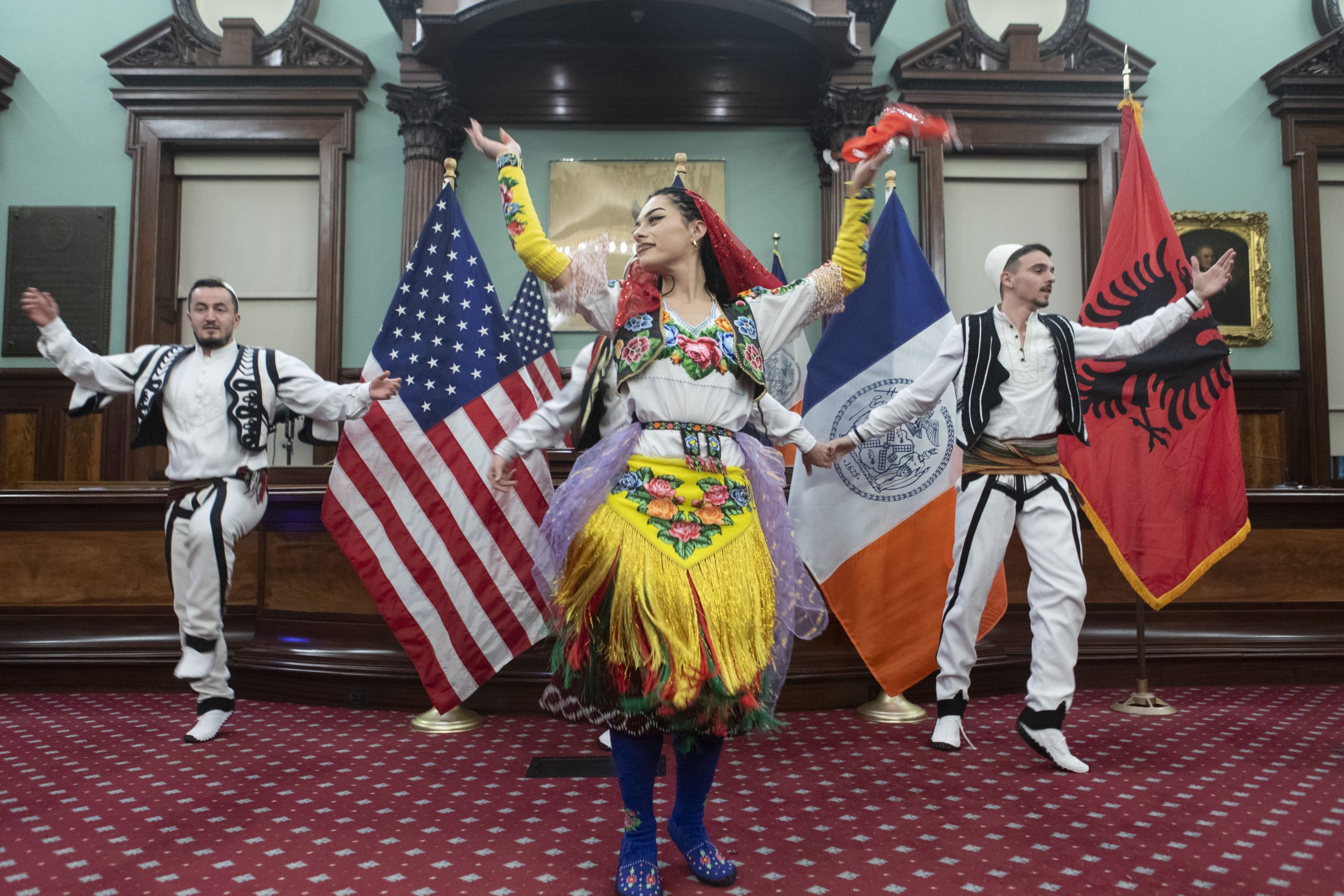
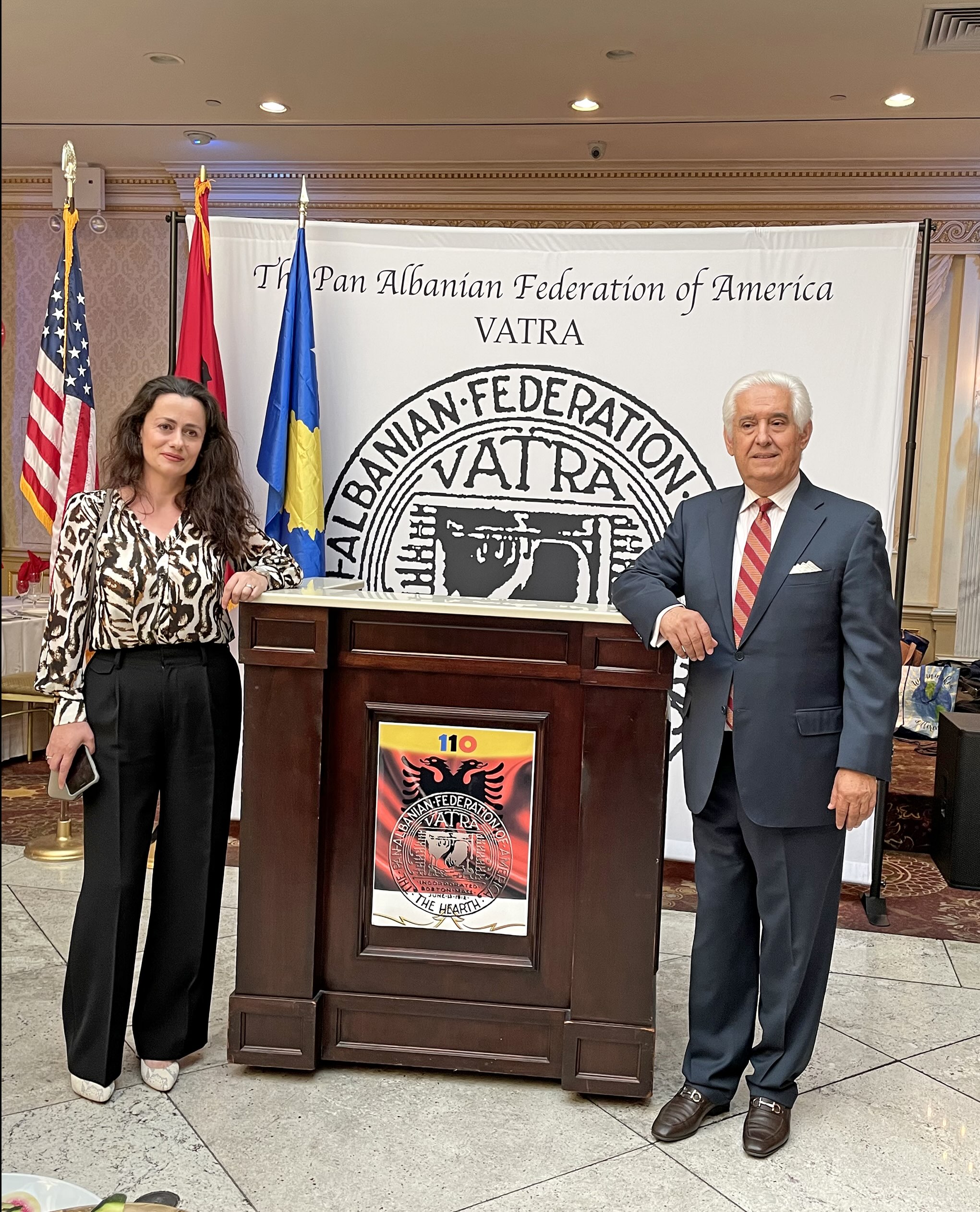
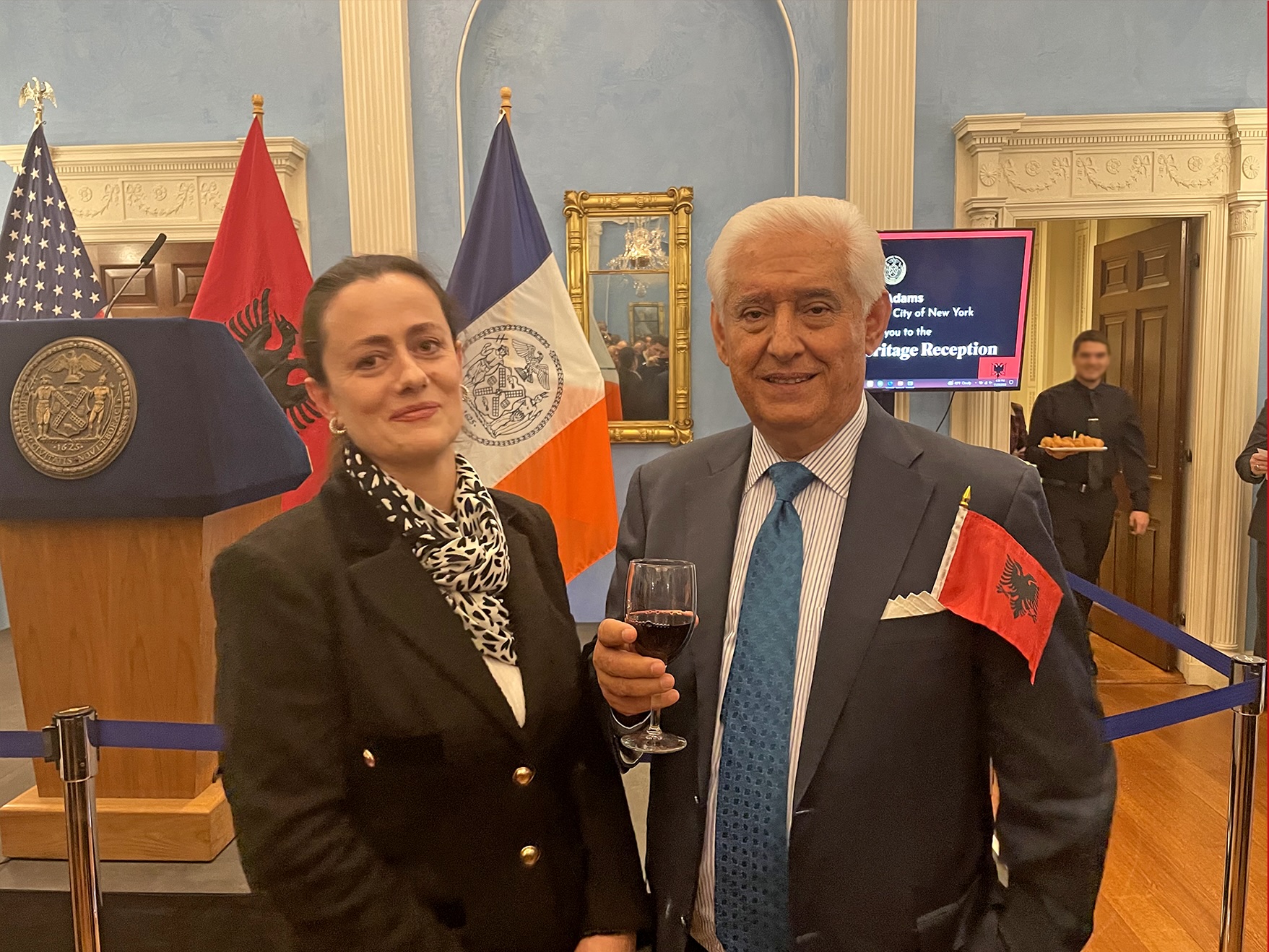
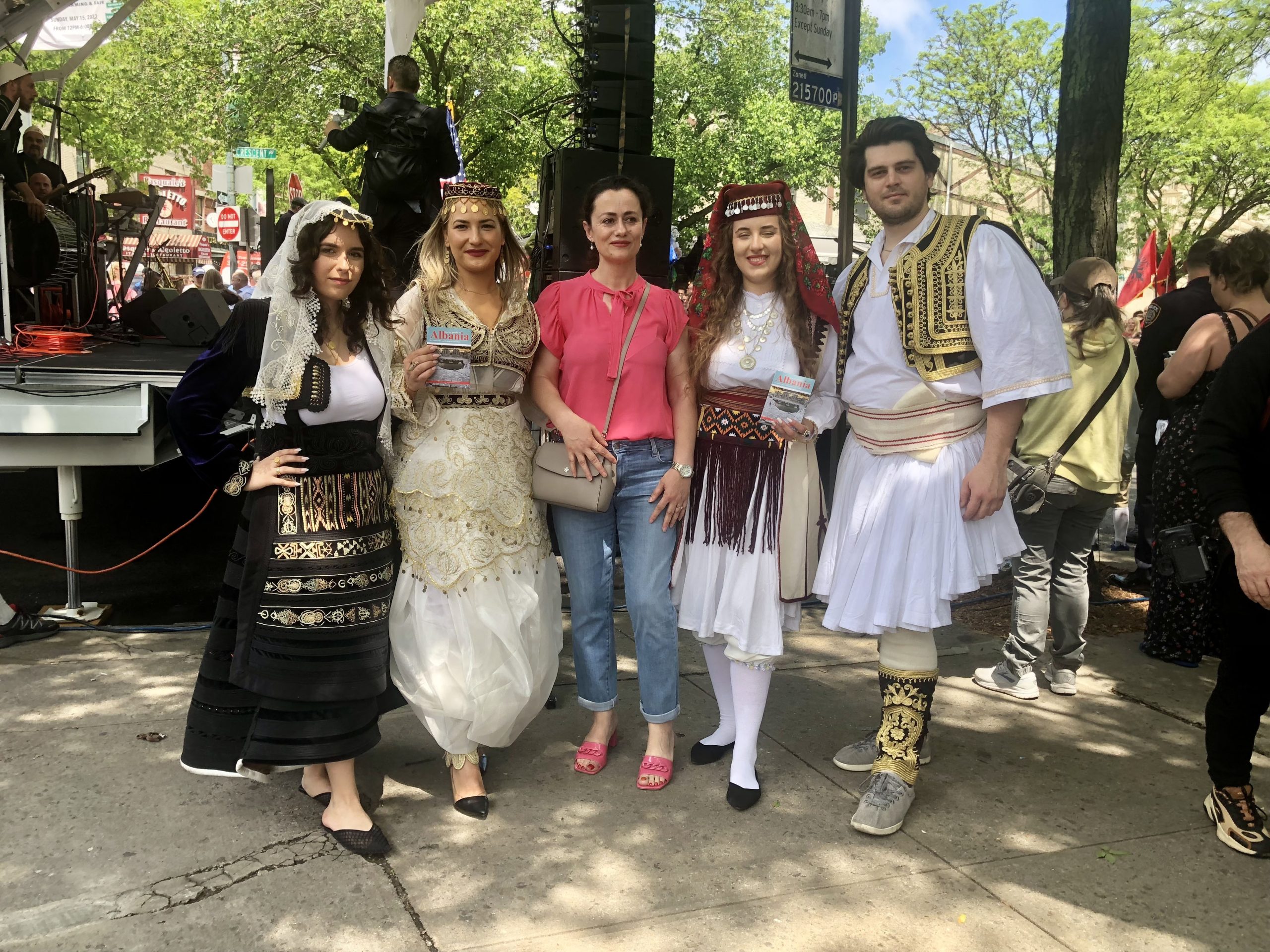
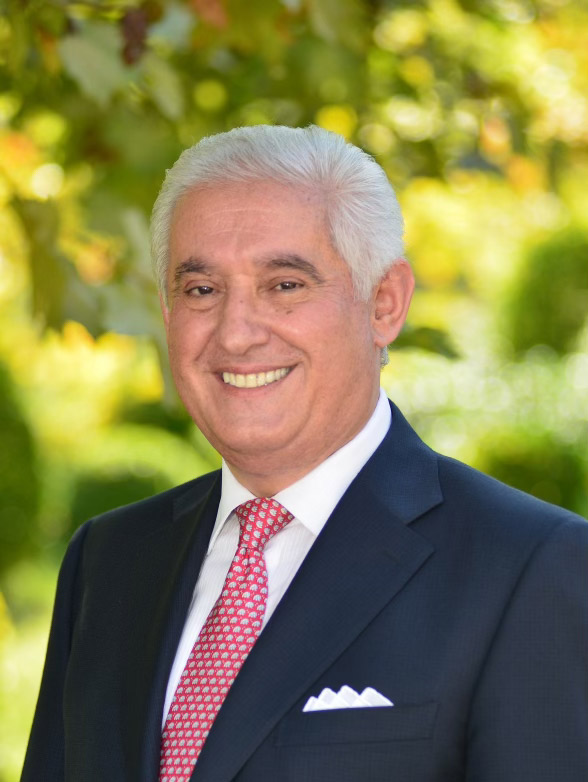
Originating in New York in 1994, the Albanian American Cultural Foundation is committed to fostering educational and cultural ties between the United States and Albania, as well as Albanian communities in neighboring nations. Meanwhile, Aferdita has been producing Albanian Tourist Guides, Albanian Tourism Magazines, and other relevant publications since 2005.
Through our collaborative efforts, our overarching objective is to help introduce Albania and its people to the global stage, enticing international visitors to explore Albanian territories and experience firsthand the captivating history of Albanian civilization and their ancient Illyrian ancestors.
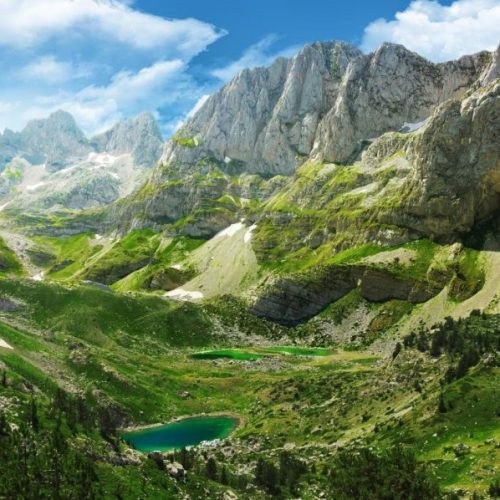
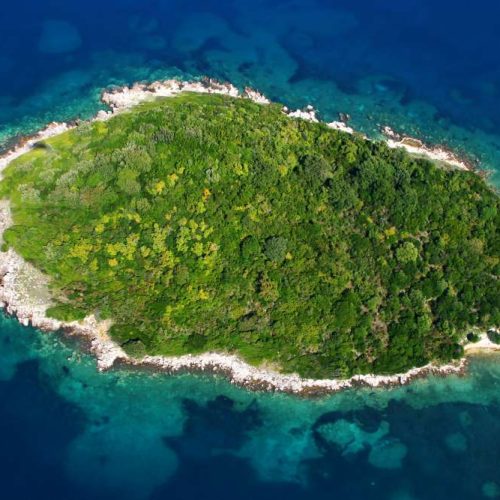
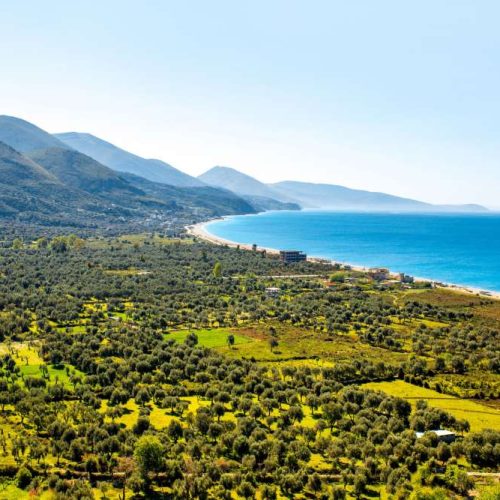
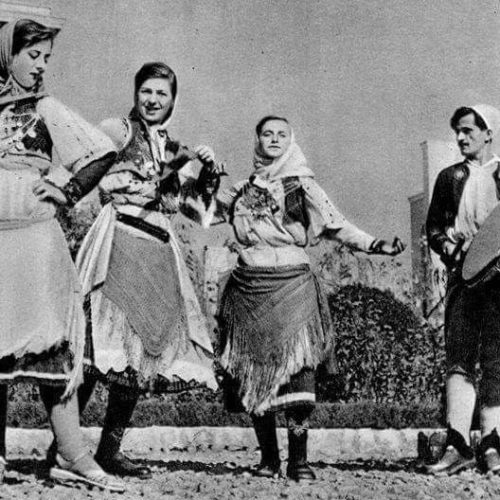
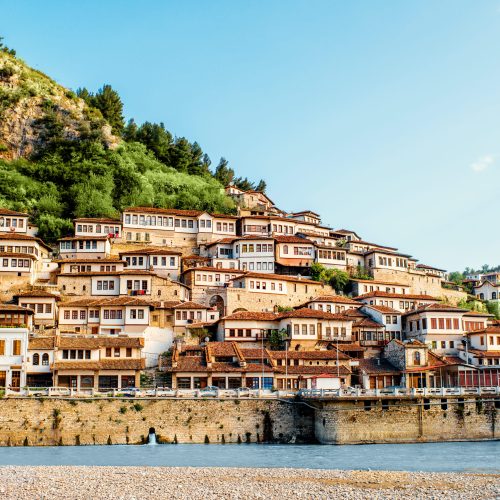
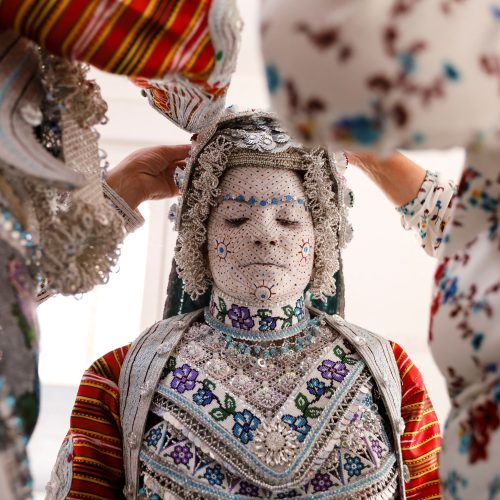
From their rich culture and traditions to the mesmerizing landscapes and picturesque coastline, we extend our invitation to travelers to embark on a journey to uncover Albania’s treasures – from ancient archaeological sites to vibrant modern urban centers, pristine beaches next crystal-clear waters, and the majestic Albanian Alps up north. Offering a unique blend of Continental allure, Mediterranean climate, warm hospitality, and diverse culinary experiences, Albania surfaced as a premier destination highly recommended for global explorers.
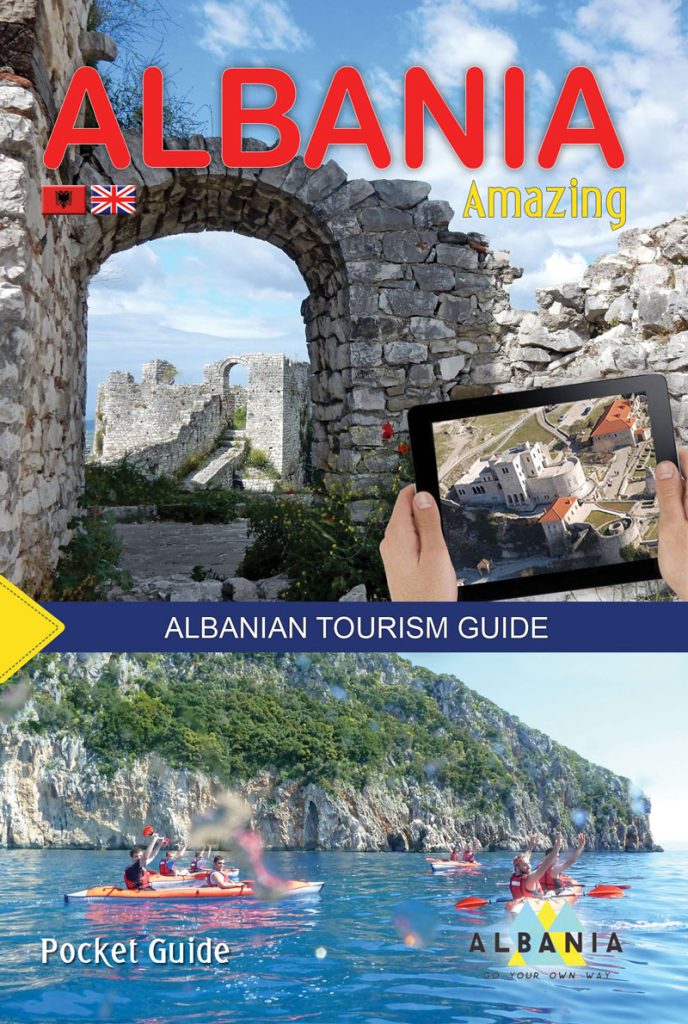
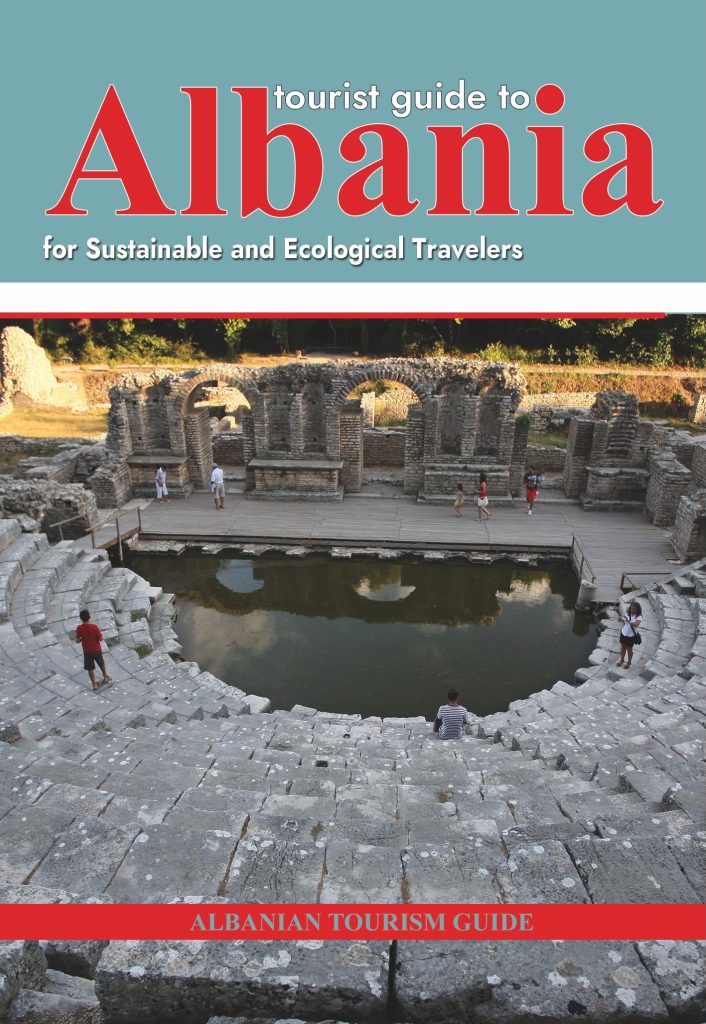

Item content. This is where we should put some more information about this publication.
Item content. This is where we should put some more information about this publication.
Item content. This is where we should put some more information about this publication.
Item content. This is where we should put some more information about this publication.
Our travel guides are enriched with firsthand experiences interwoven with detailed insights into the history, geography, climate, cultural heritage, and culinary delights of the region. Written in-house, our guides stand out for offering comprehensive yet succinct information about each featured destination, highlighting key landmarks, accommodations, recreational activities, cultural experiences, and dining options, including proposing itineraries based on time availability. While we constantly strive to deliver superior consumer travel products focused on Albania, we remain open to feedback and welcome your contributions to help us continually enhance our offerings.



MDY, CPA



Albania, a region steeped in ancient history, is among the earliest inhabited areas of Europe. The Albanian people, known as shqiptarë or the “sons of eagles,” trace their lineage back to the ancient Illyrians, an Indo-European group.
The earliest documented mentions of the Illyrians can be found in writings from the 6th century BC by the Greek scholar Hecataeus of Miletus and from the 5th century BC by the renowned historian and geographer Herodotus. Believed to be descendants of the Pelasgians, the native inhabitants of the Aegean Sea, the Illyrians inhabited the region known as Arbër during the 2nd century BC.
Situated strategically along the Adriatic and Ionian Seas, the land of the Illyrians has historically attracted the interest of various nations and empires seeking territorial expansion. In the 2nd century BC, the Romans conquered the Illyrians, followed by Byzantine rule that lasted until the late 4th century CE. Over time, Albanian territories saw the influx of Celts, Huns, Bulgarians, Slavs, and ultimately, the Ottoman Turks.

During the Roman and Byzantine eras, Durrës, located on the Adriatic coast, emerged as the capital of Arbër and a key hub along the Via Egnatia, the vital trade route connecting Rome and Constantinople. The medieval period, spanning from the 12th to the 14th century, marked the first Albanian epoch characterized by flourishing trade, craftsmanship, and the formation of several Albanian principalities.
When the Ottoman Turks conquered Albanian lands in the 14th century, the Albanian people resisted the invaders under the leadership of Gjergj Kastrioti Skënderbeu (Skanderbeg) (1405–1465). Skanderbeg successfully broke the Ottoman occupation in the Balkans and was hailed as the savior of Christianity in Europe, earning the title of the “Knight of Christ” from the Pope. Despite Skanderbeg’s efforts, Albania eventually fell back under Ottoman rule that lasted over 550 years. During this period, many Albanians who remined in the country adopted the Muslim religion and drifted away from Western civilization.
In the late 19th century, there was a resurgence of Albanian identity as Albanians sought to distance themselves from Ottoman influence and reassert their Western connections. However, Western powers did not support Albanian interests, leading to further injustice. The Treaty of San Stefano in 1878 initially assigned Albanian-populated lands to neighboring countries like Greece, Bulgaria, Montenegro, and Serbia, but subsequent negotiations at the Congress of Berlin still redistributed a significant portion of Albanian territory to Serbia, Montenegro, and Greece.
In response to these injustices, the Albanian national movement established the Albanian League of Prizren to push back against the provisions of the Treaty of Berlin and called for an uprising to protect Albanian lands. This movement culminated in the declaration of Albania as an independent state on November 28, 1912, with Prime Minister Ismail Bej Qemali leading a provisional government.
In 1914, German Prince Wilhelm of Wied was briefly appointed as the head of the Albanian state by the International Control Commission, but his rule was short-lived due to the outbreak of World War I. During the war, Albania faced occupation by neighboring countries such as Italy, Serbia, and Greece, as well as French forces controlling significant portions of the region. In January of 1920, at the Congress of Lushnja, the designation of Tirana as the country's capital was announced. Subsequently, in September 1922, Ahmed Zogu assumed the role of prime minister. However, he soon faced significant opposition. By July 1924, a rebellion supported by peasants took control, resulting in Fan S. Noli becoming prime minister and Zogu fleeing to Yugoslavia. In December of that year, with the backing of the Yugoslav army, Zogu (later declaring himself king) returned to power, gradually diminishing parliamentary democracy, leading Noli to seek refuge in Italy. In April 1939, Albania was invaded by Mussolini’s troops, prompting King Zog's flight to Greece. The Albanian parliament then voted to merge the country with Italy, and King Emmanuel III of Italy assumed the throne.
The transition of Albania to communism was unexpected since there was no existing communist presence in the country. Remarkably, in 1940, Albania was the only European nation without a communist party. The establishment of the Albanian Communist Party in 1941 was initiated by Yugoslav Communist Party representatives, acting on behalf of the Soviet Comintern. The Comintern served as a Soviet instrument of control over the global communist movement and intervened to introduce communism in Albania during the Italian and Nazi occupations.
Yugoslav communists played a vital role in organizing and uniting local leftist factions to form the nascent party, which initially focused on resisting Fascist and later Nazi rule. This communist resistance, in collaboration with nationalist groups, sought to create a more just society after the occupation. This vision appealed to many as it aligned with the aspiration for a new Albanian state, especially since King Zog had relinquished his throne.
However, a surprising turn of events occurred when Western observers, who had initially supported nationalist factions against the Nazi occupation, shifted their allegiance to the communists due to their superior organization. This unexpected change influenced the post-war period, leading Albania to swiftly transition from independence to communism. Allegations emerged that Western powers backed the communists for political motives, believed to be tied to a geopolitical arrangement that aimed to secure Greece's allegiance to the West by aligning Albania with the Eastern Bloc.
The intricate dynamics of Greece's civil war from 1946 to 1949 highlighted the volatile political environment in the region, indicating Western interventions and strategic partnerships influenced Albania's communist alignment. This geopolitical maneuvering left many Albanians feeling betrayed by the West.
Following World War II, Albania came under Communist rule led by Enver Hoxha until his passing in 1985. His chosen successor, Ramiz Alia, continued the Communist regime until 1998 when Albania's Central Committee approved the introduction of a multiparty system; the Democratic Party emerged as the primary opposition. The Democratic Party's triumph in the March/April 1992 elections over the Socialist Party led to the election of Sali Berisha, the Democratic Party leader, as president. In 2009, Albania became a full member of the NATO Alliance. With Prime Minister Edi Rama assuming leadership in 2013, his "Renaissance" agenda emphasized European integration, economic rejuvenation, public order restoration, and the democratization of state institutions. In June 2014, Albania was granted candidate status for EU membership. Despite Albania’s tremendous progress in post-communist era, the country is still struggling with corruption, rule of law and building strong democratic institutions.
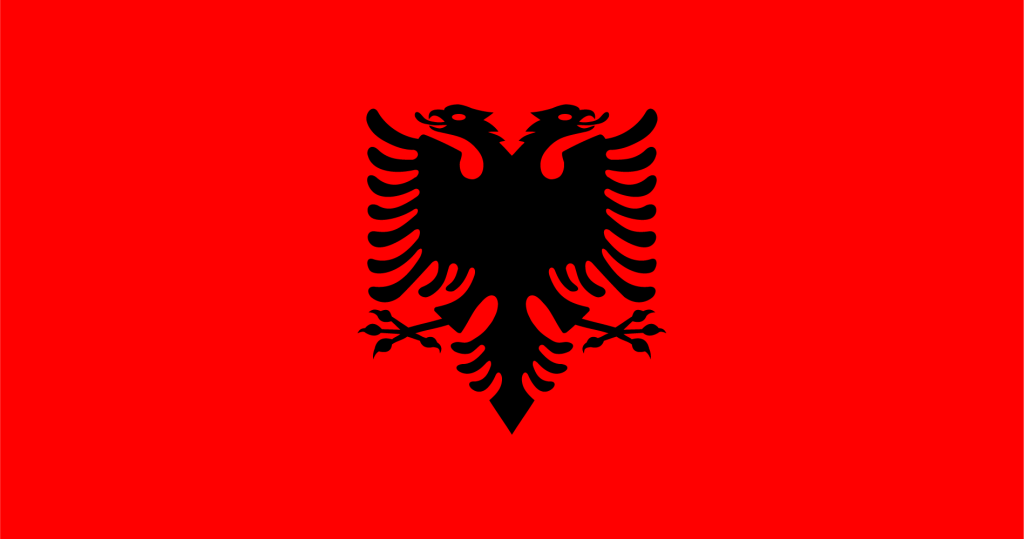

The first documented Albanian arrival in America is believed to be from Korça, a city in southern Albania, who arrived in the US in 1876.
First arival
The initial significant waves of Albanian migration to the US occurred during periods of political unrest, particularly in 1904-1905 and 1909-1912
Initial waves
Subsequent surges in immigration followed the Italian occupation of Albania in 1939, escalating further following the Communist rise to power after World War II in 1945
Subsequent surges
A notable influx of Kosovar immigrants entered the US during 1989-1999 due to ethnic cleansing and genocide inflicted by the Serbian military.
influx of Kosovar immigrants
The first documented Albanian arrival in America is believed to be from Korça, a city in southern Albania, who arrived in the US in 1876. Albanian immigrants in the US can generally be categorized into two groups: economic migrants seeking improved financial opportunities and political refugees compelled to leave Albania or their homelands in neighboring countries due to political persecution.
The initial significant waves of Albanian migration to the US occurred during periods of political unrest, particularly in 1904-1905 and 1909-1912, coinciding with events such as territorial disputes and Albania’s struggle for independence and Greek genocide of its Albanian Cham population. Subsequent surges in immigration followed the Italian occupation of Albania in 1939, escalating further following the Communist rise to power after World War II in 1945.
Because of restrictions on emigration imposed by the Communist regime in Albania, most ethnic Albanian immigrants in the US originated from Albanians living neighboring countries, particularly the former Yugoslav states (Montenegro, Macedonia, Kosovo, Serbia)
A notable influx of Kosovar immigrants entered the US during 1989-1999 due to ethnic cleansing and genocide inflicted by the Serbian military. Throughout this time, many Albanians arrived in the US with foreign passports issued by the occupying countries at that time, making it challenging to estimate the exact number of Albanian nationals who immigrated to the US, but it is believed to exceed half a million. A reasonable estimate suggests that there are over five million Albanian Americans when considering the generations born in the US.
Follow us on:
Share this website:
Copyright ACC 2026