Albania offers one of Europe’s most authentic food tourism and rural stay experiences, where cuisine, landscape, and tradition are deeply intertwined. Rooted in seasonal farming, local ingredients, and centuries-old recipes, Albanian food culture reflects a way of life shaped by land, climate, and community rather than mass production or commercial trends.
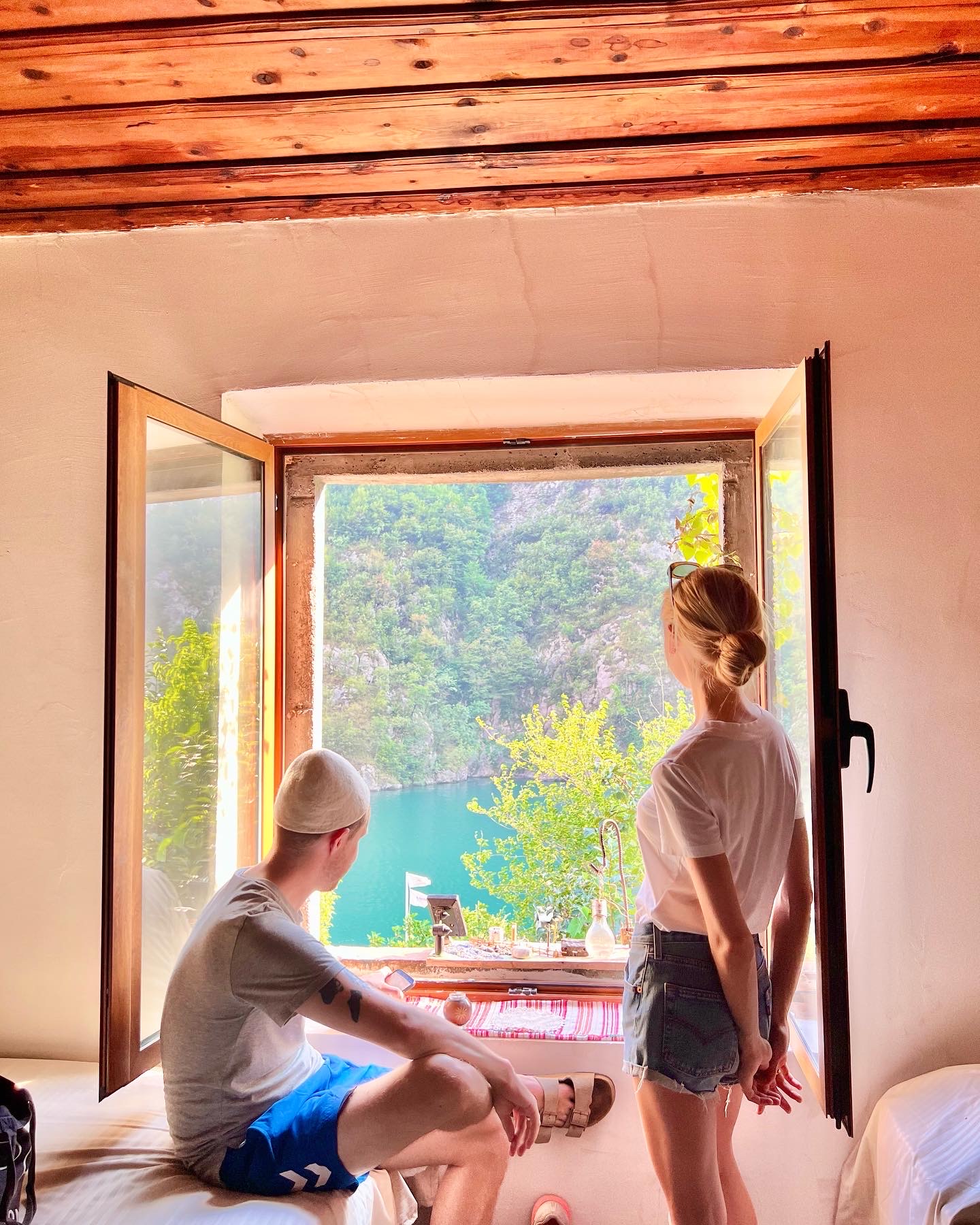
Across the country, rural villages and countryside regions welcome visitors into family-run guesthouses, agritourism farms, and traditional stone homes where hospitality is personal and food is prepared from what is grown, raised, or gathered nearby. Meals are not simply served—they are shared, often prepared slowly and communally, following recipes passed down through generations.
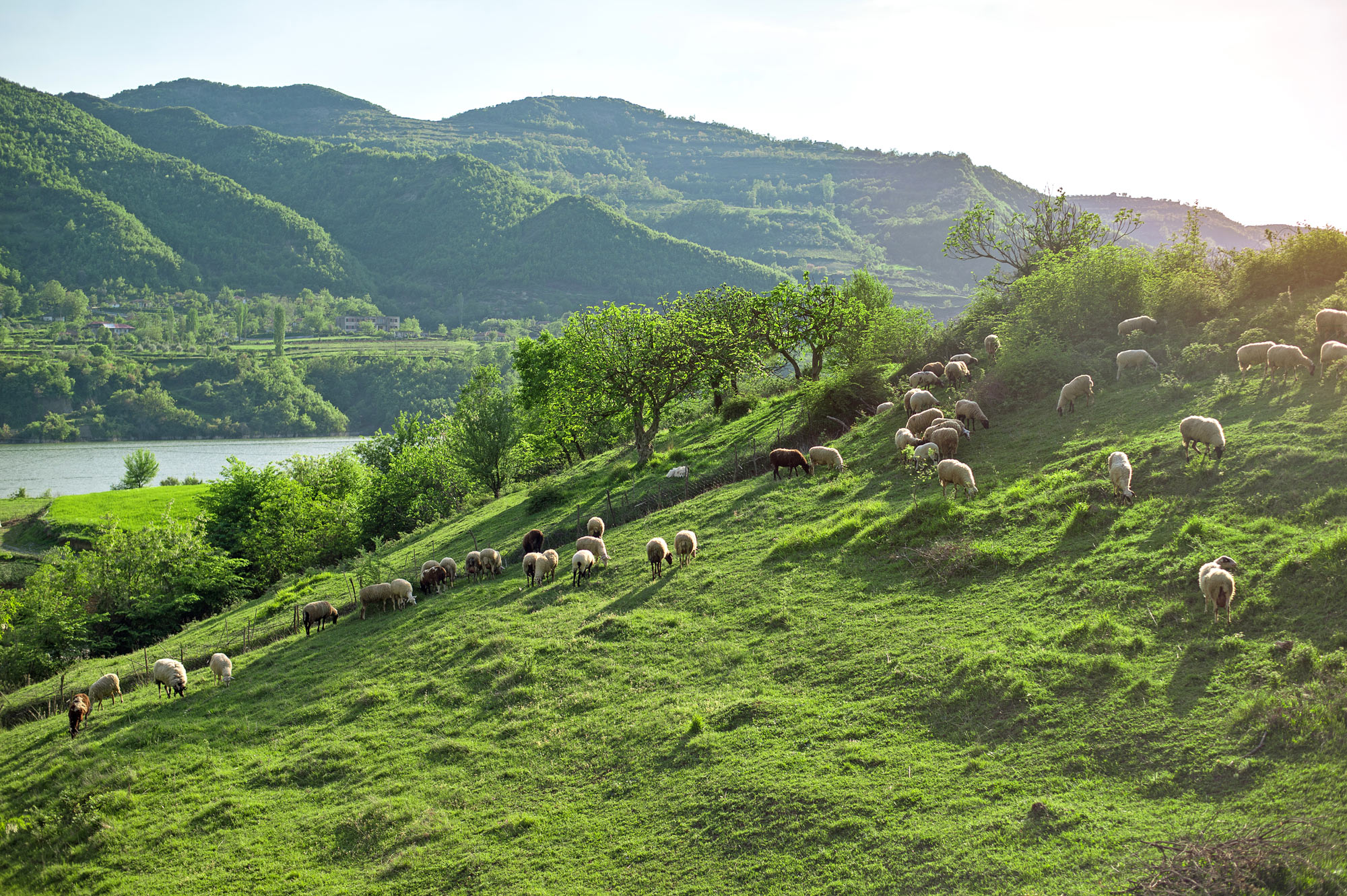
From mountain regions to fertile plains and lake districts, Albania’s rural cuisine varies by landscape. Alpine areas are known for dairy products, homemade bread, slow-cooked meats, and herbal teas, while lowland and lake regions emphasize vegetables, grains, olive oil, freshwater fish, and seasonal fruits. Everywhere, simplicity, freshness, and flavor take precedence.
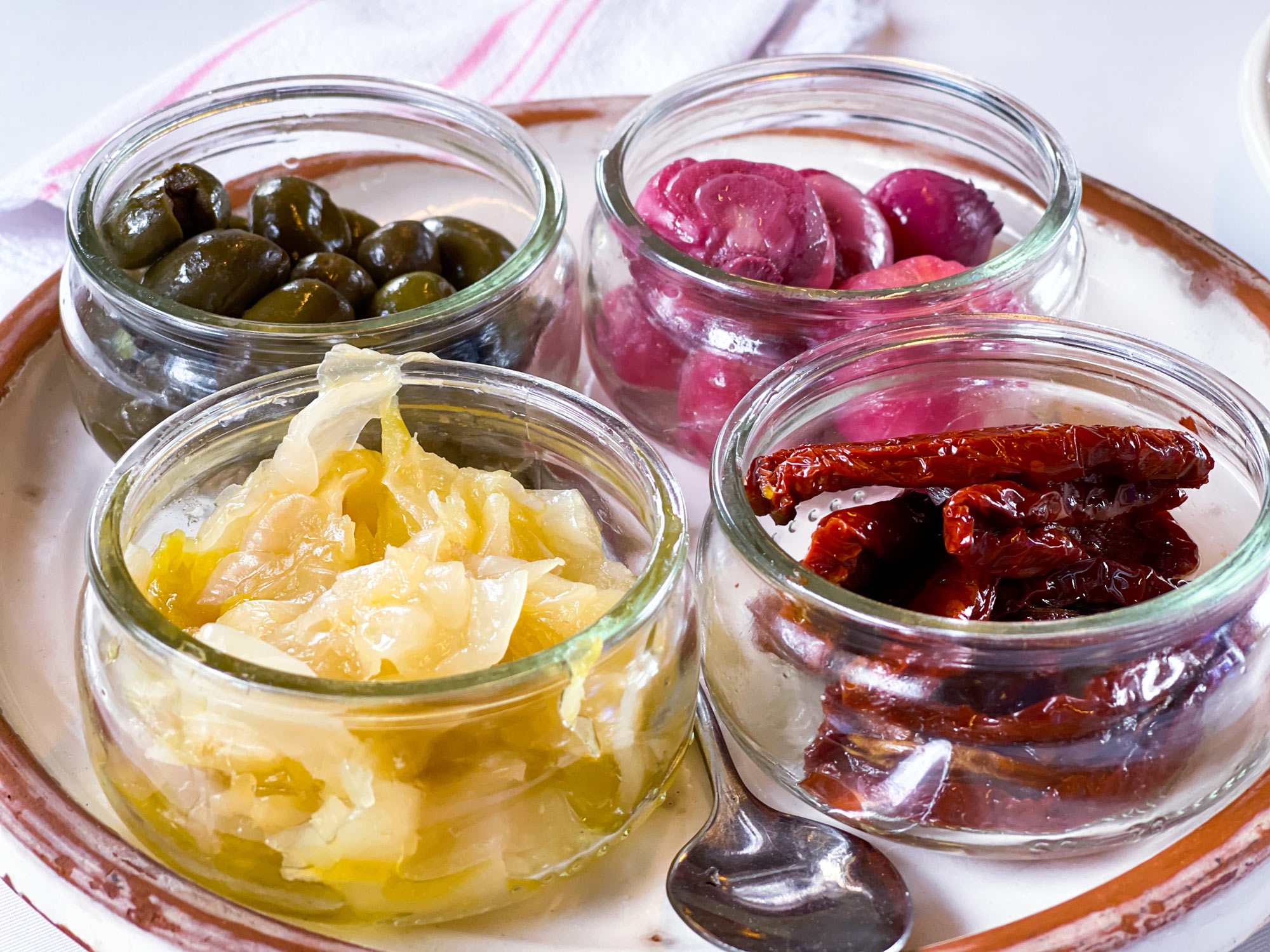
Best for: Traditional Cuisine · Mountain Stays · Homemade Dairy
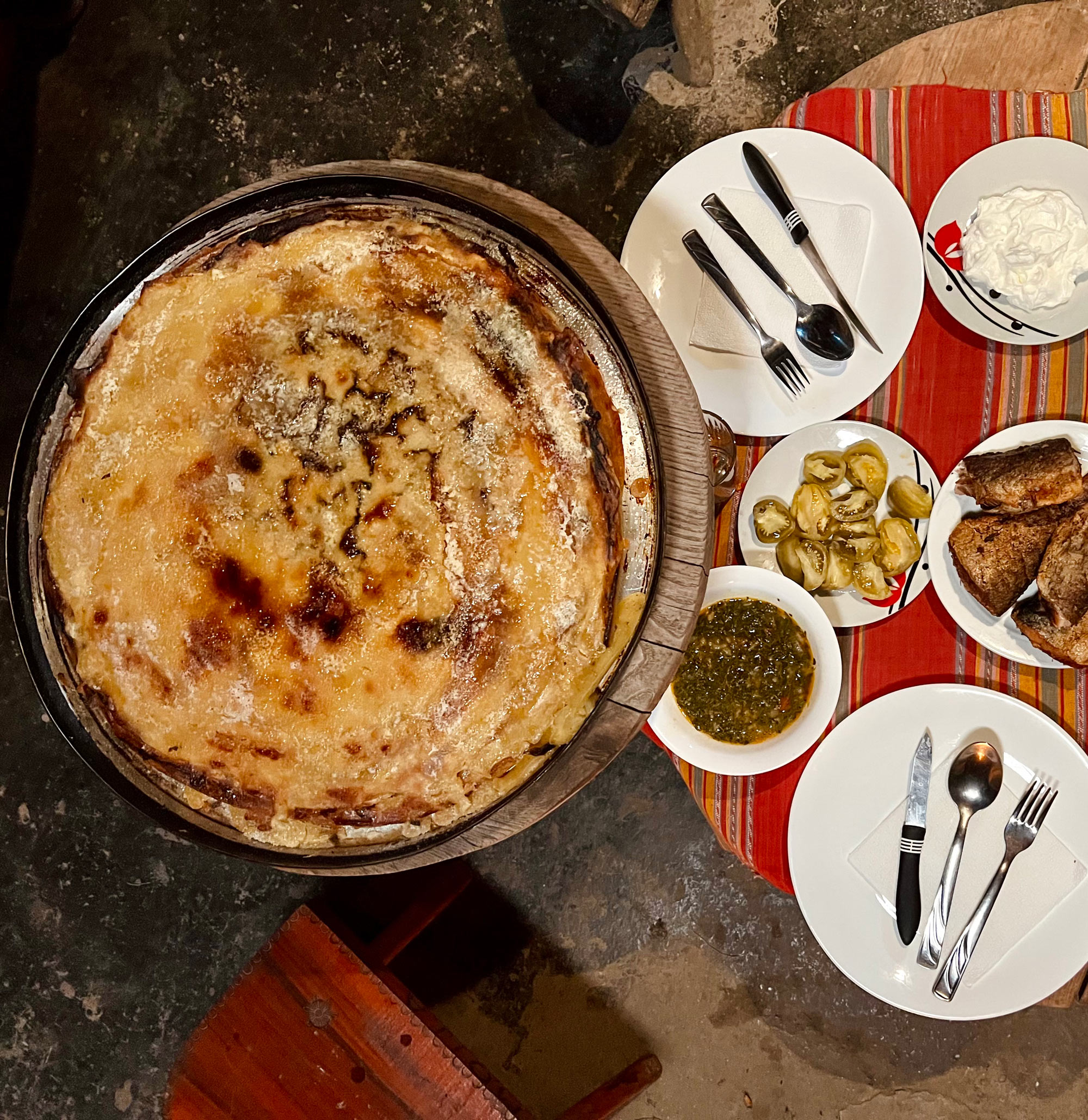
Hearty dishes, mountain cheeses, corn bread, and slow-cooked stews paired with overnight stays in family guesthouses.
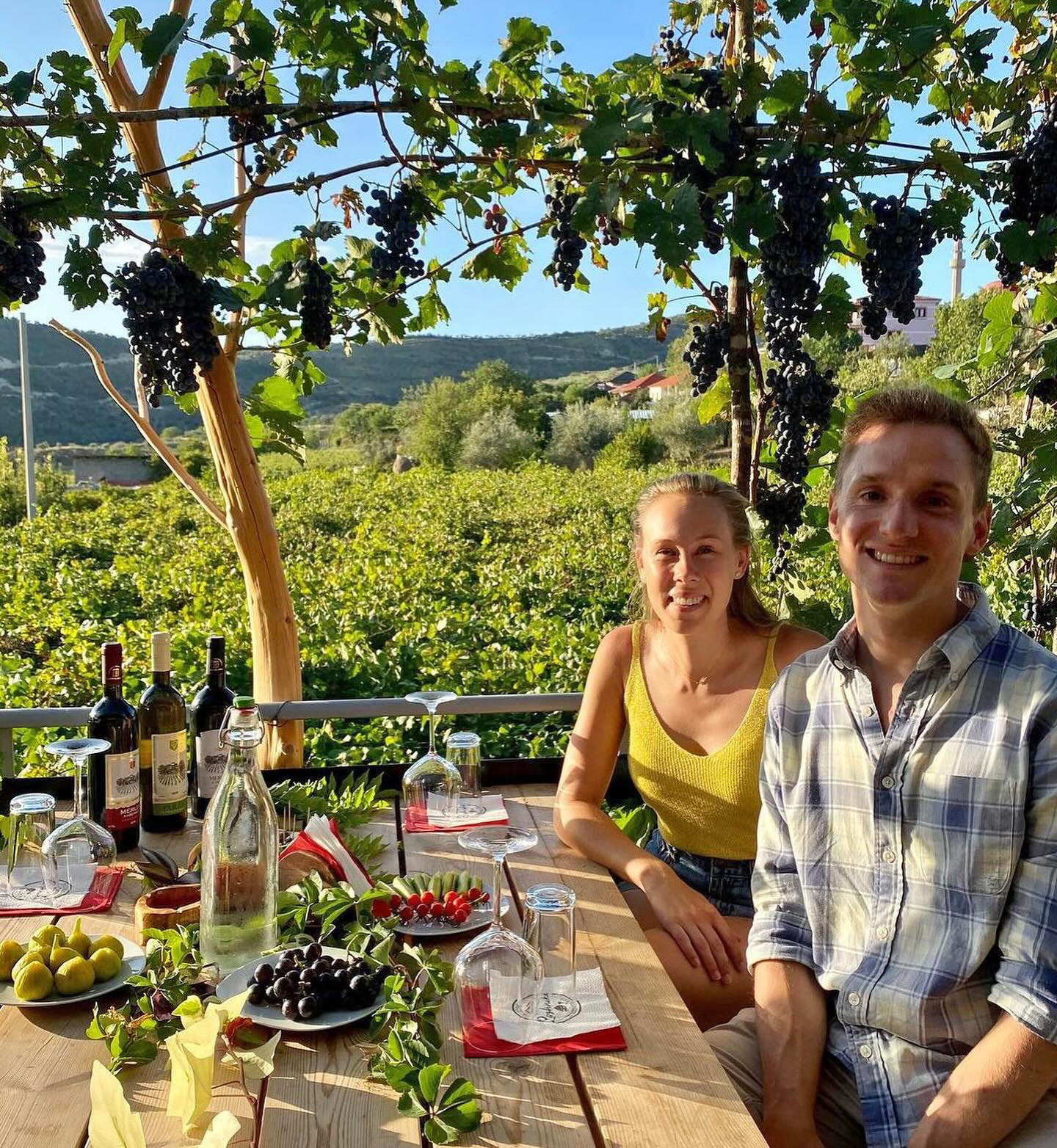
Best for: Farm-to-Table Dining · Vineyards · Olive Groves
Organic farms offering tastings, rural lunches, wine, olive oil, and immersive countryside experiences.
Best for: Freshwater Fish · Seasonal Vegetables · Slow Living
Local fish dishes, beans, peppers, and traditional baking in quiet lakeside villages.
Best for: Olive Oil · Mediterranean Flavors · Village Life
Simple, sun-grown ingredients prepared with minimal processing and strong regional identity.
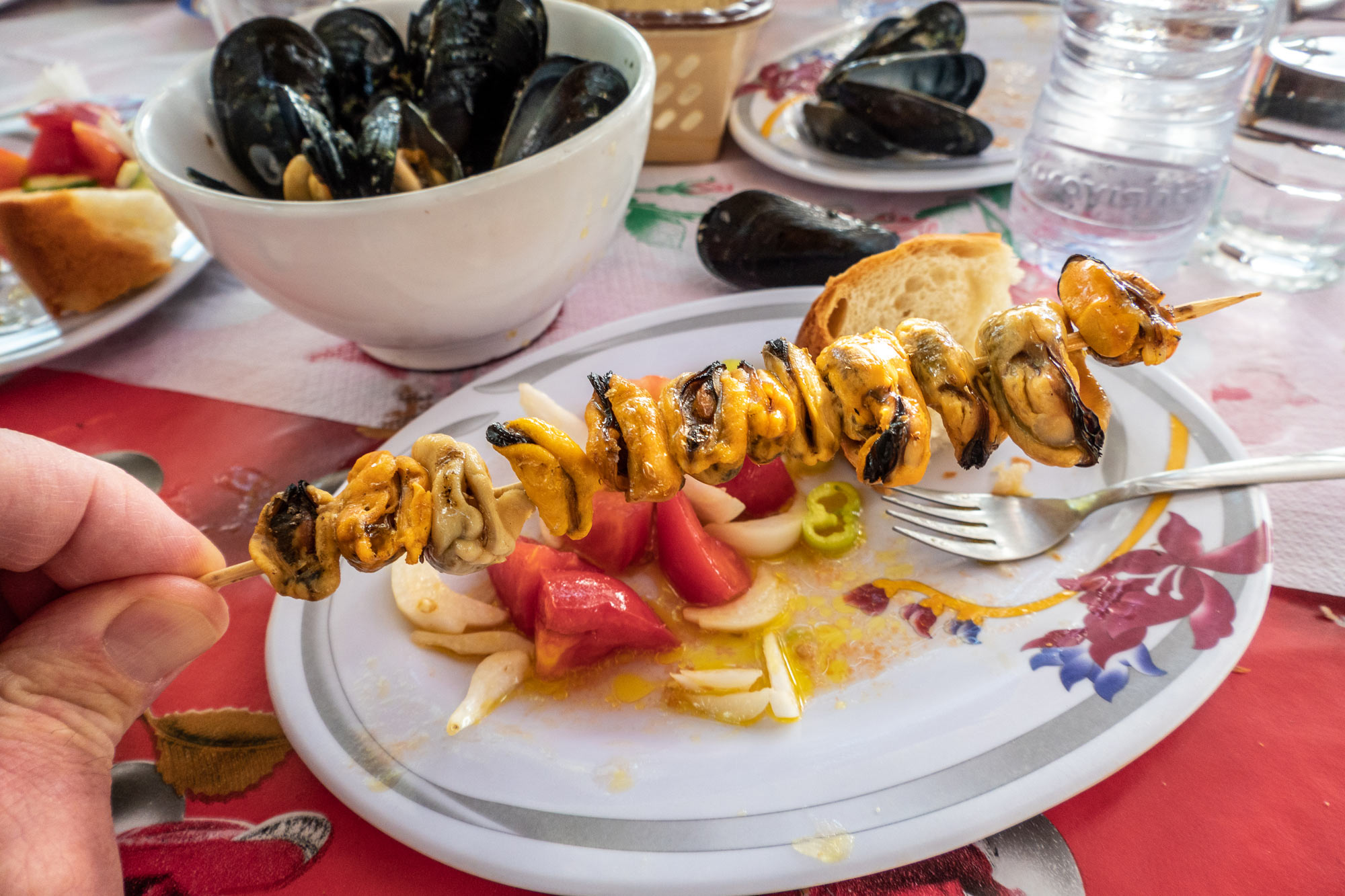
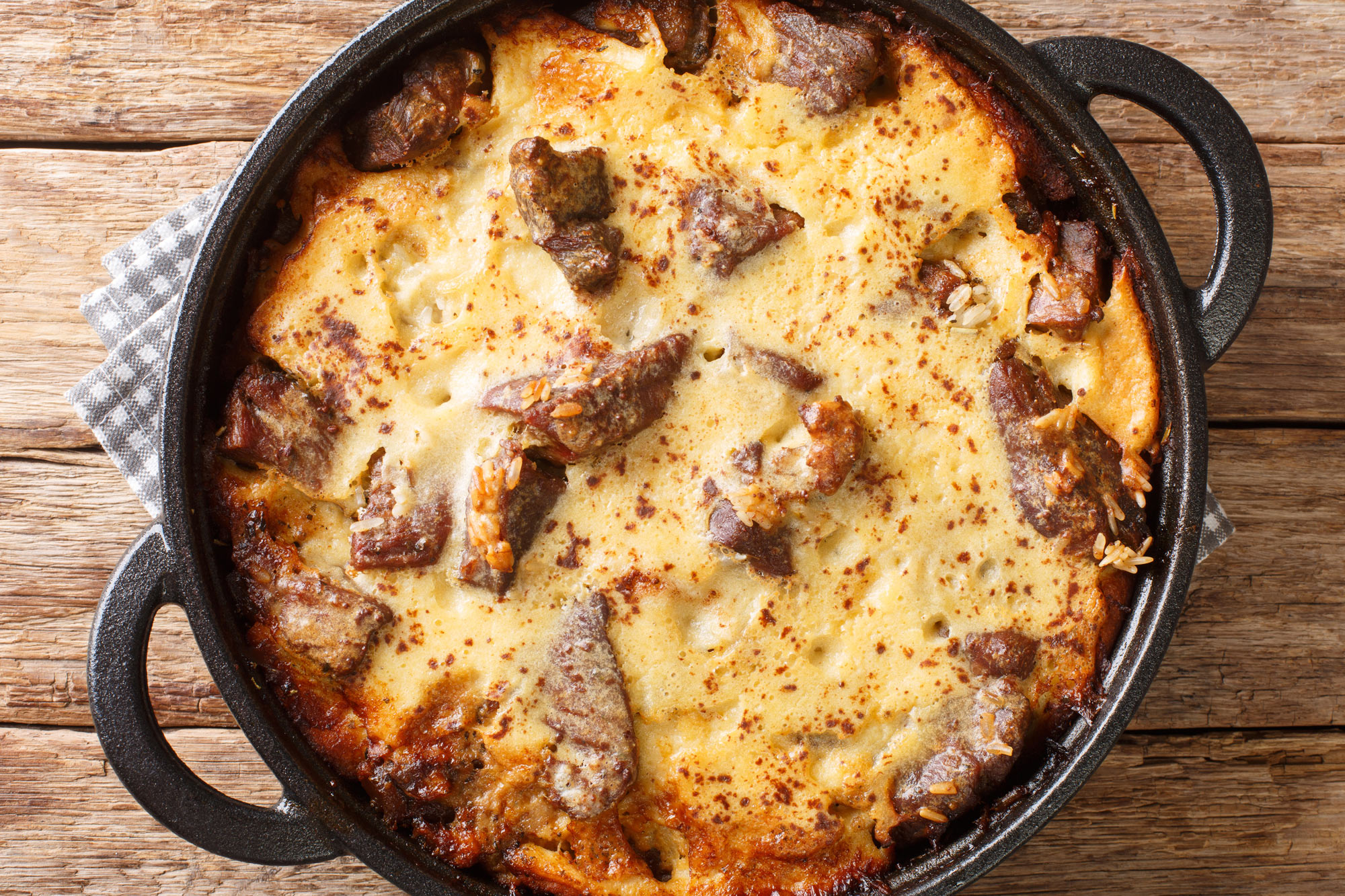
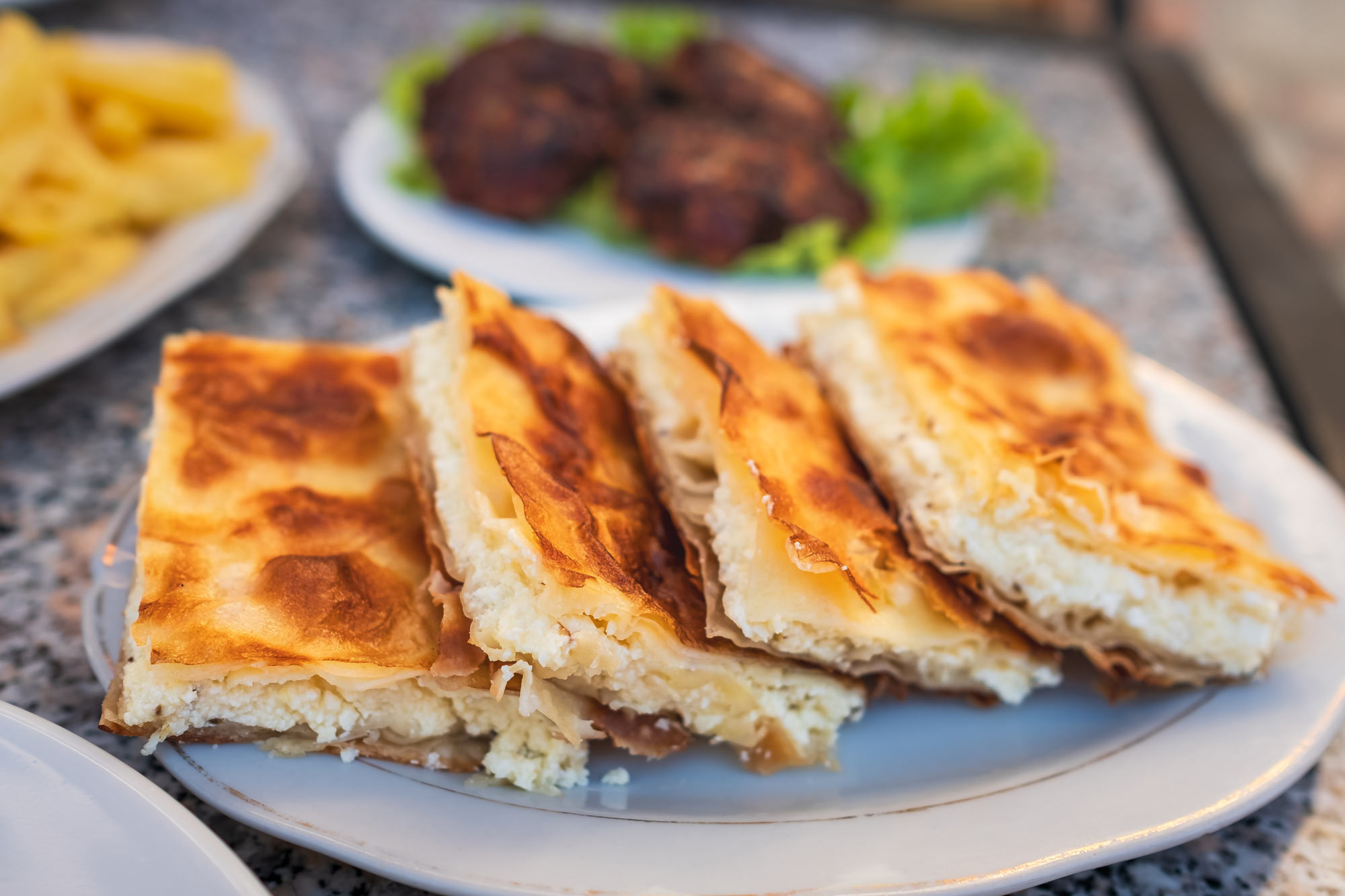
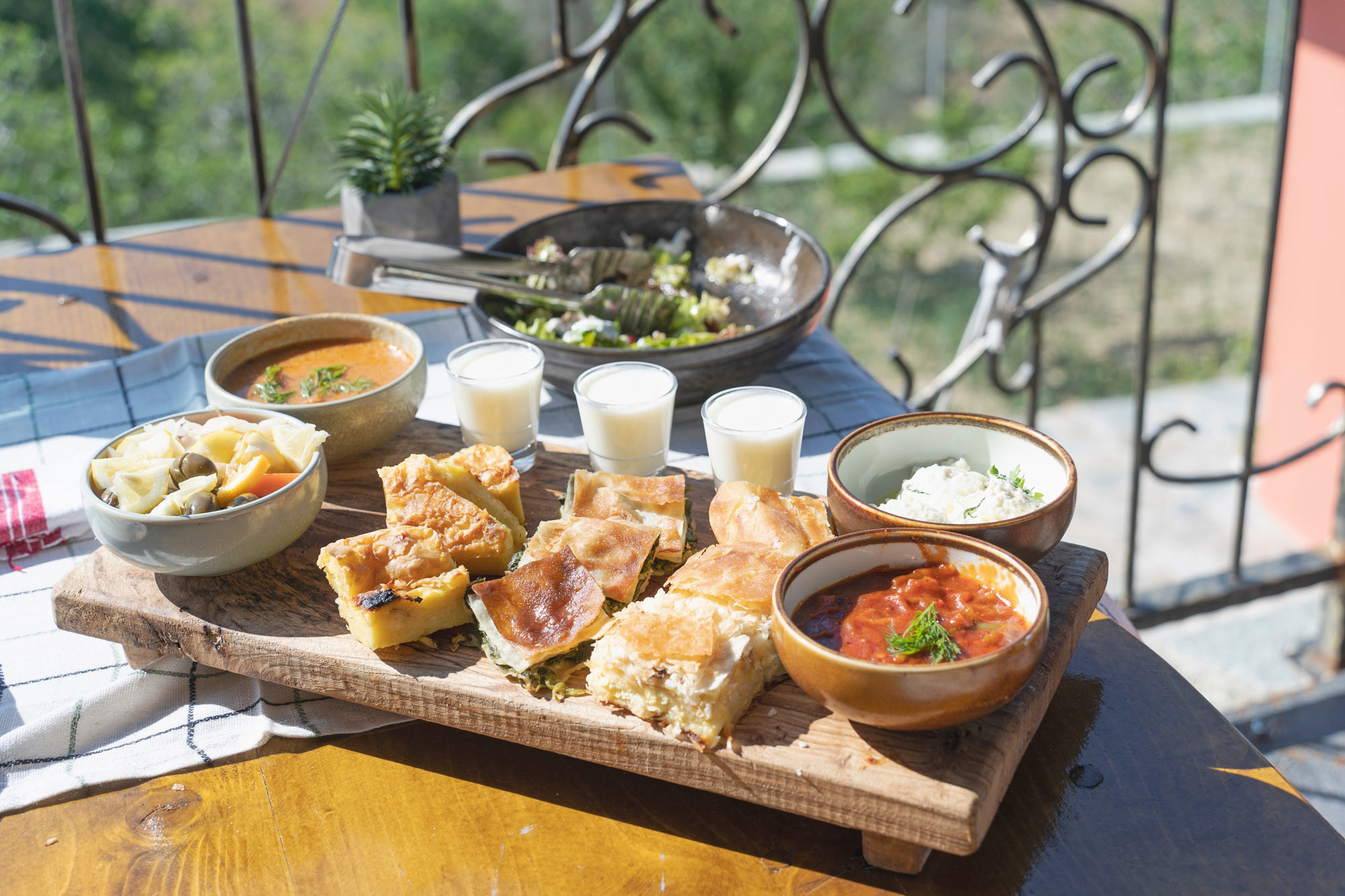
Best for: Traditional Cuisine · Mountain Stays · Homemade Dairy
Hearty dishes, mountain cheeses, corn bread, and slow-cooked stews paired with overnight stays in family guesthouses.
Best for: Farm-to-Table Dining · Vineyards · Olive Groves
Organic farms offering tastings, rural lunches, wine, olive oil, and immersive countryside experiences.
Best for: Freshwater Fish · Seasonal Vegetables · Slow Living
Local fish dishes, beans, peppers, and traditional baking in quiet lakeside villages.
Best for: Olive Oil · Mediterranean Flavors · Village Life
Simple, sun-grown ingredients prepared with minimal processing and strong regional identity.
Albanian food culture and rural life do not end at Albania’s geographical borders. Across neighboring regions where Albanians have lived for centuries—Kosovo, Montenegro, North Macedonia, and parts of northwestern Greece—the same traditions of seasonal cooking, village hospitality, and land-based living continue naturally, shaped by local landscapes and climate.
In these regions, food remains deeply connected to agriculture, livestock, and family life. Visitors encounter village kitchens where bread is still baked daily, dairy products are made by hand, and meals follow the rhythm of the seasons rather than menus. Rural stays here offer an intimate window into a shared cultural space where borders are modern, but traditions are ancient.
Best for: Mountain Cuisine · Farm Stays · Traditional Baking
Hearty dishes, fresh dairy, forest herbs, and slow-cooked meals paired with guesthouses in alpine and rural settings.
Best for: Mediterranean–Rural Fusion · Olive Oil · Coastal Villages
A blend of coastal flavors and inland rural traditions, featuring olive groves, small farms, and family-run stays.
Best for: Pastoral Food · Mountain Villages · Seasonal Living
Village cuisine rooted in livestock farming, homemade cheeses, breads, and preserved foods.
Best for: Traditional Cooking · Quiet Countryside · Heritage Villages
Rural meals prepared with local ingredients, reflecting deep-rooted traditions tied to land and memory.
Stay with local families and experience daily life centered on food, land, and hospitality.
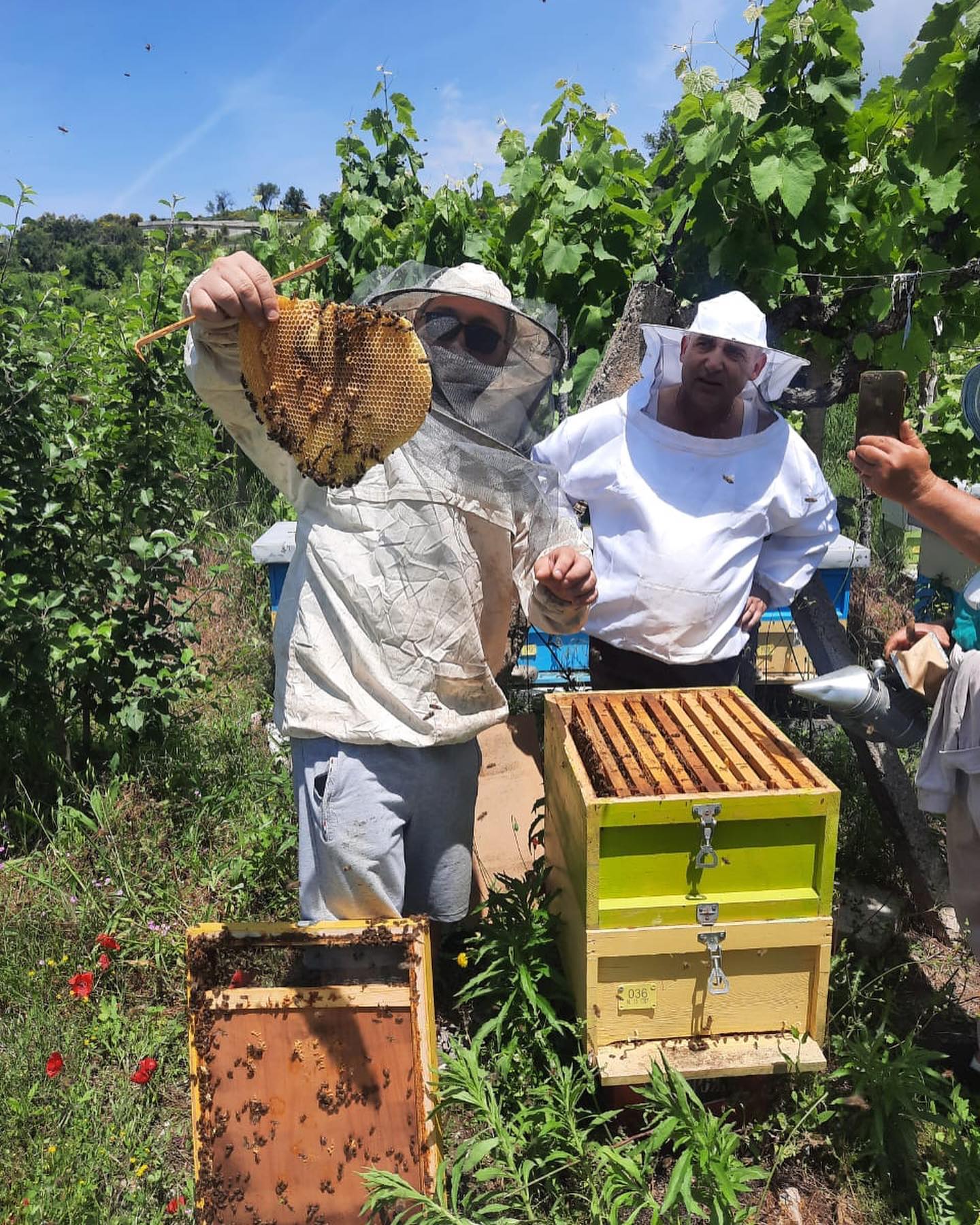
Participate in olive harvesting, grape picking, cheese making, honey collection, and bread baking.
Unhurried days, shared meals, village walks, and oral traditions that connect food to identity.
Similar recipes, ingredients, and cooking methods reveal a cultural continuity that transcends modern boundaries.
Follow us on:
Share this website:
Copyright ACC 2026