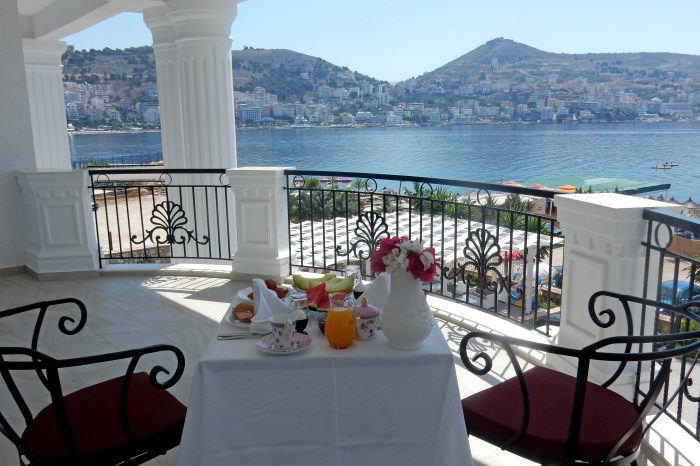
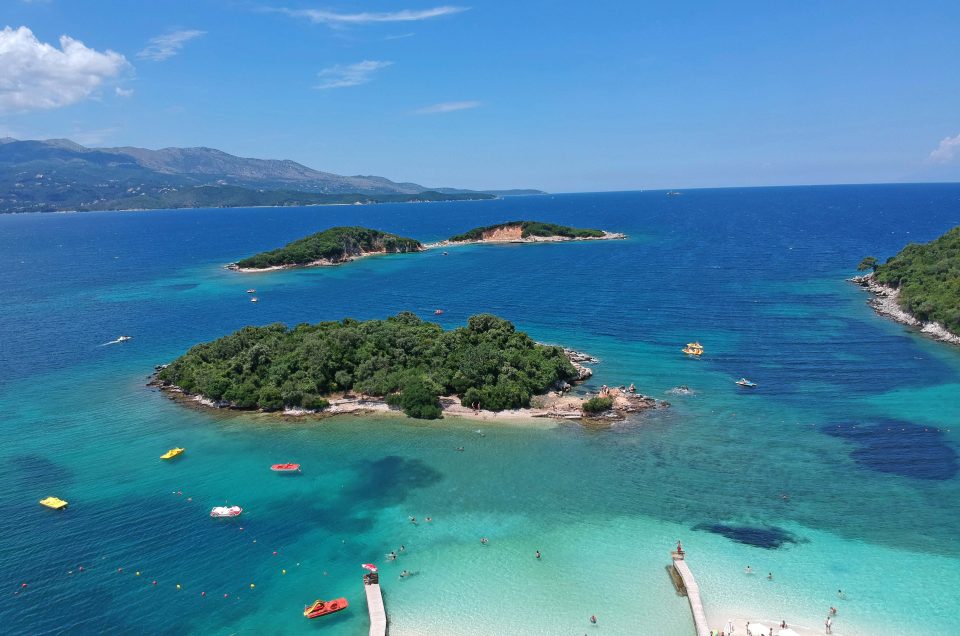
Situated at the southernmost tip of Albania, Saranda enjoys an ideal climate and boasts the distinction of having the highest number of sunny days in the Mediterranean. Numerous international travel agencies and websites recommend a visit to Saranda, and major cruise lines include this charming city in their Mediterranean routes.
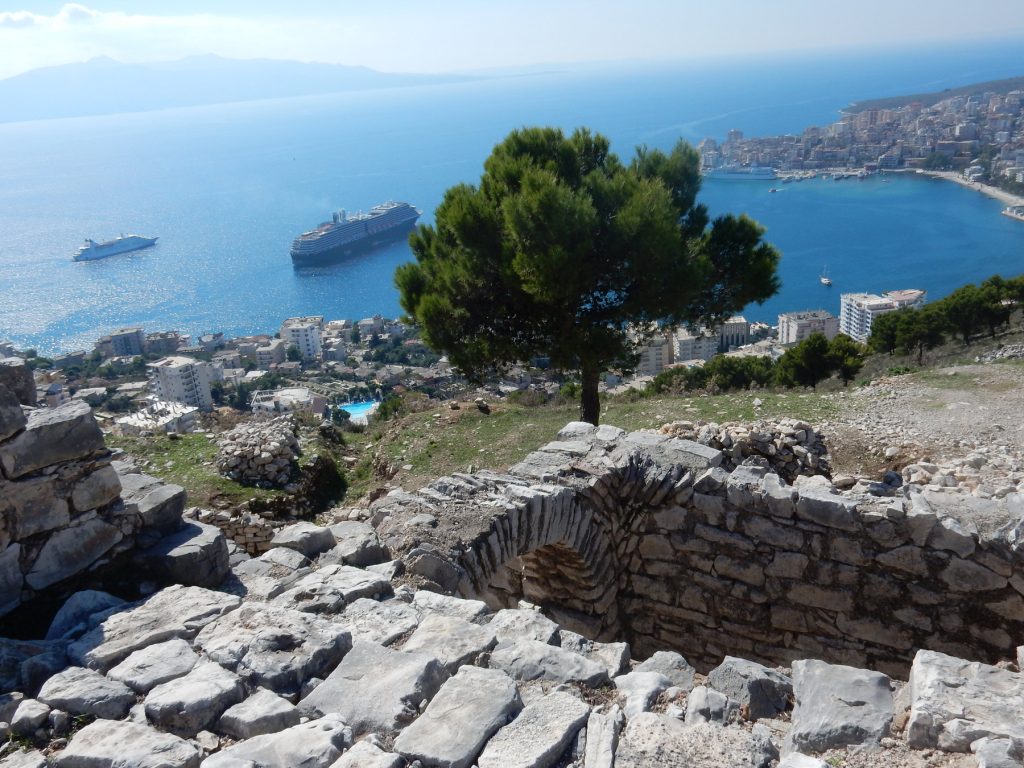
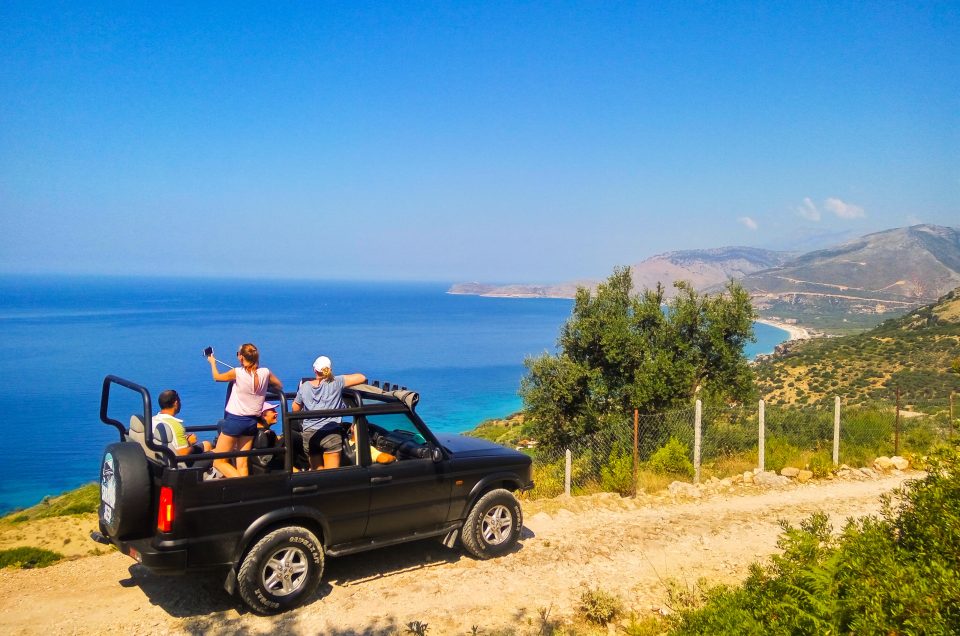
This harbor town is beautifully nestled on panoramic hills that descend into the emerald waters of the Ionian Sea, resembling an amphitheater. The name Saranda is believed to be derived from an ancient monastery, the remnants of which can be found on a nearby hill known as the “Forty Saints” Monastery. For a time, the city was called Porto Eda, named after Mussolini’s beloved daughter.
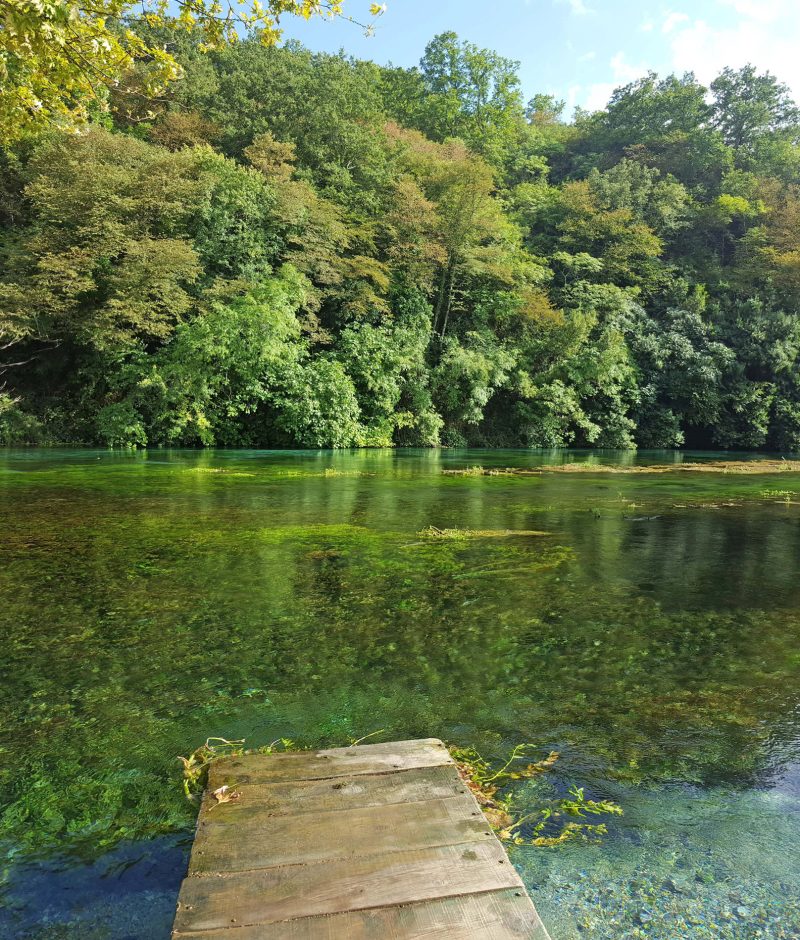
Saranda is conveniently located just 30 minutes from Corfu, with daily ferry services operated by Finikas Lines (www.finikas-lines.com). Surrounded by the stunning Ionian Sea, Saranda serves as a major gateway to the crystal-clear beaches of Ksamil, the breathtaking coastline of the Albanian Riviera, significant archaeological sites, lush natural areas, and majestic mountains visible when traveling from Corfu or ancient cities like Butrint and Finiq, as well as Gjirokastra, a UNESCO World Heritage Site built on rocky terrain.
The city’s expansive promenade, which begins at the port and meanders through Saranda, encapsulates its vibrancy. Along this path, visitors will find shops selling the best souvenirs, delightful ice cream stands, coffee bars, and some of the most popular restaurants. The promenade is adorned with colorful flowers, a variety of trees, statues honoring the city’s symbols, and a small harbor where local fishermen’s boats dock. Here, they bring in the morning catch, creating a picturesque scene beloved by tourists. Local artisans showcase their crafts, offering handmade souvenirs, some of which are crafted right before your eyes. Beautiful representations of Saranda can be found in artworks made from stones and seashells.
The town also features several monuments that provide a glimpse into its ancient heritage. Known as Onhezmi, the ruins of the ancient city can be found near the municipality and scattered along the coastline, alongside mosaics throughout the city, synagogues, and the impressive Lekuresi Castle, which can be reached in just minutes and offers breathtaking views alongside the Forty Saints Monastery. In autumn, you can appreciate Rays of sunshine and the calls of seagulls greet you each morning when you stay by the sea.
Local Cuisine and Restaurants
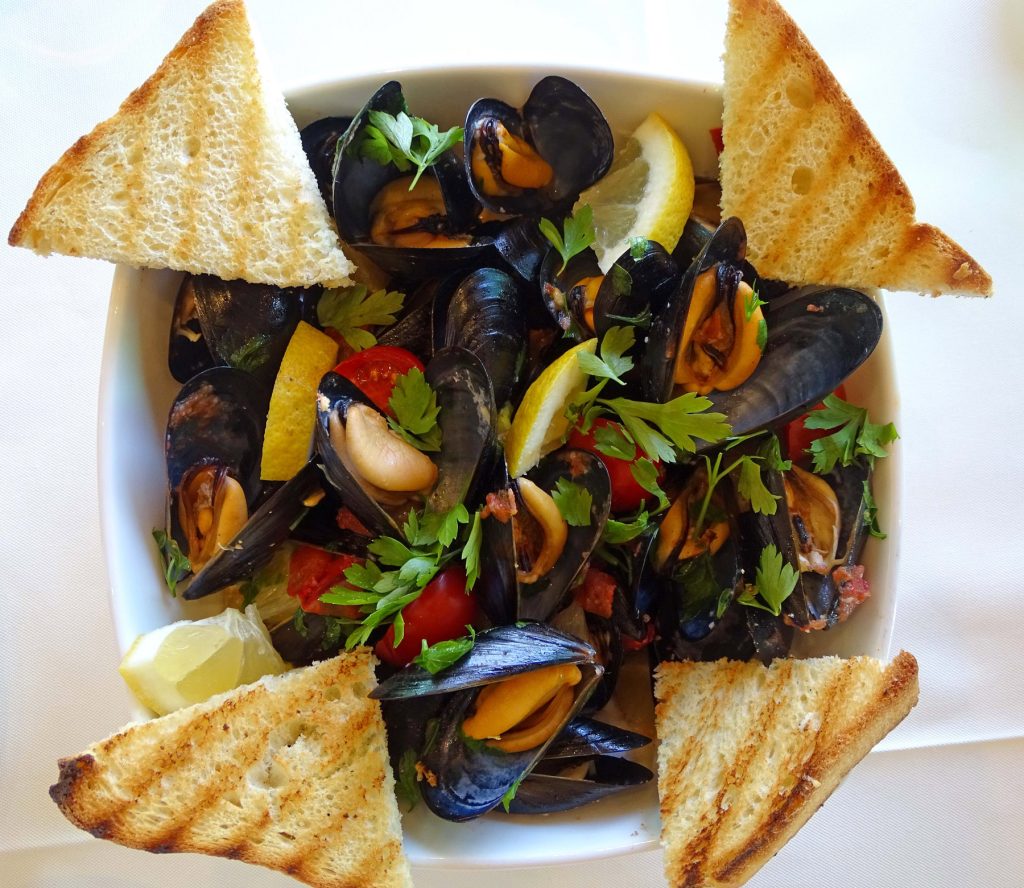
The local cuisine features Mediterranean dishes that highlight seafood, salads dressed with Riviera olive oil, iodine-rich meat products, and Konispol cheese, among others. Some specialties you might find in the area’s restaurants include roasted sardines, oven-baked fish koce, salt-baked fish, mussel stew, grilled shellfish, roasted baby goat ribs, meatballs with spinach or mussels, and mussel pie.
Things to Do in Saranda
Visit Butrint (UNESCO World Heritage Site)
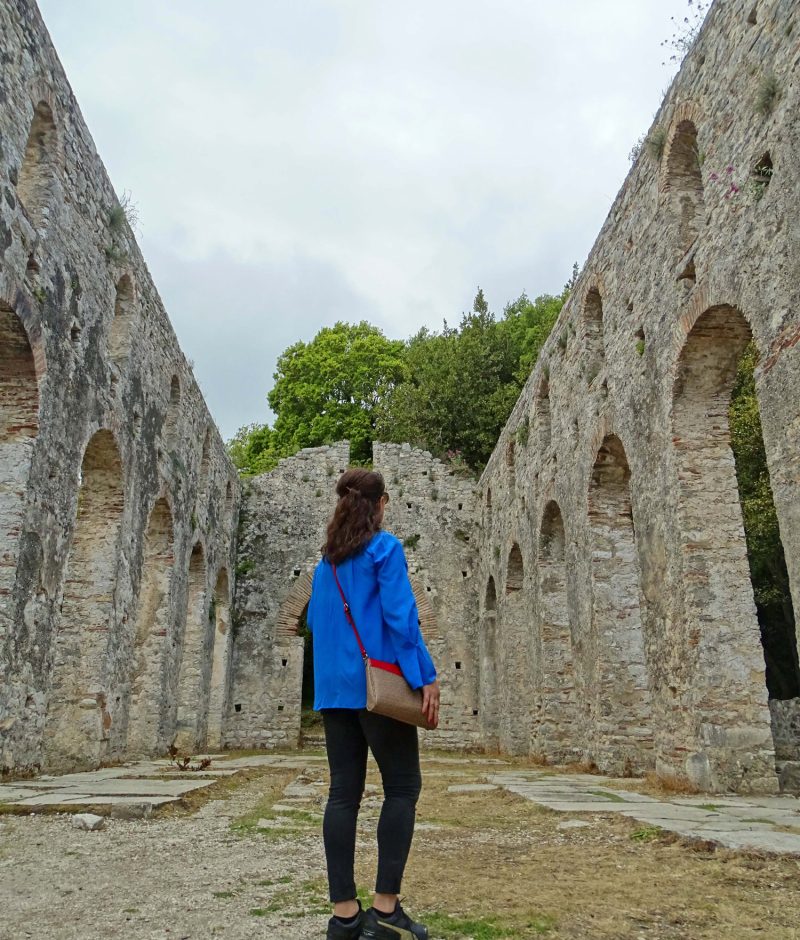
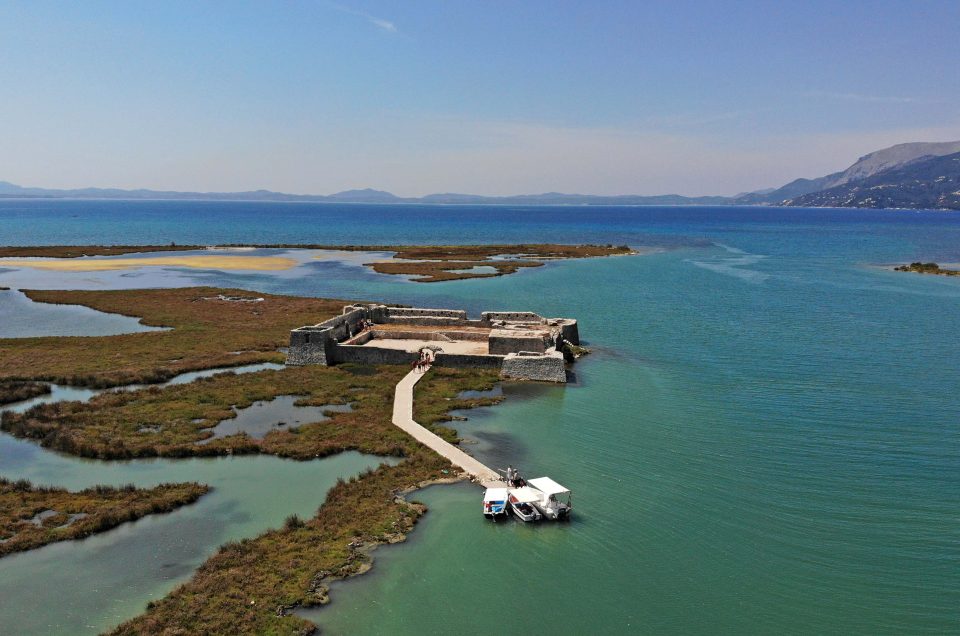
Situated just 18 kilometers south of Saranda, past Ksamil, lies the National Park of Butrint, the most significant national park in the country. This region is renowned not only for its ancient city but also for its diverse wildlife and stunning natural beauty. The unique geographical location and remarkable ruins of Butrint have captivated visitors for centuries. Butrint National Park spans 9,424 hectares, encompassing hills, lakes, wetlands, salt marshes, and coastal islands. It serves as a sanctuary for over 1,200 species of animals and plants. Within the park, 2,500 hectares are designated as an archaeological World Heritage site, including 614 hectares specifically allocated for the ancient archaeological site, which was recognized as a UNESCO World Heritage Center in 1992. Additionally, 2,900 hectares of the park are part of the total 13,500 hectares of internationally significant wetland areas protected by the Ramsar Convention. The park boasts a variety of aquatic birds, thanks to the saline wetlands and the freshwater lakes of Bufi and Butrint, as well as the Vivar Canal and the Pavle River. The Pavle River is known for its freshwater fish, while Lake Butrint is famous for its mussel farms. Visitors can enjoy a range of activities in the park, such as walking through historical buildings that blend cultural heritage with the rich natural surroundings or boating on the lake, where they can observe numerous mussel and fish farms. The park is also a popular destination for birdwatching and horseback riding.
Brief History of Butrint
Butrint, known as ancient Buthroton, is situated on the Epirus coast in present-day Albania, with evidence of habitation dating back to the 7th century BCE. According to legend, it was founded in the 12th century BCE by Trojans escaping a Greek siege. Its primary inhabitants were the Kaonians, an Illyrian tribe. Although influenced by Hellenic culture, the Greeks never controlled Butrint.
The city fell under Roman control in 167 BCE but retained a degree of autonomy. Under Emperor Augustus, several public works were completed, transforming Buthroton into Buthrotum, where Latin became the primary language. By the 5th century, Christianity flourished, leading to the construction of a basilica. After a prosperous period under Byzantine rule, Butrint was abandoned in the late Middle Ages and later fell under Ottoman control.
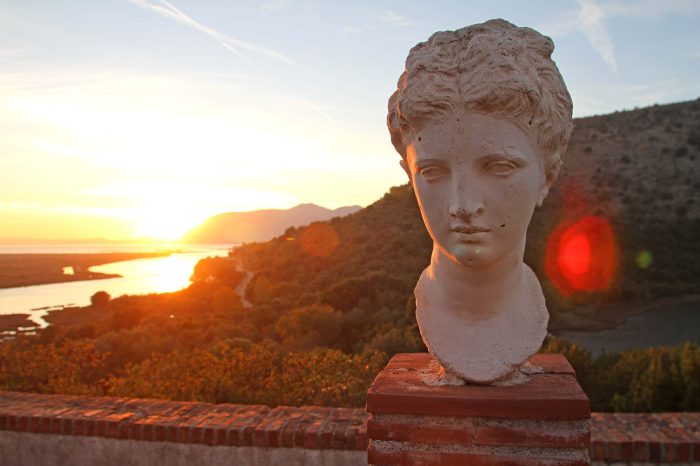
Excavations began in 1928, led by the Italian archaeologist Luigi Maria Ugolini, who mainly focused on the Roman period. Today, Butrint is an archaeological national park and a UNESCO World Heritage Site, featuring significant sites such as the Temple of Asklepius, the old Amphitheater, and a Baptistery with a mosaic pavement dating from the 6th century.
Excavations began in 1928, led by the Italian archaeologist Luigi Maria Ugolini, who mainly focused on the Roman period. Today, Butrint is an archaeological national park and a UNESCO World Heritage Site, featuring significant sites such as the Temple of Asklepius, the old Amphitheater, and a Baptistery with a mosaic pavement dating from the 6th century.