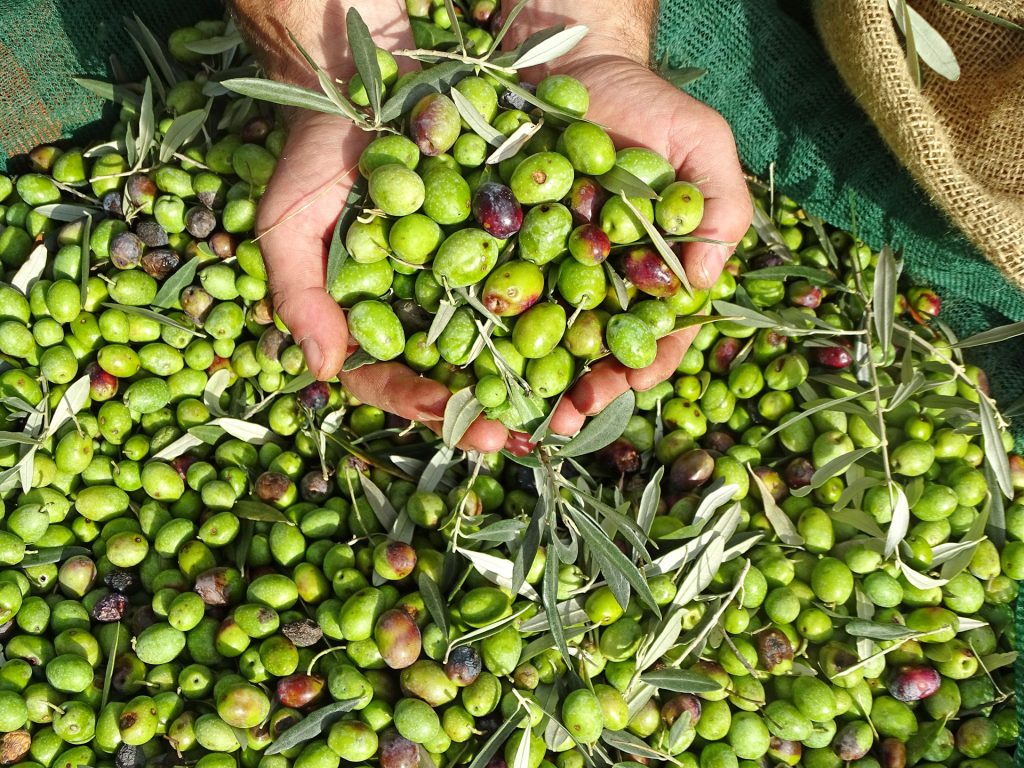
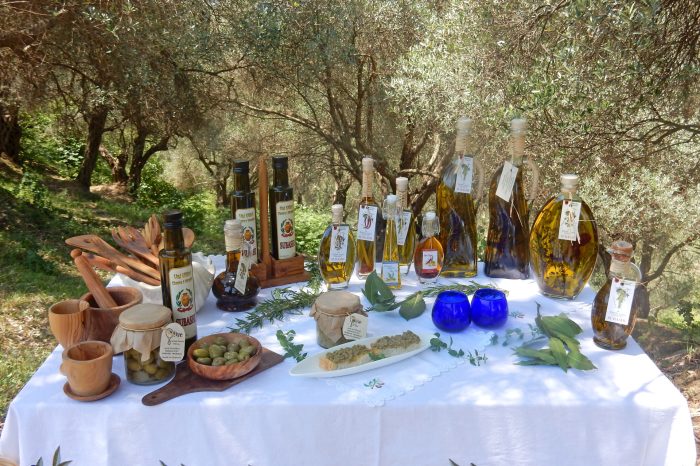
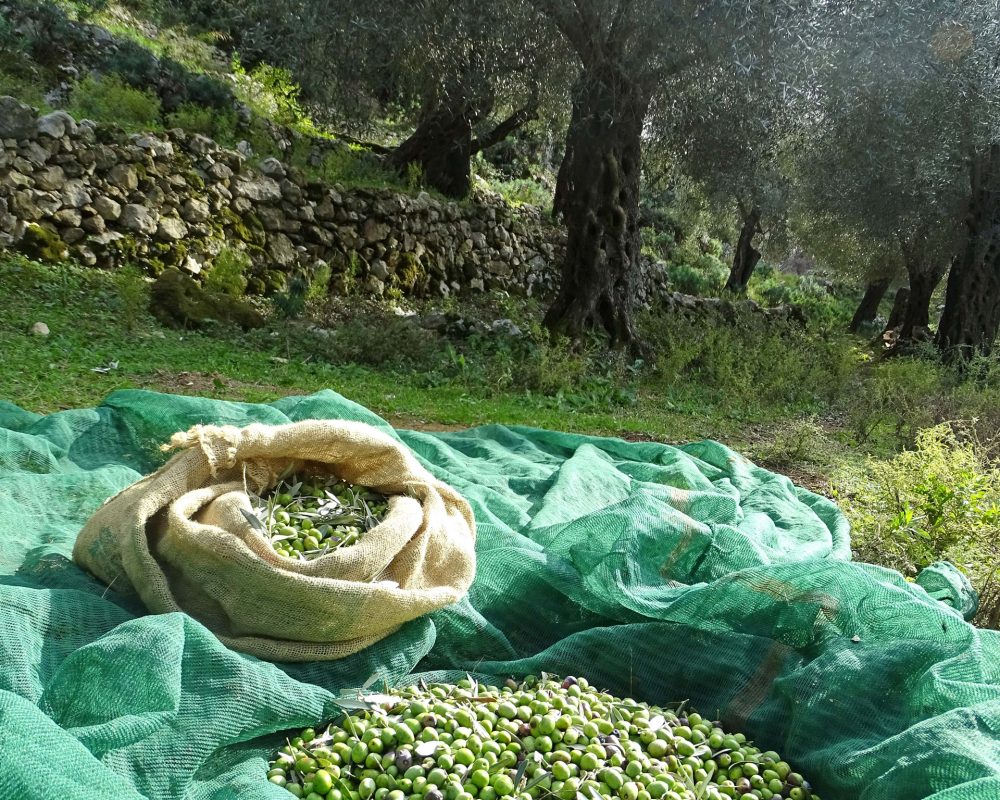
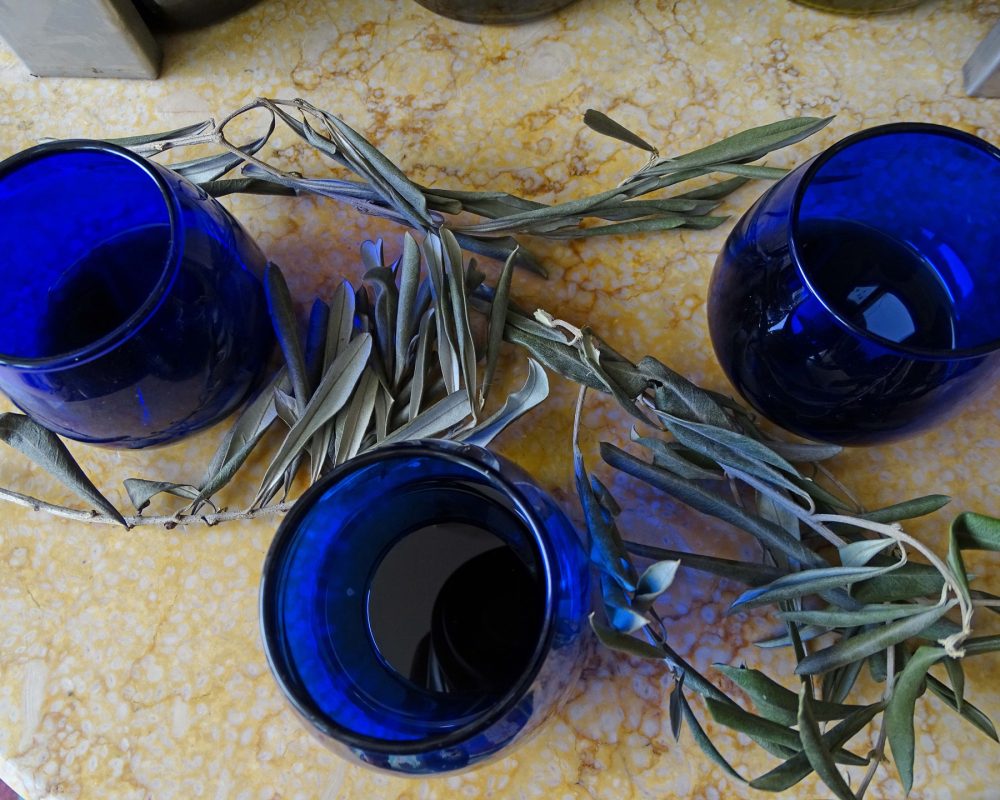
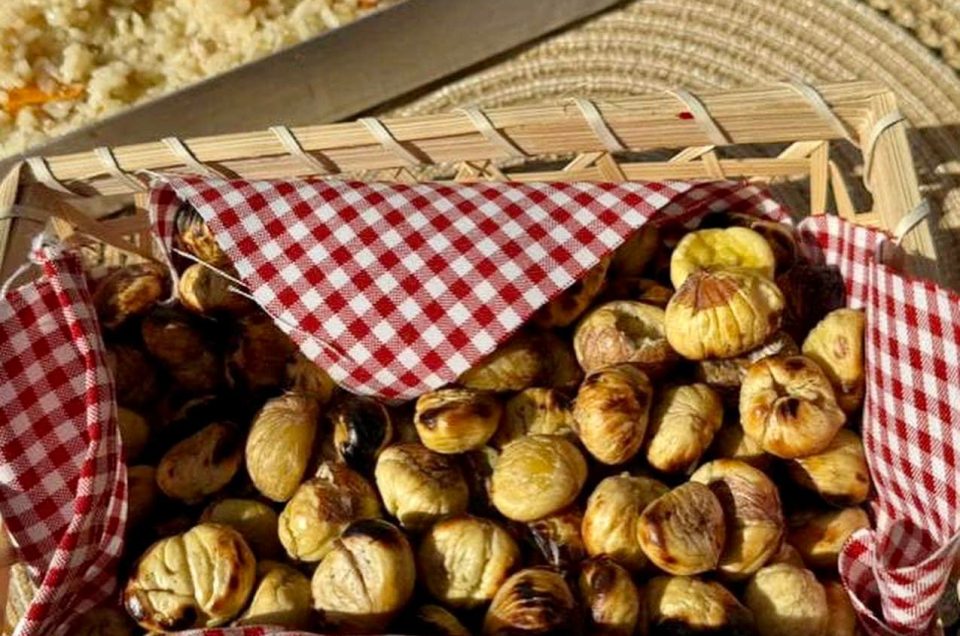
For every taster, visiting oil production farms offers an authentic experience that is not to be missed. Tourists are encouraged to explore local boutiques, oil tasting facilities, and partake in the vibrant festivals and activities, particularly those held during the spring season.
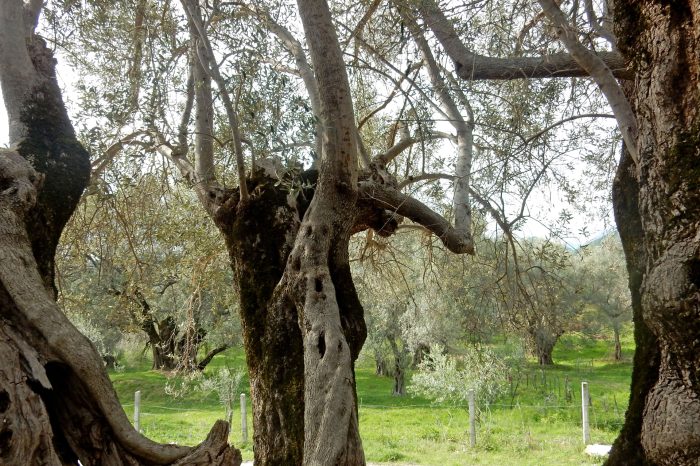
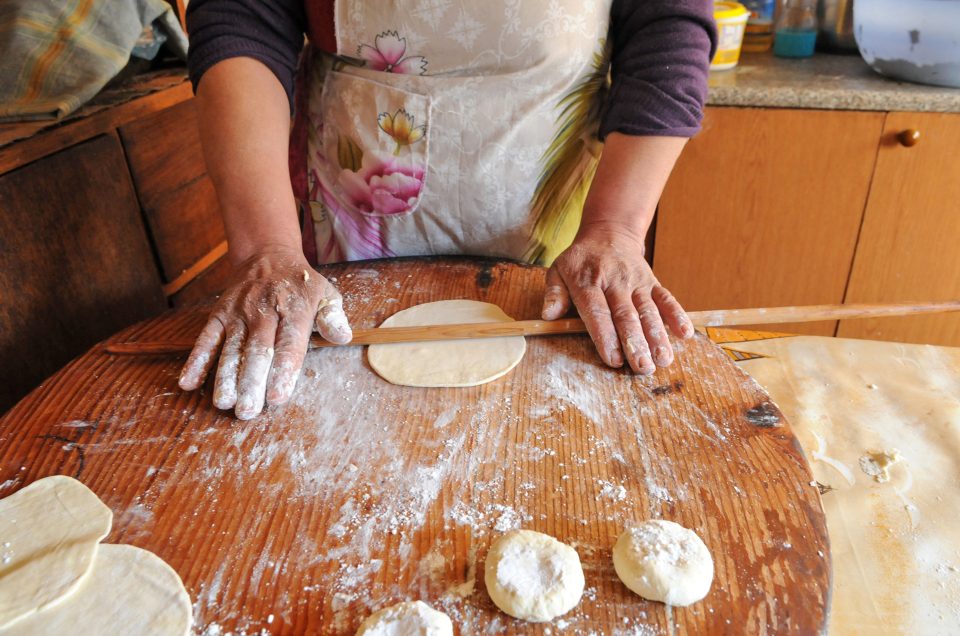
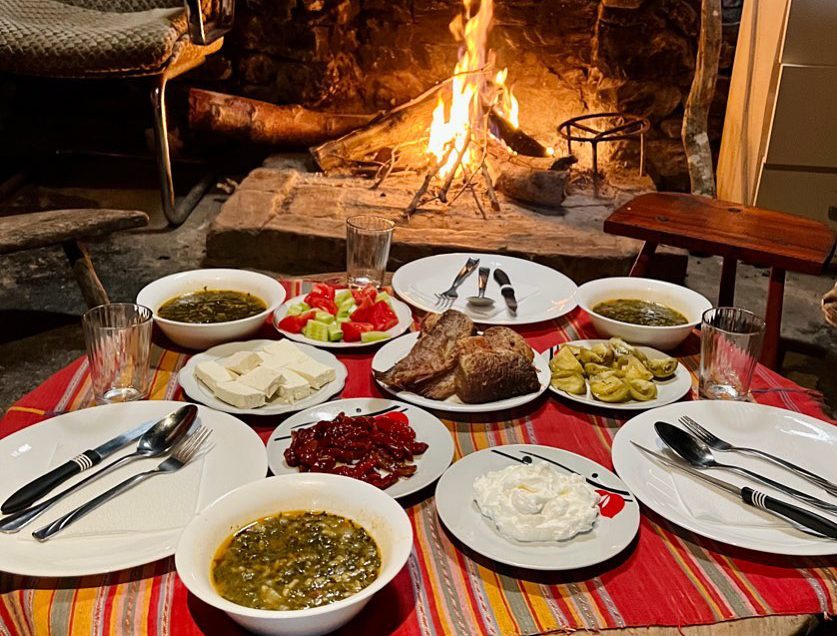
Albania’s oil producers operate small farms that encompass olive groves, factories, storage cellars for extra virgin olive oil, and, in many cases, traditional mills and tasting venues. These producers are known for their hospitality, welcoming guests to sample their oils alongside local cuisine and homemade bread while sharing the secrets of oil production and storage. In regions with ancient olive trees, visitors can stroll through the picturesque olive groves adorned with spring flowers and capture beautiful photographs to share with friends.
Several oil tours are available and can be included in tourist packages offered by travel agencies or arranged for individual travelers. The olive tree, one of the oldest living species on Earth, is a symbol that identifies Albania within the Mediterranean region, linking it to the early civilizations of the Mediterranean. This region is the heart of the olive world, home to 95% of olive trees, which produce 98% of the world’s olive oil.
In Albanian culture, olive oil signifies longevity, peace, reconciliation, and strength. It embodies hope and rebirth, serving as a distinctive root of our national identity.
The Antiquity of Olive Oil in Albania and the Mediterranean
According to “Histoire del’Olivier,” the earliest traces of olive oil extraction date back around 60,000 years in the Mediterranean, including Albania, which emerged after the last ice age. Cultivation of the milder olive began approximately 46,000 years ago. Numerous artifacts, seeds, and remnants of olive oil containers discovered in ancient sites such as Amantia, Bylis, Apollonia, and Cerje provide solid evidence of olive cultivation in the region for the last 5,000 to 6,000 years. Remains of oil mills from 300-350 BC, as well as fortifications and castles adorned with olive trees, highlight their significance in the landscape. Today, over 100,000 olive trees, some aged between 1,000 and 3,000 years, attest to the longevity and adaptability of olive cultivation in Albania. Historians like Herodotus and Thucydides noted that the Pelasgians, who were known for their distinctive dry-stone walls, olive groves, and cypress trees, were among the earliest civilizations to thrive in this region.
Olive Biodiversity
Olive oil plays a significant role in biodiversity, reflecting a multitude of landscapes, enhancing ecosystems, and fostering plant growth across various terrains. The olive tree thrives along the Ionian and Adriatic coastlines, coexisting with over 200 species of Mediterranean forests, fruit trees, vegetables, and ornamental plants, creating intricate ecological connections. The rich genetic diversity of olives is supported by favorable environmental factors, including climate, geographic location, and freshwater systems such as lakes and rivers. There are 164 genotypes of olives , which form an indigenous genetic diversity comprising various varieties and forms across three primary genetic populations: Olleastra, Kaninjoti, and white varieties. Fourteen varieties account for 95% of the cultivated olive grove area. The genetic foundation of olive trees, certified through morphologic and molecular markers, highlights their indigenous identity, while the coexistence of wild species contributes to the uniqueness of our olive-growing regions.
Olive Trees as Landscape Elements
From ancient Illyricum to the present, the olive tree has served as a cornerstone of the landscape, a vital element known for producing high-quality oil that symbolizes power and generosity. The evergreen olive tree blooms and bears fruit year-round, blending with ancient specimens to create an extraordinary visual tapestry. The old oil mills, forts, and castles nestled within olive groves serve as the hub of agrotourism, offering spaces for recreation, relaxation, and photography amidst these millennia-old trees. In Tirana, notable locations include Preza, Petrela, Tufina, Tujanin, and Marikaj in Vora, as well as Ndroqi. In Vlora, one can explore Skrofotina, home to the renowned Kaninjoti olive variety, as well as Himara, Delvina, Kruja, Elbasan, and Lezha.
Gastronomy
Extra virgin olive oil is a crucial ingredient in Albanian cuisine and coastal diets, known for its rich flavor, health benefits, and high vitamin content. Annually, Albania produces approximately 15,000 tons of extra virgin olive oil. To celebrate Albanian gastronomy, it is recommended to savor extra virgin olive oil sourced from Albania. The fruit-forward oil from the Riviera, stretching from Vlora to Saranda, showcases over 70% of the Kaninjoti type of native olive tree. Enthusiasts of this exquisite oil appreciate its subtle fruity flavor complemented by a slight bitterness, further enhancing its reputation as a health treasure.