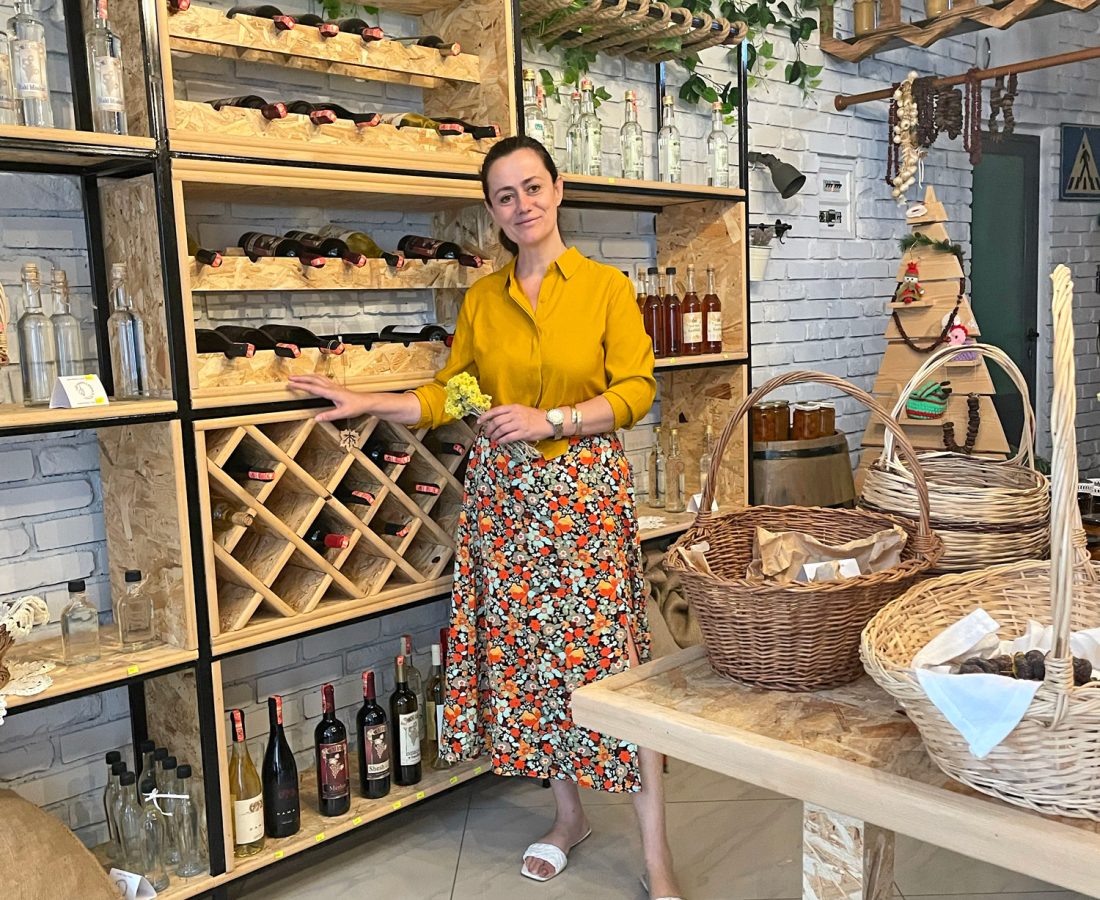
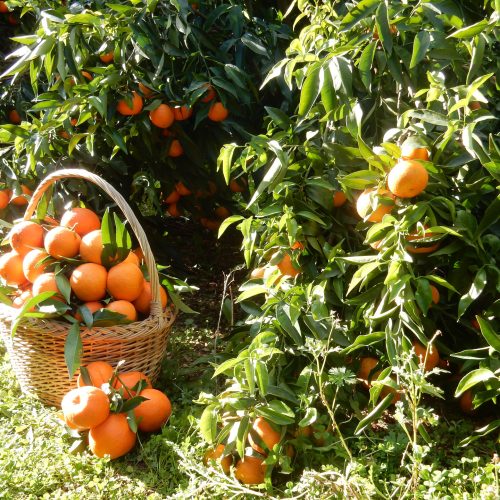
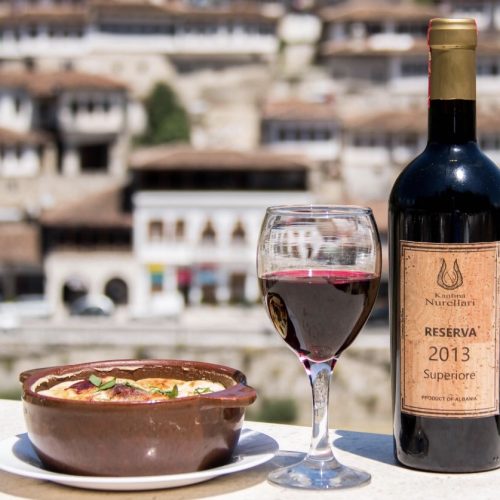
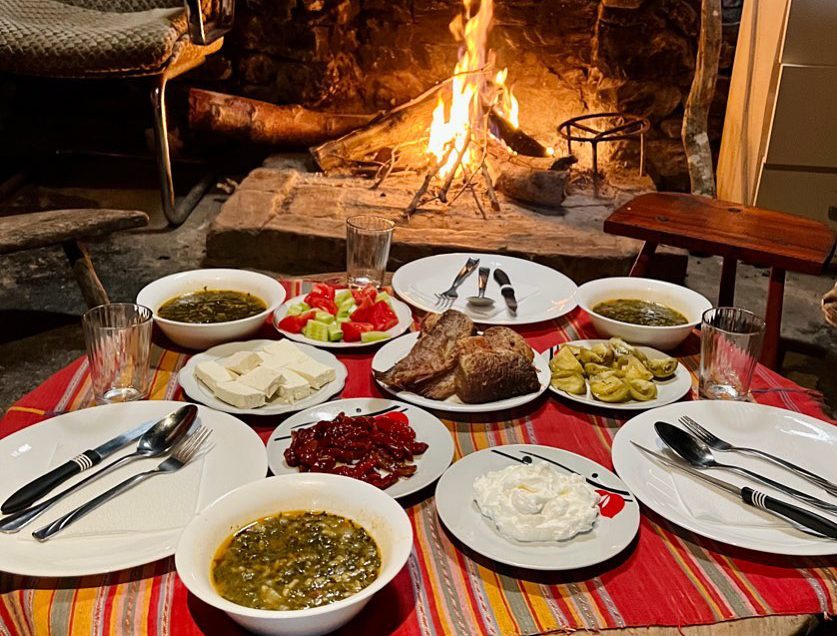
Tourists visiting Albania, both local and international, greatly value the quality of their excursions, especially the cuisine offered. They seek to enjoy flavorful organic food that is free from chemicals and reflects unique products not available in their hometowns. Regardless of the type of vacation or itinerary, gastronomy is a fundamental aspect of all tourism experiences. With colder weather prompting a shift in focus from coastal areas to the country’s inland regions and rural communities, there is an increasing trend among tourists to shop directly at local farms. Many now have specific plans for tasting traditional products from various regions, indulging in culinary experiences and sourcing food items that cannot be found in supermarkets. This is the time when visitors express a desire to stroll through apple orchards, picking the fruit themselves. Other popular attractions include beehives, factories producing jams, olive oil, wines, and more.
Every year, numerous local and foreign visitors come specifically for this kind of shopping, drawn by the country’s potential for organic agricultural products. Key organic offerings include vegetables, fruits, olive oil, fresh herbs, medicinal plants, and wild mushrooms. Thanks to its Mediterranean climate, Albania is recognized for its grape cultivation and the production of a diverse range of red and white wines. Prominent varieties include Merlot, Cabernet, Pinot Nero, Kallmet, Black Square, San Gioveze, Riesling, and White Square. The traditional alcoholic beverage is raki, a type of grappa/brandy made from grapes, while some regions also produce plum brandy (notably in Korça and Dibra) and mulberry brandy ( Boboshtive). Albania is additionally famous for its “Skanderbeg” cognac, which is celebrated for its distinctive taste and aroma, earning many international accolades.
Among non-alcoholic beverages, Boza, a corn-based soft drink, is produced in the north, especially in Kukës, while Rehana made from grape juice is typical in Skrapar. These offerings have piqued the interest of Europeans, Americans, and many Middle Eastern visiting Albania.
Chestnut Honey: A Treasure for Mountain Visitors
Since ancient times, the honey of our lands has been recognized well beyond the borders of Illyria. During the Middle Ages, notable honeys included those from Kanina (Vlora), Vrapi (Peqini), and Zogaj (Tropoje), among others. This time, we would like to present the honey from Tropoje.
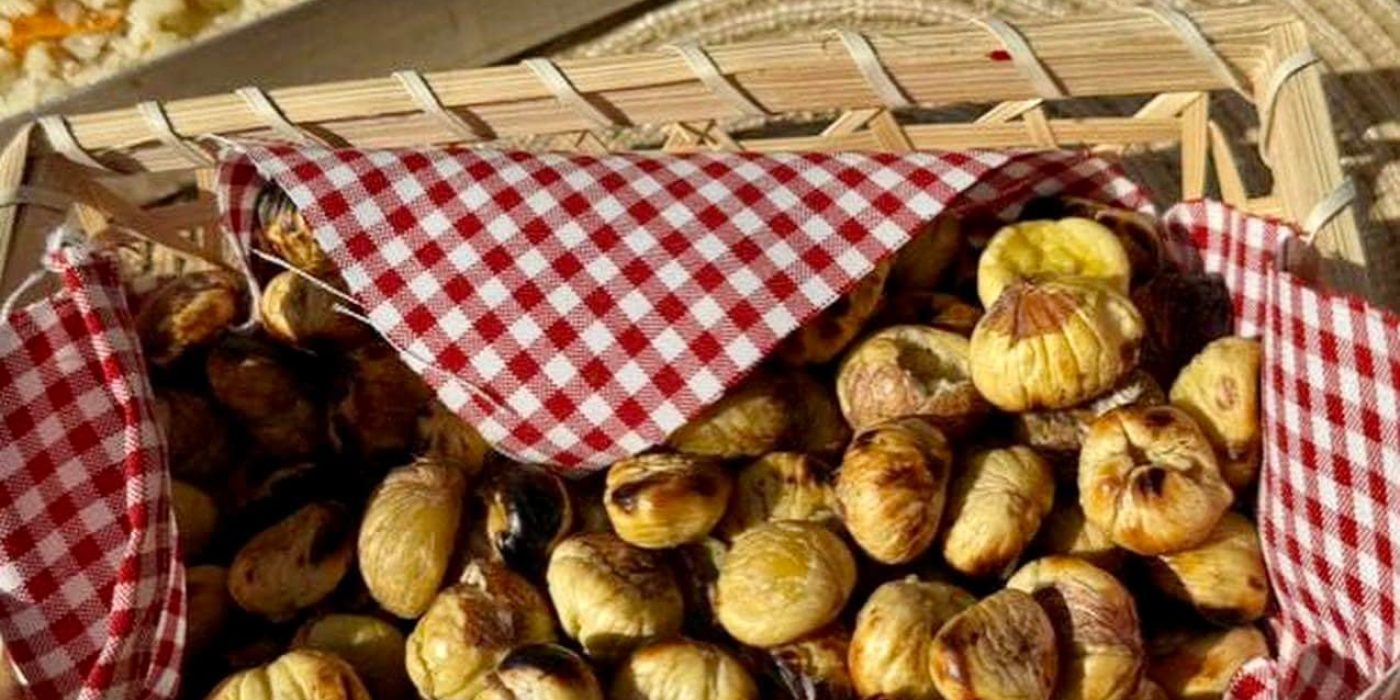
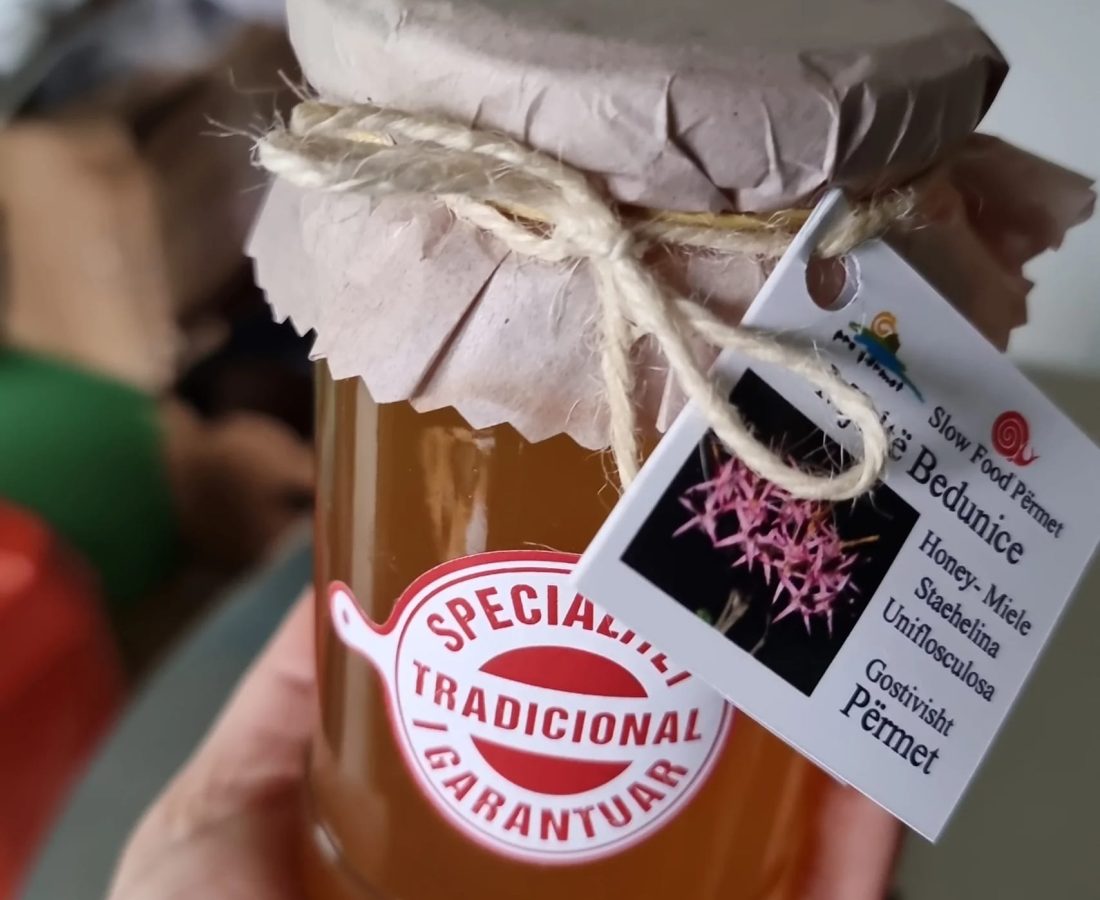
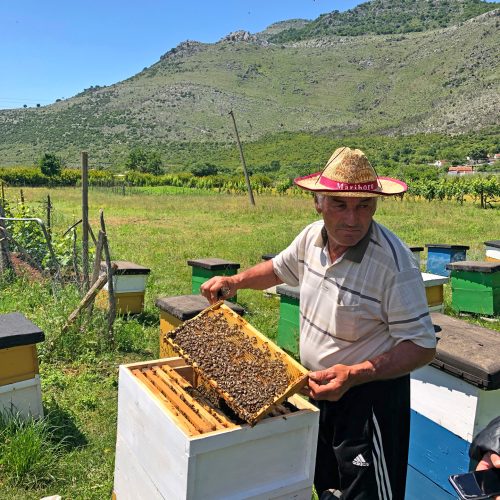
If you plan to visit the mountains of Albania for a holiday, remember to savor one essential treasure – honey of Tropoje. This honey, renowned for its exceptional curative properties, is produced by bees that feed on chestnut flowers. The male flowers of the chestnut are particularly beneficial to bees, earning the tree its reputation as the “bee tree.” The honey from Zogaj in Krasniqe is especially well-known. It is highly aromatic, medicinal, and can vary in color from amber to dark brown, with a slightly bitter aftertaste. Tropoje honey is known for its resistance to crystallization and is particularly rich in fructose and pollen. Honey production occurs mainly in regions abundant in chestnuts, particularly in the submountain zone between 300 and 700 meters above sea level. A stroll through the chestnut forests, enriched by the mountain fragrances, promises to be a remarkable experience. The chestnut massif in Tropoje is the largest in the Balkans, spanning 2,620 hectares and home to 400,000 trees, making it the most extensive in Albania and the Balkans.
Since ancient times, Albania’s honey has been renowned beyond the borders of Illyria. During the Middle Ages, one particularly famous type was
Spanning 2,620 hectares and home to 400,000 tree roots, it stands as the largest in Albania and the Balkans.
Undoubtedly, don’t overlook the plums, blueberries, and the trout of Tropoja—another alluring aspect of its tourist appeal. The forests and mountains of Tropoja are abundant with medicinal plants, presenting a prime opportunity not only for improving respiratory health but also for gathering these valuable herbs that command high prices in markets. Among the 186 identified species, the blueberry (Vaccinium myrtillus) is particularly significant, thriving in alpine meadows at altitudes between 1,800 and 2,000 meters. When possible, make sure to stock your car trunk with the renowned Tropoja black plum, celebrated throughout the country for its exceptional quality. This plum is utilized in the crafting of brandy, jams, and Oshaf (a traditional product) and is easily foraged—one tree can yield up to 30 kilograms without worry.
In Tropoja, you’ll also find a distinctive fish known as trout, characterized by its red-dotted belly, which is quite rare in Albania. This fish is neither large nor small but is known for its delightful flavor.
Riviera Olive Oil: An Extra Invitation for Tourism
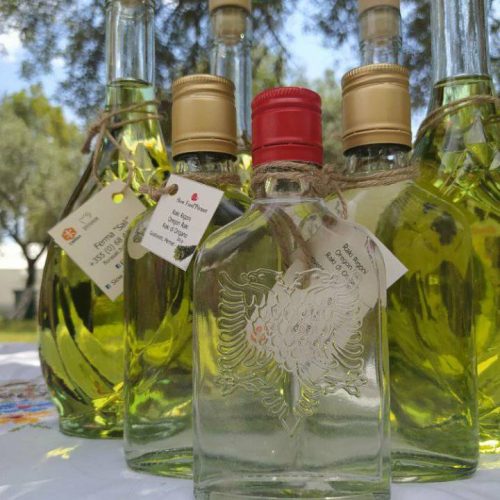
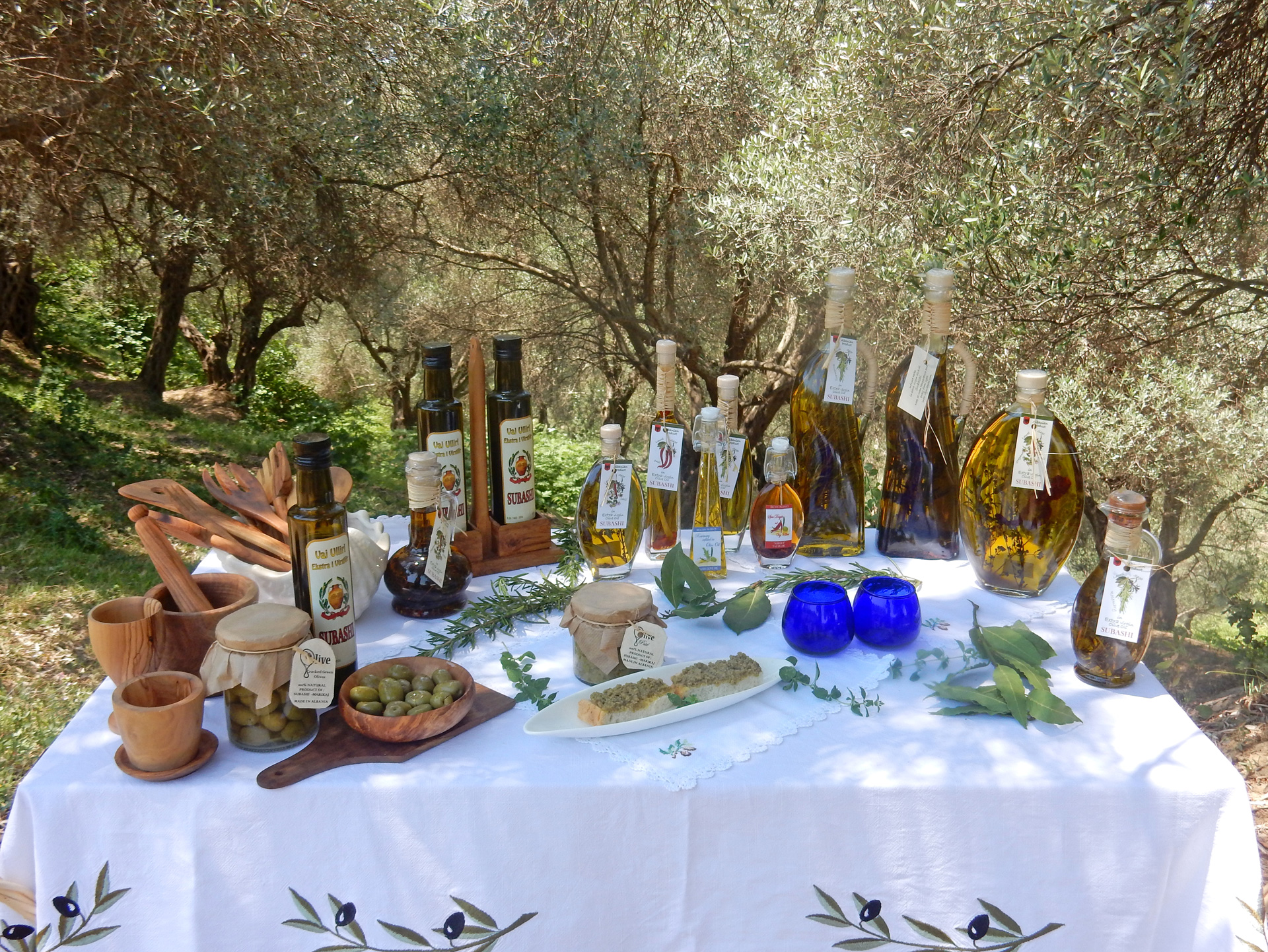
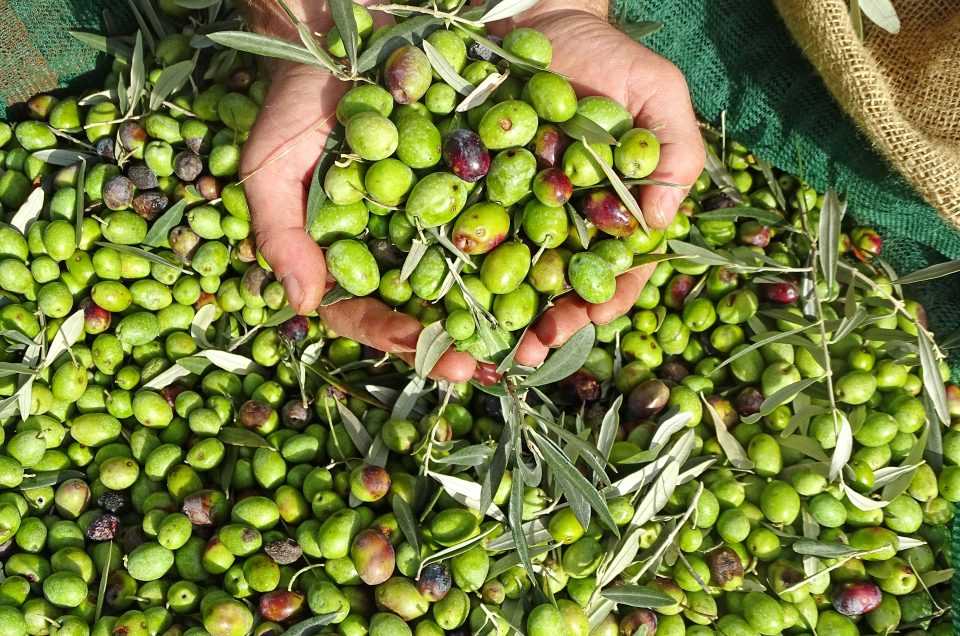
The olive groves of Riviera serve as an additional reason for both local and international tourists to visit this southern region. Beyond the allure of the sea, the olive tree is another major attraction. The “Kalinjot” olive, often referred to as “the king of all olive trees and oil varieties,” has been cultivated for centuries in this coastal area. This rich heritage of Albania’s southern coastline is gaining increasing recognition. Several companies in villages such as Borshi, Dhermi, and Himara are internationally certified for the origin, purity, and authenticity of their olive oil production. Many foreign tourists love the chance to taste olive oil right at the factories. Anyone can participate in this experience as well, with specialists ready to guide you based on your preferences for various olive oil flavors, whether spicy or mild. Notably, Albanian Riviera olive oil maintains its quality even when subjected to high cooking temperatures.
Years ago, during a visit to Albania, the President of the Olive Association in France proclaimed that the Albanian olive reigns as the king of olives throughout the Mediterranean region. In numerous discussions with producers, he would often take a moment at the dining table to sample an olive, taking the opportunity to express its superiority.