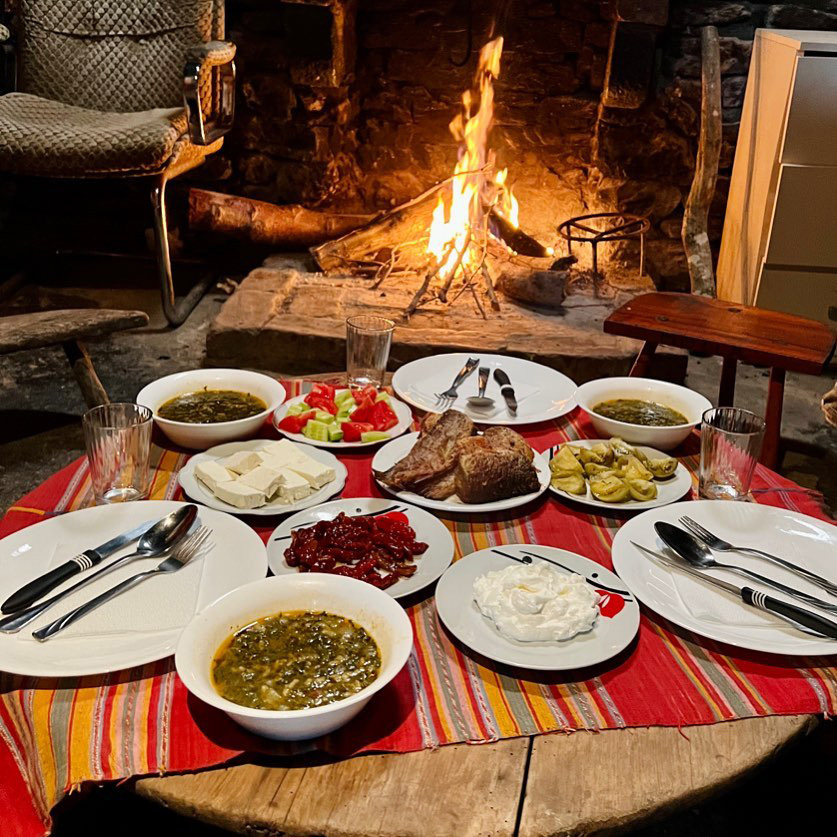
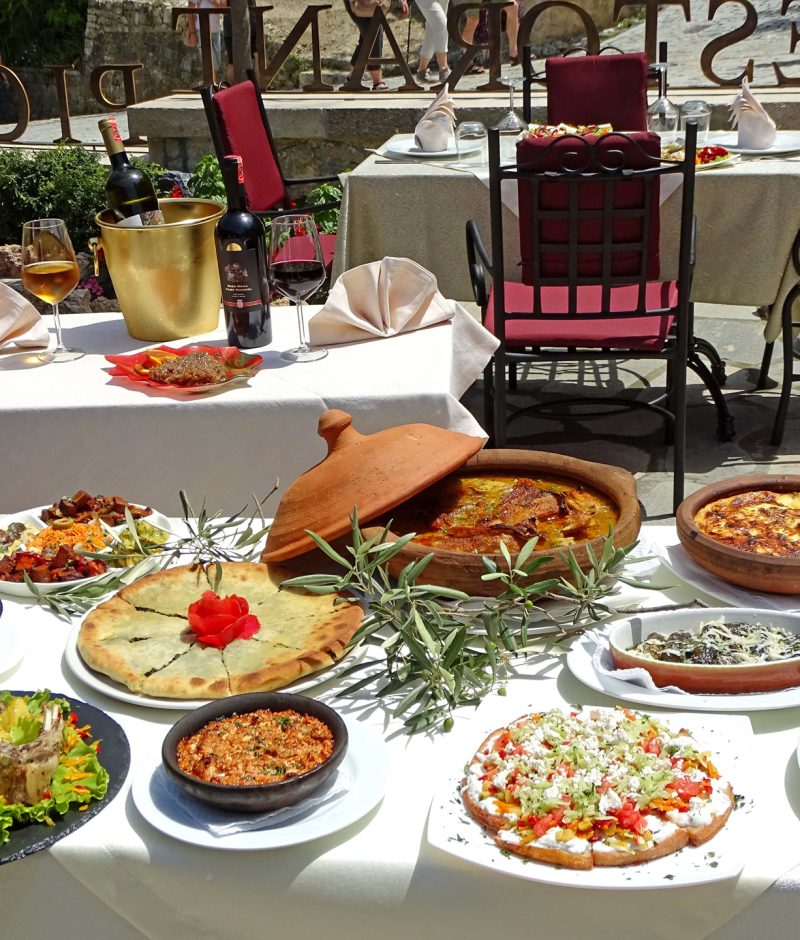
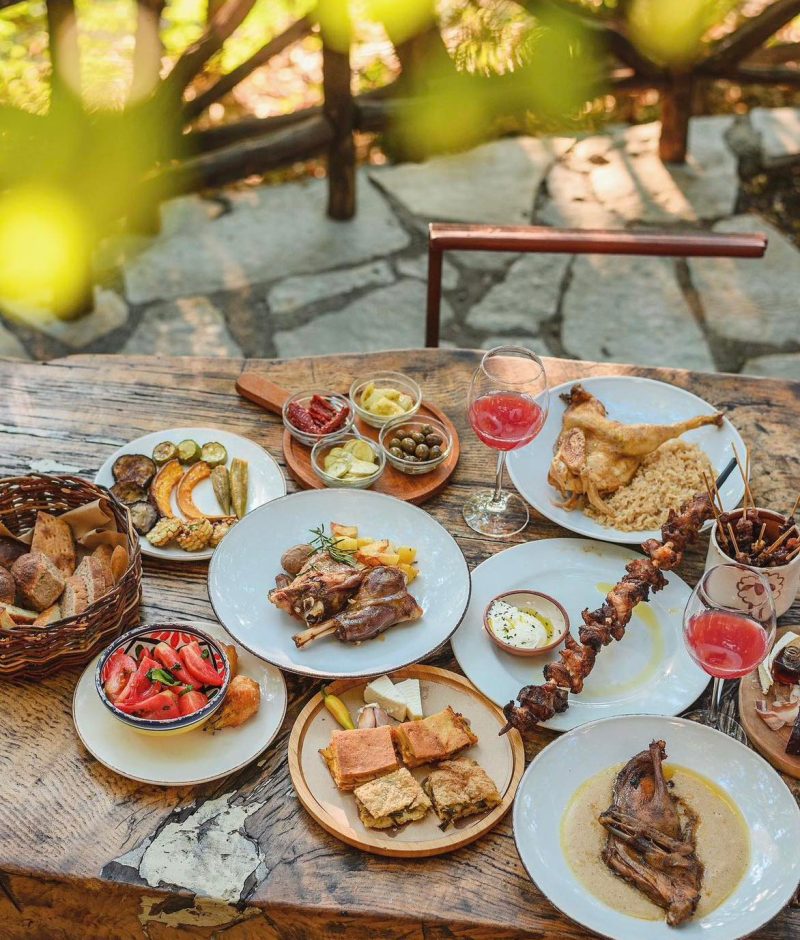
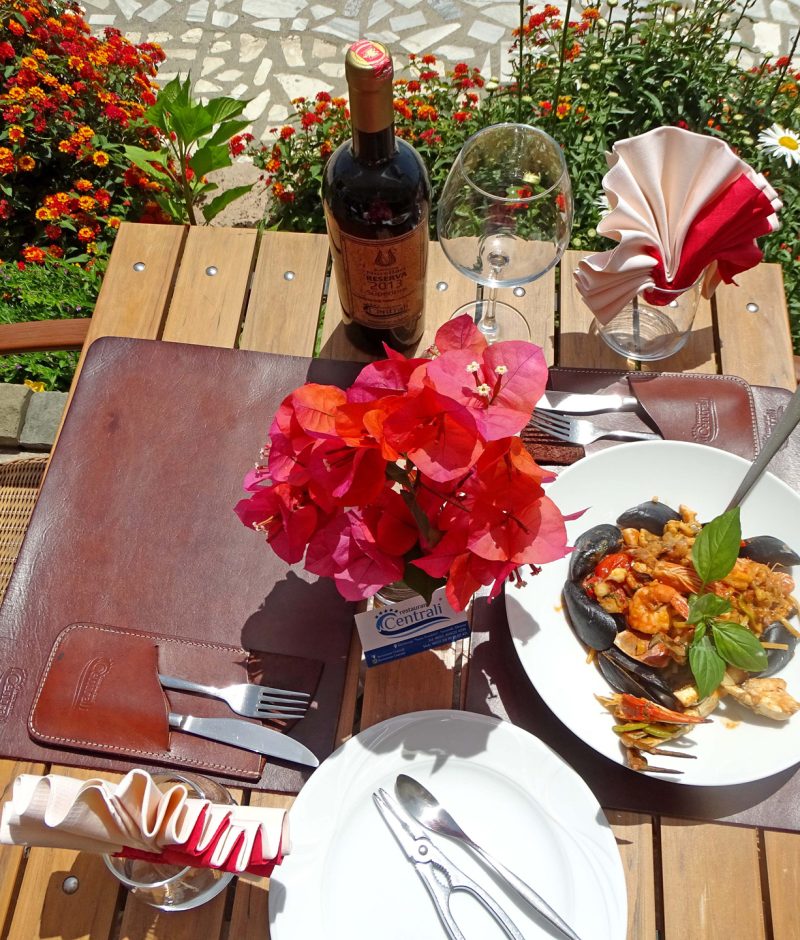
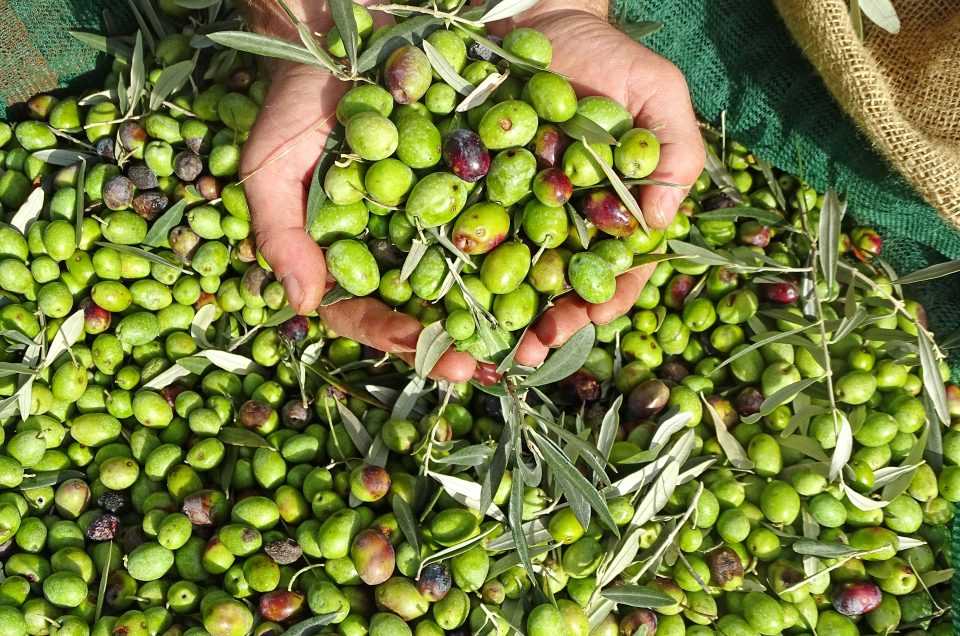
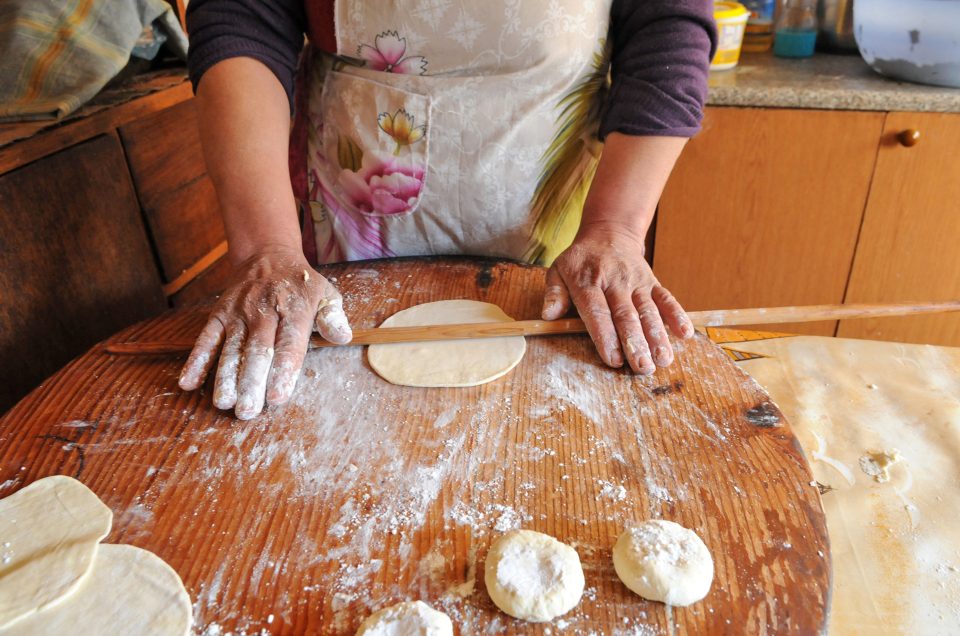
Thanks to its typical Mediterranean climate along the cost and its continental climate in the hinterland mountainous areas, together with its rich and very productive soil, Albania produces all kinds of Mediterranean fruits and vegetables. Throughout its territory, there are many developed vineyards, cultivation of citrus fruits, olive trees, nuts, and other fruit trees, with many apiaries (bee yards) in between, mostly rural and of different sizes, producing distinctive types of honey based on local vegetation. Albania’s landscape provides enough grazing land for raising cattle and sheep in natural environments. Likewise, free-range poultry and wild and farm-raised fish are plentiful. Thus, the abundance of foods and multicultural gastronomy have provided an opportunity to develop culinary tourism. Many agrotourist farms, canteens, and oil mills are popping up along access roads to well-known areas with traditions in cultivating products of specific origin.
Tirana
Vicinities between Tiranë, Durrës, and Lezhë have turned into competing gastronomic destinations. For example, the outskirts of Tiranë, called Petrelë, has Farm Fustanella; Laknas has Farm Uka; and in Lundër and elsewhere, there are farms that cultivate local products and promote the Slow Food Movement, which encourages local food and traditional cooking. The movement sees globalization, with its fast-food franchises, as a process that could cause local and ethnic dishes to disappear. Their aim is that small, local farmers and food producers should be protected. Some restaurants with domestic products and dishes are to be found in Tiranë and near Dajt Mountain as well. One such place is Enotek Class Wine near the Selman Stërmasi stadium in Tiranë, where one may taste all the types of Albanian wine.
Durrësi
Vicinities between Tiranë, Durrës, and Lezhë have turned into competing gastronomic destinations. For example, the outskirts of Tiranë, called Petrelë, has Farm Fustanella; Laknas has Farm Uka; and in Lundër and elsewhere, there are farms that cultivate local products and promote the Slow Food Movement, which encourages local food and traditional cooking. The movement sees globalization, with its fast-food franchises, as a process that could cause local and ethnic dishes to disappear. Their aim is that small, local farmers and food producers should be protected. Some restaurants with domestic products and dishes are to be found in Tiranë and near Dajt Mountain as well. One such place is Enotek Class Wine near the Selman Stërmasi stadium in Tiranë, where one may taste all the types of Albanian wine.
Lezha
Lezha is the home of many natural attractions and a developed culinary industry. Its various areas offer different gastronomies depending on the products they grow or cultivate. Geese, eels, fish, piglet, lamb, or goat meet, olive oil, cheese, Kallmet wine, Kallmet great beans, canned fruits, and various jams are part of the basket of products from Lezha. Thus, on Ishull Lezhë (Lezhe Island) at Trëndafili Mistik (Mystic Rose) restaurant, one may taste pie with rosés; or at Sebastiano, eel casserole on the clay; or on the roadway to Shëngjin, Rapsodia offers creative traditional dishes; at restaurant Ara in Shëngjin there is homemade pasta, and fresh fish are always the specialty of the day. Leaving the seaside, visitors can head to Zadrima and Fishtë, two villages known as the epicenter of agrotourism and Slow Food ideals.
Culinary-Inspired Trips
These days, tourists worldwide are seeking well-known culinary destinations. According to culinary tourism experts, some of them choose to travel to a certain country precisely because of their traditional cuisine and the reputation of their food and wine. Many areas in Albania are known for their culinary traditions and wine making.
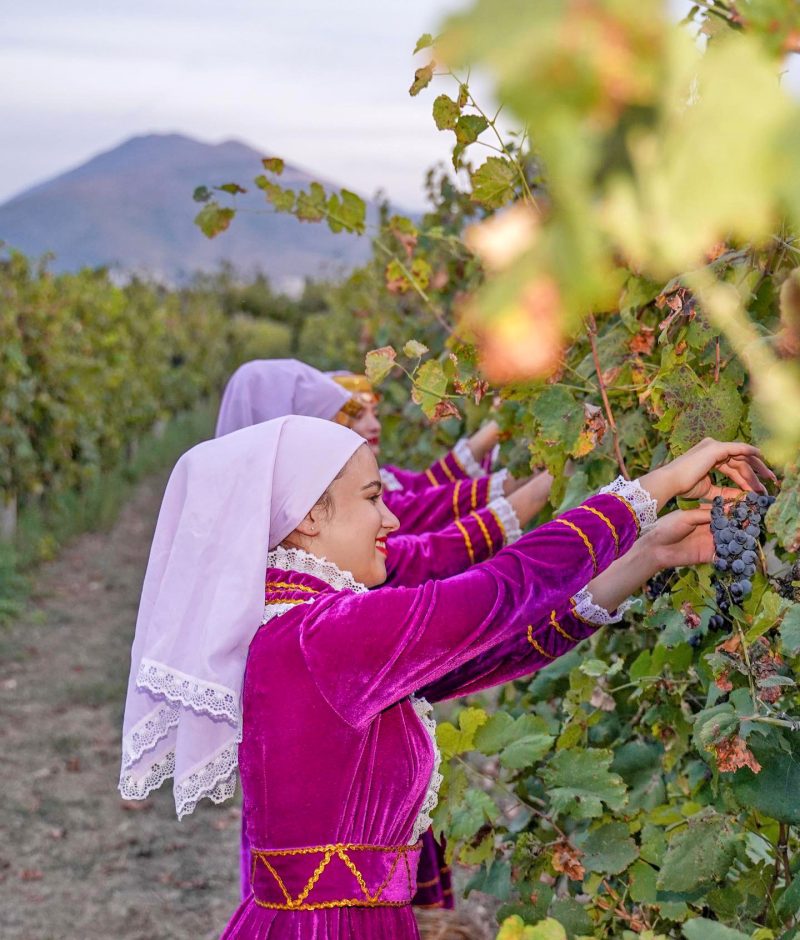
Among the best-known cities and towns, aside from Tirana, are Berati, Korça, Lezha, Pogradeci, Ardenica, Dibra, and other towns that have become famous for their culinary expertise. Alongside these tours dedicated to culinary attractions, tourists may also walk around and enjoy nature, talk to the local people and producers, and cook meals of local dishes together in their homes. The trend of locals hosting tourists in their homes is growing every day. As for tourists, besides sharing time with locals, they have a better opportunity to gain a genuine experience of local culture and tradition. Some of the families that host tourists produce the wine and vegetables they serve for their guests themselves. Therefore, it would be quite interesting to organize a tour during the grape-harvesting season, or to help with wine making.