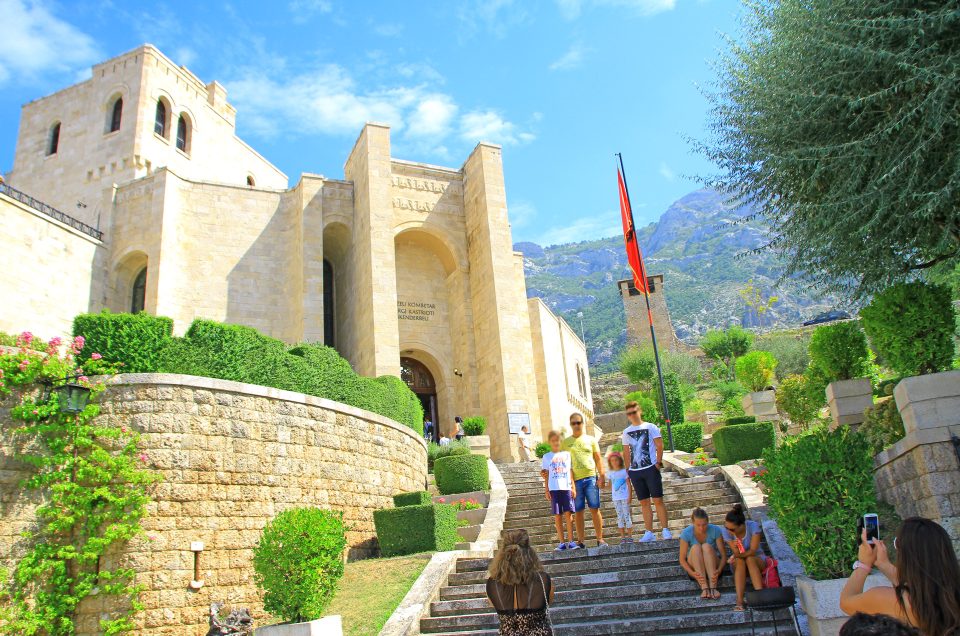
Albania is full of archaeological wealth and exciting places, such as museums, parks, natural monuments and massive and intimate beaches. There are numerous opportunities to practice your favorite sports and outdoor activities. It also has hiking trails, villages and authentic areas where you will have once-in-a-lifetime experiences, which will surely inspire you for your next trip. We have listed below a few places that have been highly recommended by tourists. These destinations were selected after we contacted the tourist information agencies in Albania and viewed online reviews left on their websites. We have also talked directly with tourists who were visiting different touristic areas in Albania.
The UNESCO City of Berat: Albania’s Living Museum
By virtue of its immense architectural values, dating back to the Byzantine and medieval ages, the town of Berat is protected by UNESCO. Therefore, if you are visiting Albania or even the Balkans, visiting Berat is highly recommended. Starting with its 2500-year-old castle, connected by two main quarters with medieval-style homes that appear to be looking down at every corner of the city. The city itself is a rich catalogue of Byzantine churches and mosques, so it is not surprising that a journey to Berat is recommended by almost all Western Balkan tourist agencies, bloggers, and influencers worldwide.
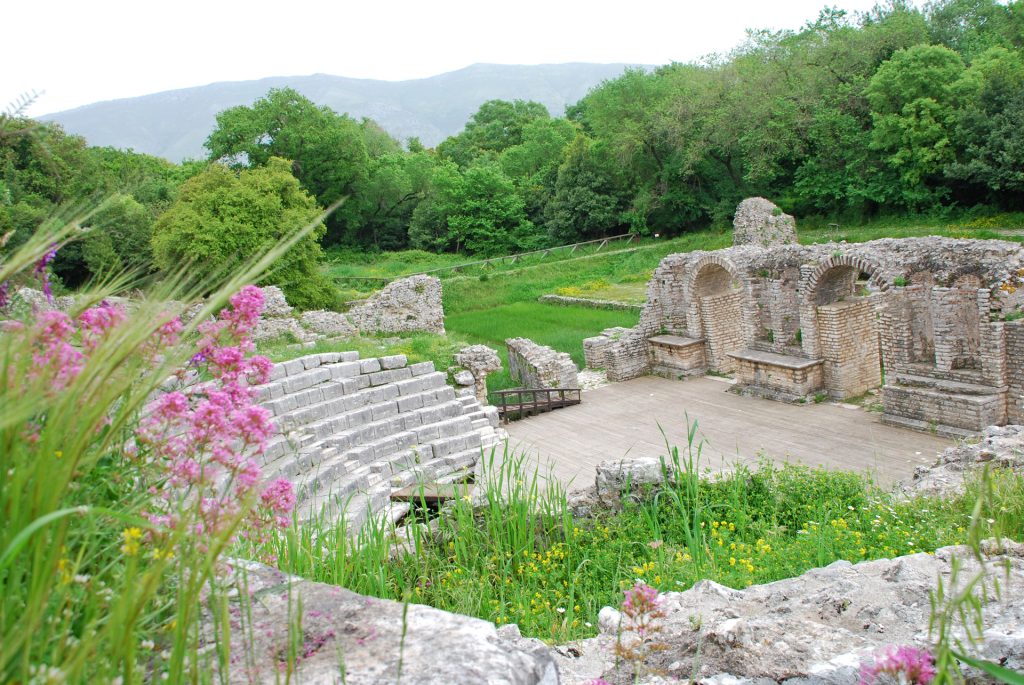
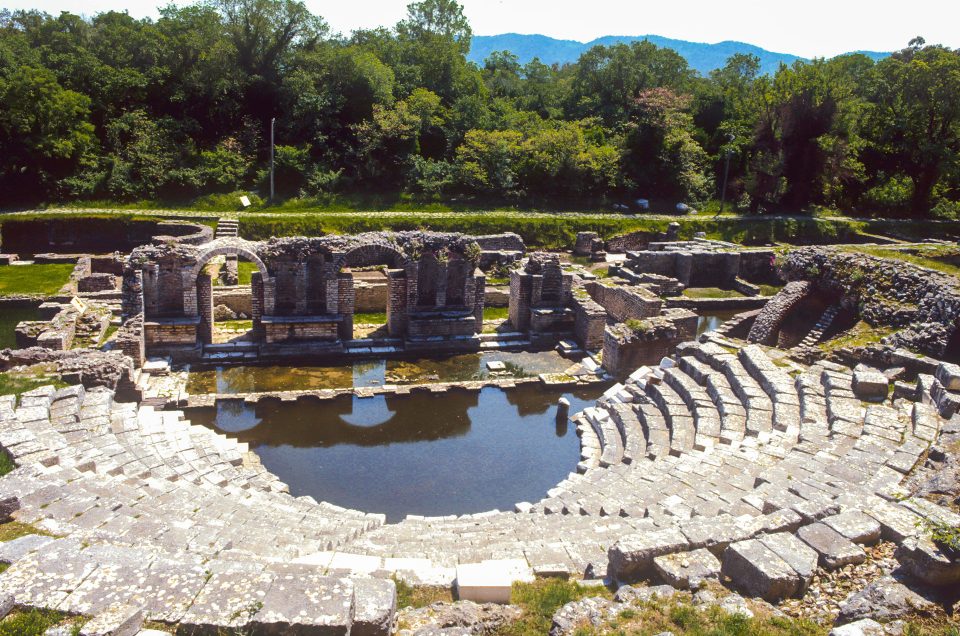
The ancient site of Butrint, with its natural park, could be considered the largest cultural destination in Albania. It is one of the sites that attracts the largest number of visitors. Many of them come from Corfu, the Greek island facing Butrint and Saranda. The island, which is only 16.5 nautic miles from Saranda, is connected by ferries, some of which are specifically designated for tourist who want to visit Butrint. Butrint was inhabited in pre-historic times, and its monuments bear witness to numerous cultures that have gone through, starting with Pelasgians, and moving on to Hellenics, Romans, Byzantines, Venetians, and Ottomans. Among the most significant monuments are the Roman Theatre, Pelasgian Wall, Lion’s Gate, Byzantine basilicas, mosaics, the Venetian Castle, the Archeological Museum, and the triangular castle opposite the park.
Gjirokastra: History and Hilltop Views
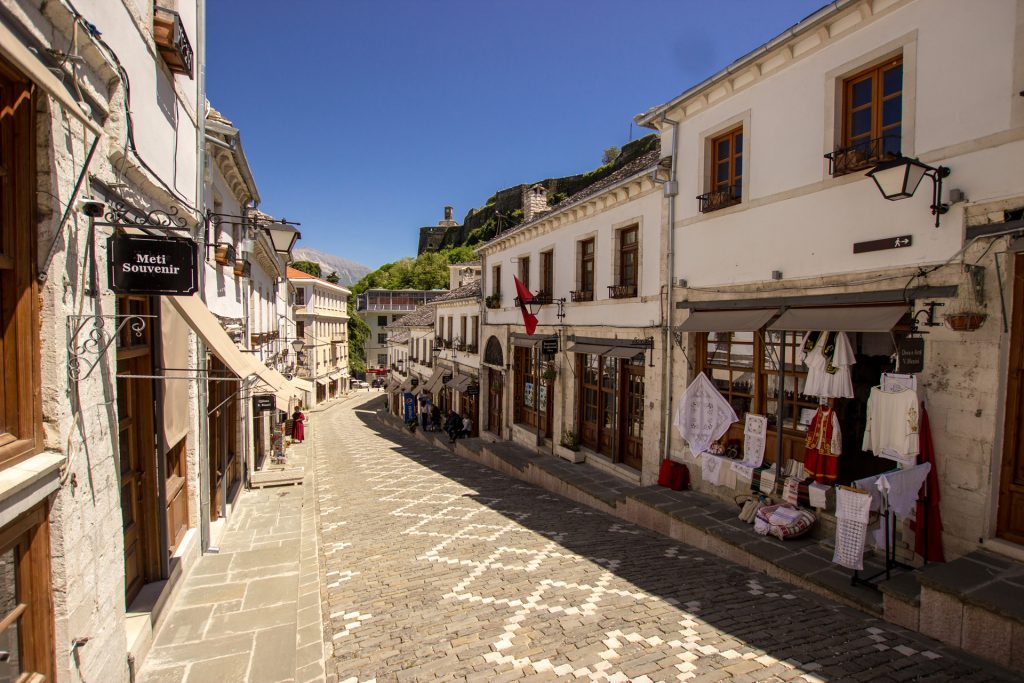
Thanks to enormous architectural and cultural values, Gjirokastra is another Albanian city designated as a UNESCO heritage site. The journal Albanian Tourism has labelled Gjirokastra “Albania’s Architectonic Miracle.” The iconic Castle of Gjirokastra has a grandiose overview in the form of a crusade ship. Below in the ancient streets are houses that look like miniature stone castles of Ottoman style; each of them could be considered an artistic masterpiece in the field of ancient architecture. Furthermore, museums and handicraft centers have contributed to Gjirokastra becoming a unique ethno-cultural destination.
Illyrian Apollonia: Echoes of the Past
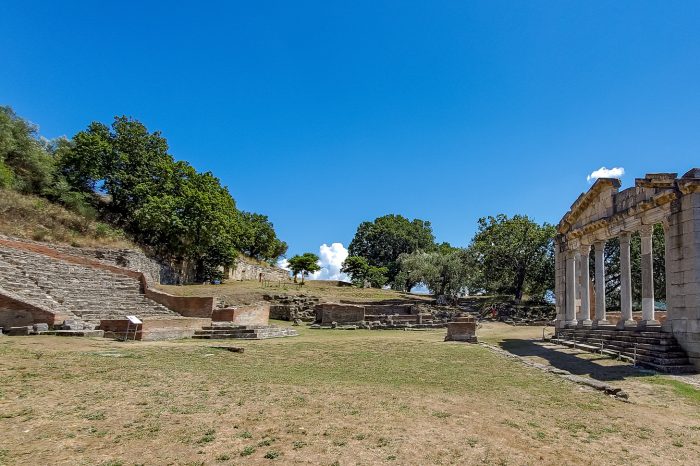
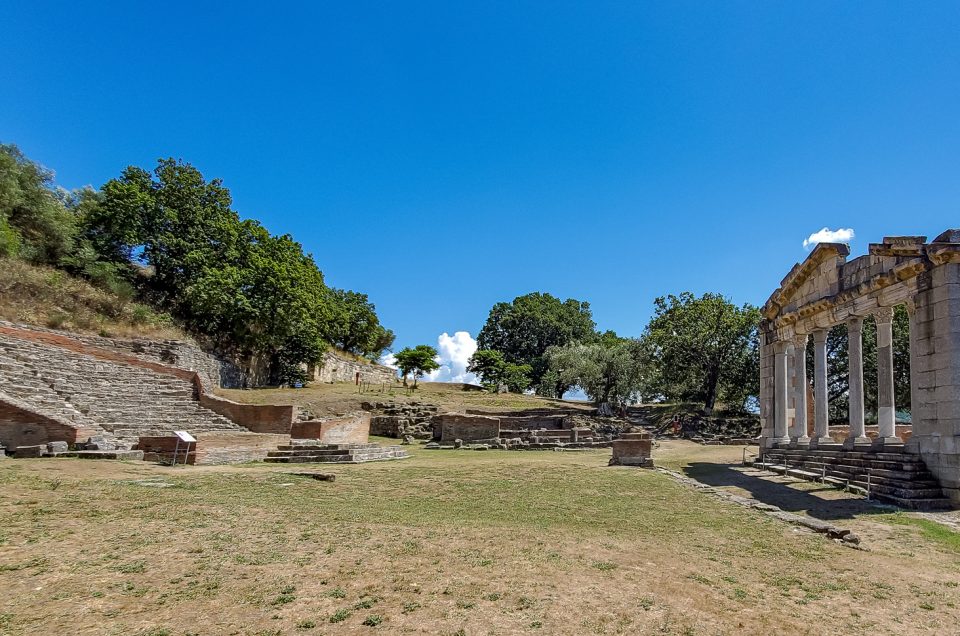
Out of the 24 ancient cities around the world that once possessed the same name, it is said that Apollonia of Illyria was the most important one. Apollonia, named after the mighty god Apollo, is located 12 km from the city of Fier. It was founded during the 7th century BC and has existed for over 1,200 years. It once had a population of around 60,000 inhabitants. The city maintained its grandeur even under Roman rule. The Academy of Apollonia was known world-wide. Many famous figures, including Julius Caesar’s nephew Augustus, studied within its walls.
Apollonia was located on a hilly plateau that was connected to the Adriatic Sea through the Aoös River. It flourished as an important economic and trading center. An earthquake changed the riverbed of Aoös causing Apollonia’s downfall. It is estimated that only 10% of the ancient city has been discovered.
The perfect time to visit Apollonia is around May-June when the ancient ruins are covered in greenery and seasonal flowers. You can learn more about the city’s glory days while breathing in its fresh air. The city of Fier is also known for its amazing poultry dishes, which you can try in the city’s numerous restaurants.
Korça: Albania’s City of Culture and Charm
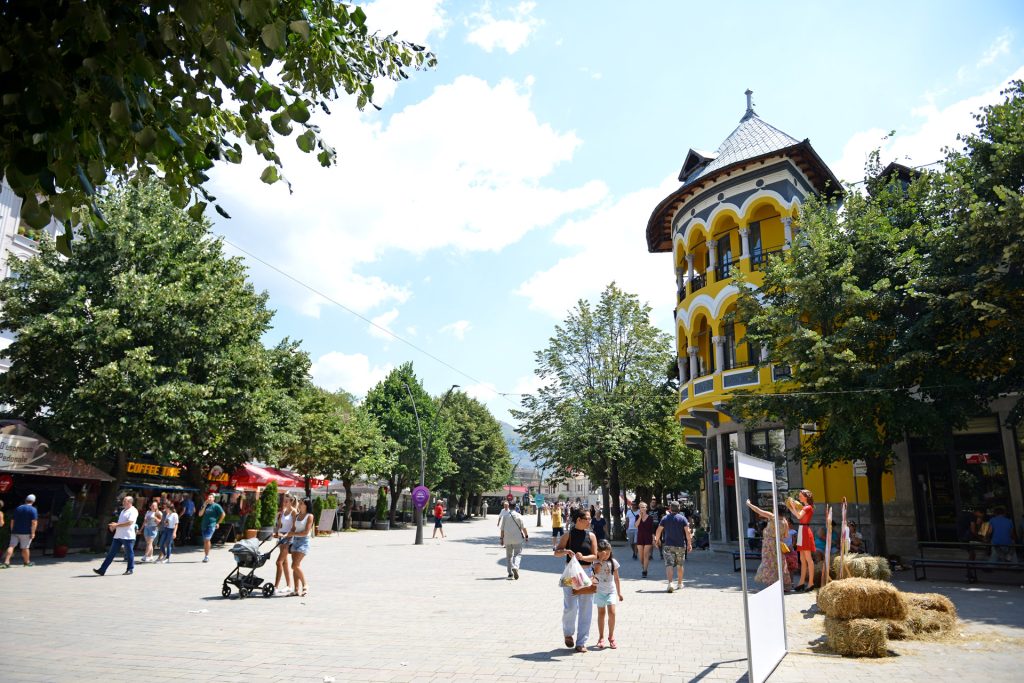
This southeastern city has become one of the leading trendy destinations for domestic tourists and Albanians living abroad, as well as for tourist agencies wanting to show foreigners a little blend of Albanian and French culture in the Balkans. Korça is also known as the city of old inns, since many French-style homes or villas dating back to the 1930s have been turned into guest houses. Korça is also rich with artistic objects and museums, ancient churches, and monuments such as the Illyrian Tomb of Kamenica or Illyrian cemeteries in Selcë and Pogradec, natural parks, and old villages where one can find manifestations of regional culture and tradition.
Museum of Onufri: The Famous Albanian Iconographer
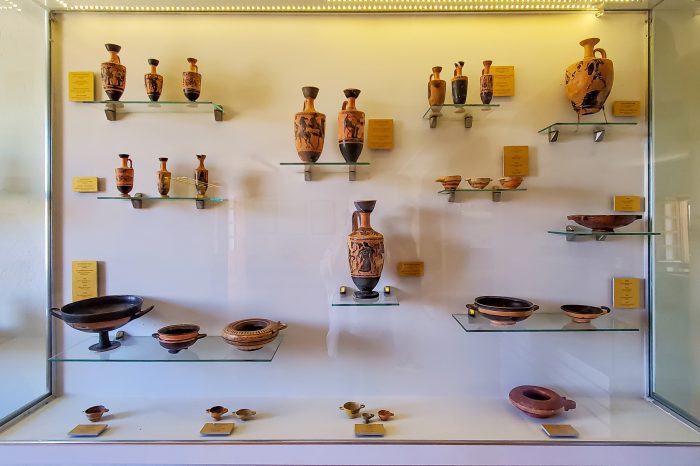
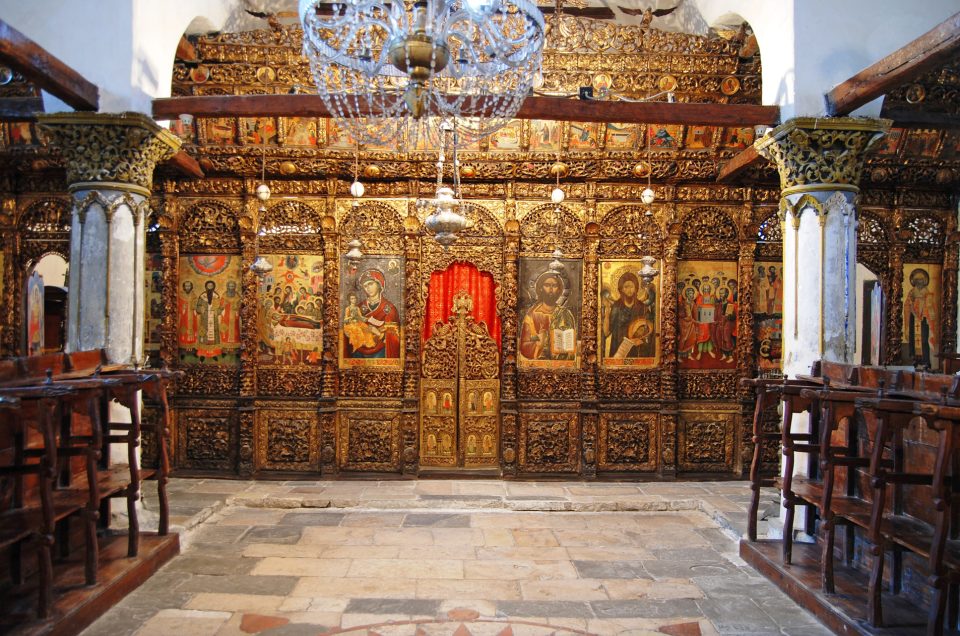
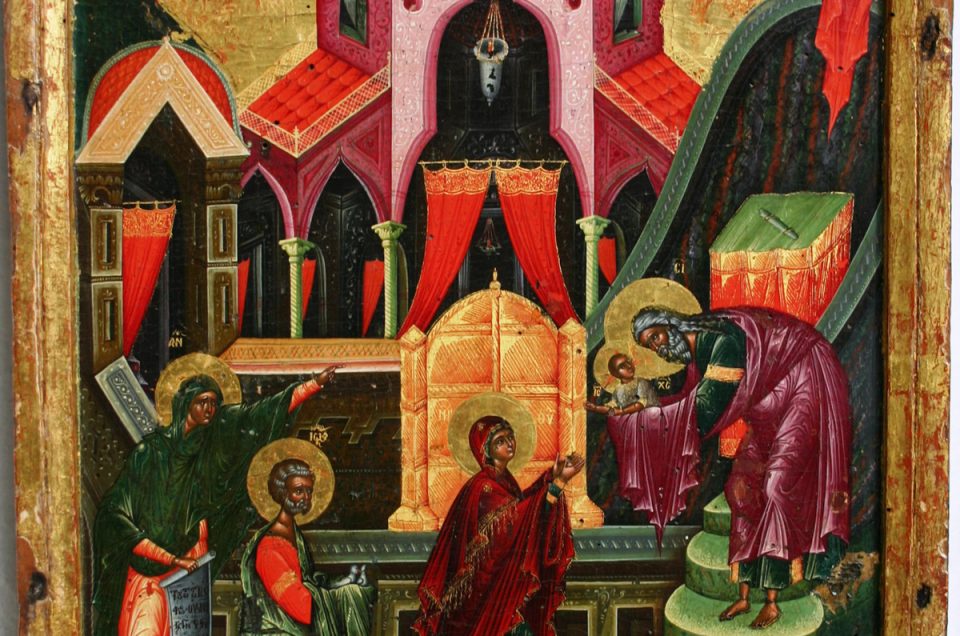
The museum is located inside the Church of the Dormition of St. Mary in Berat Castle. Inside the museum, you will see icons from the 15th– 19th century and gilded woodwork taken from a Byzantine church. What is most unique about this museum are the icons and their colors, as well as the books and ecclesiastical objects presented on numerous pavilions.
In the Footsteps of Ancients:
1. Antigonea
The antique town of Antigonea was founded in 295 BCE by Pyrrhos, King of the Molossians, to honor his wife Antigonea. The ancient town is positioned on a dominant hill named Jerma, near the village of Saraqinishtë, approximately 15 km from Gjirokastra. The modern urban development plan, in a four-corner shape, is protected on all sides with a 4000-meter-long wall that distinguishes it from other antique towns built during the Hellenic period. The trip to Antigonea is inspiring—continually climbing through hills with mesmerizing views all the way up to the destination.
Tip: Antigonea may be visited on a tour to Gjirokastër or to Saranda; the two cities are only 45 km apart.
2. Amantia
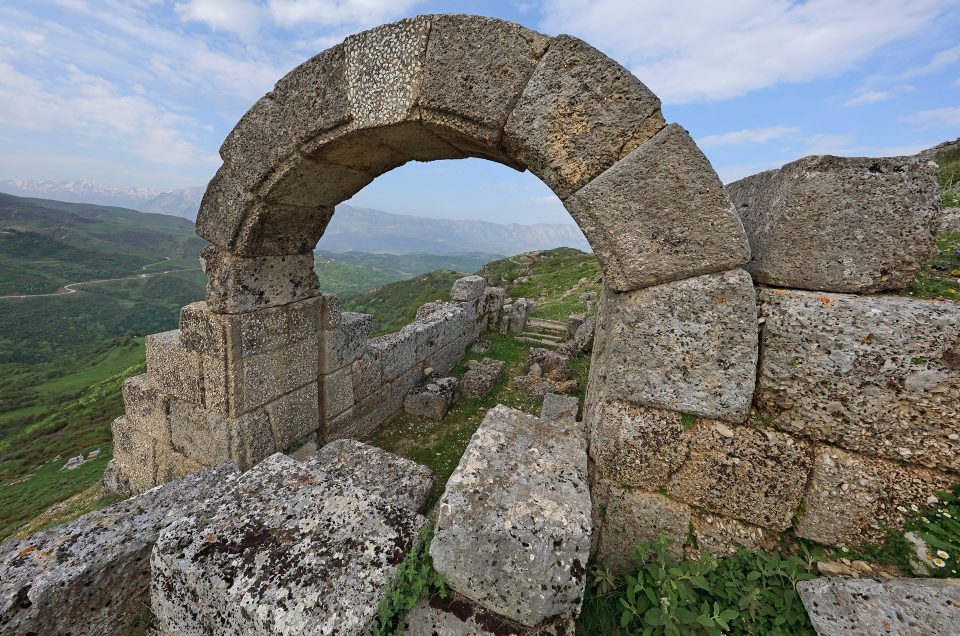
The ancient town of Amantia is in the village of Ploçë, near Vlora, stretching over a beautiful, panoramic hill with a commanding view over the Vjosa River. It is thought that the town was a significant defensive position over the River Asos (Vjosa) and the road to the coastline and the city of Aulona (Vlora). According to researchers, the foundations of this town walls are Illyrian, based upon the large stones used—a typical construction technique of Illyrians—built by the end of the fourth century BCE. Today, in this town one may see the amphitheater, the necropolis, the temple of Aphrodite, and many ruins of ancient walls and gates.
Tip: The Park of Amantia is in a rural area with notable features provided by the villages of Labëria on the Vlora Highlands. Accordingly, one may also use this trip to meet the local inhabitants and thus learn more about the costumes and culture of this area.
Albania’s Via Egnatia: On the Path of Empires
Via Egnatia, which once crossed Illyria (modern day Albania), Macedonia, Greece and Constantinople, is known as one of the most important antique roads in the world. One of its main arteries was the one that connected Durrës with Constantinople. Its construction started in the 2nd century BC. Its main gate and main station were in Durrës, close to the Roman amphitheater.
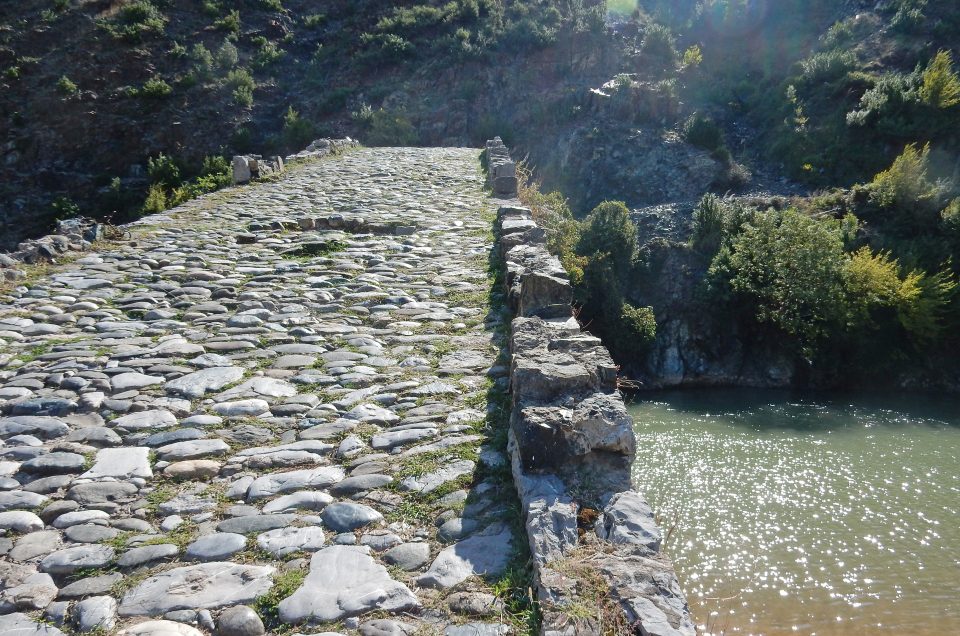
Another starting point was from the city of Apollonia. Both roads met in Claudiana (modern day Peqin) going through the gates of Scampa Castle (modern day Berat). After leaving Elbasan, taking the road to Mirakë and crossing the village bridge, you will see fragments of the same cobblestone street that caravan merchants, carts and knights walked on around 2,000 years ago. The road continues through the peaks of Polis. It is a worthwhile experience to follow the itinerary for 30 minutes on foot.
We recommend continuing your tour by turning back to Mirakë and following another antique road, Illyrian Kandavia, until you reach the monumental graves of Illyrian Kings in Selcë.
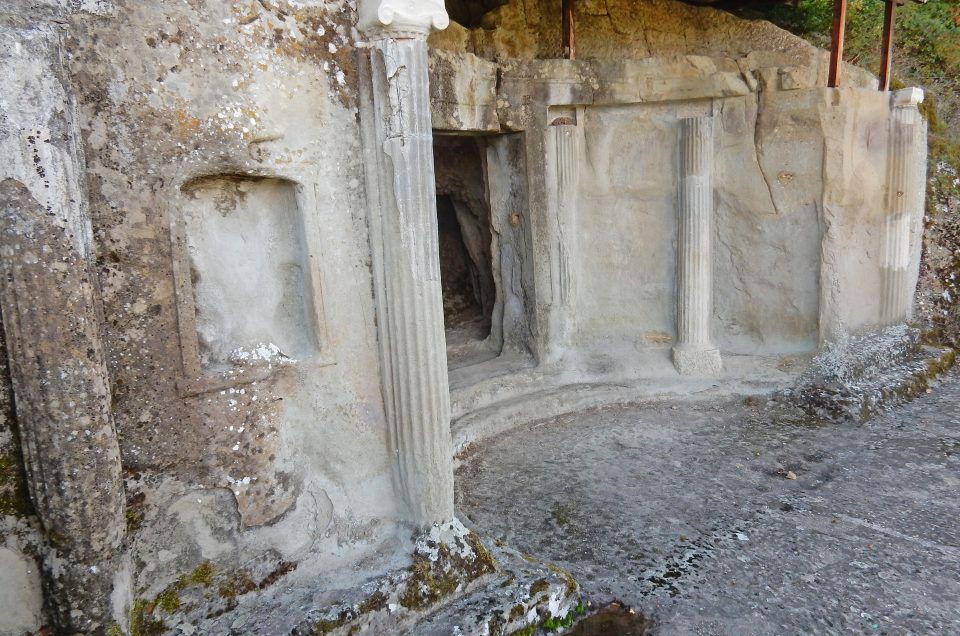
Illyrian Kandavia was first mentioned by Polybius, a Greek historian, around the 2nd century BC. This road stretched parallel to Via Egnatia. Part of Via Egnatia in turn stretched across Illyrian Kandavia and intertwined with other urban centers passing by a mountain called Selca e Poshtme. Here you can discover Illyrian graves from the 4th century BC carved into the rock. Inside these ancient tombs, you can find engraved silver and bronze objects. This is a very important fact because it shows us that in every Illyrian city there were metal workshops which produced high-quality metalwork. Walking and exploring along the foothills of the Illyrian tombs will take you back in time. You can easily imagine the rich Illyrian ceremonies performed to say goodbye to their princes.