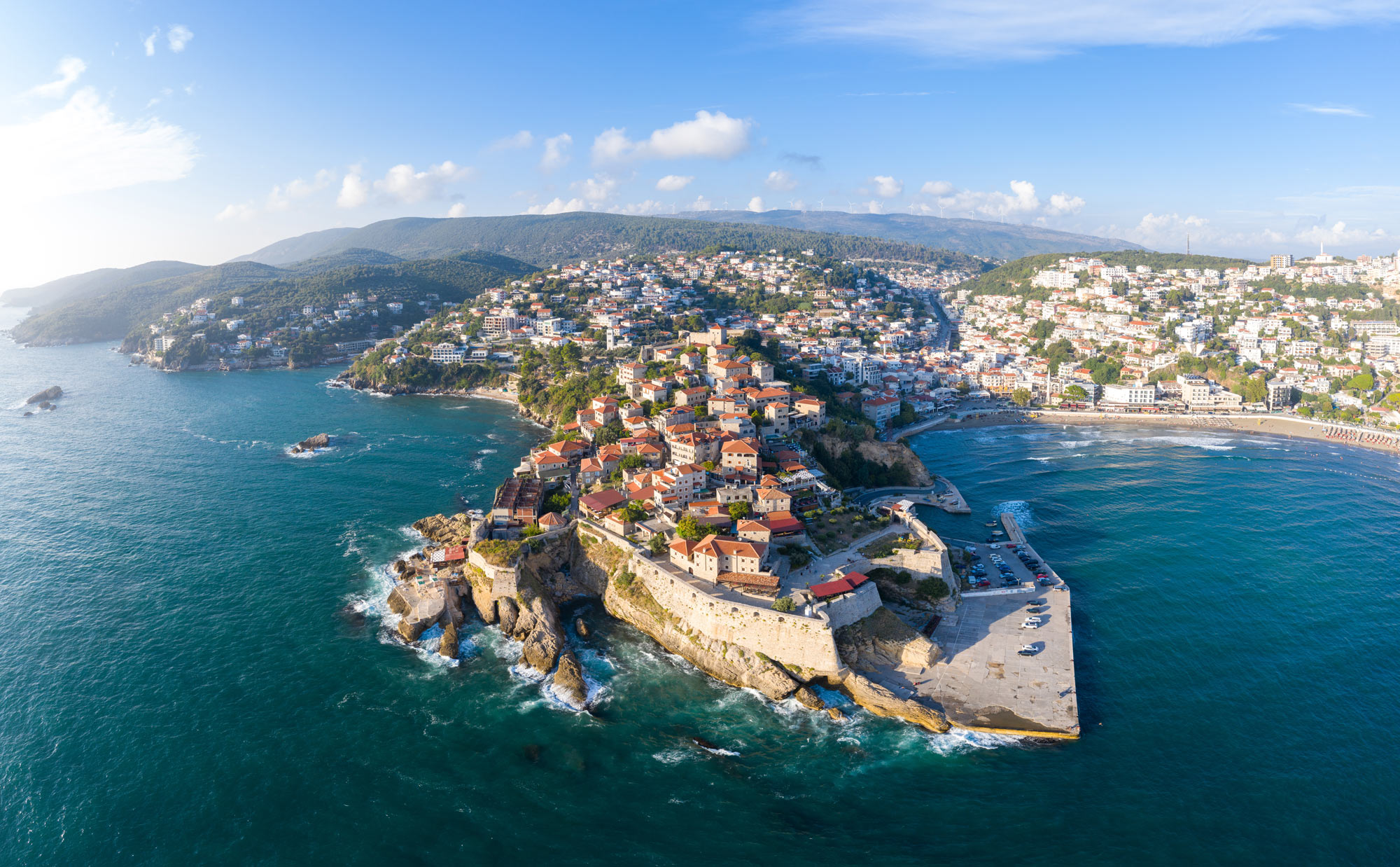
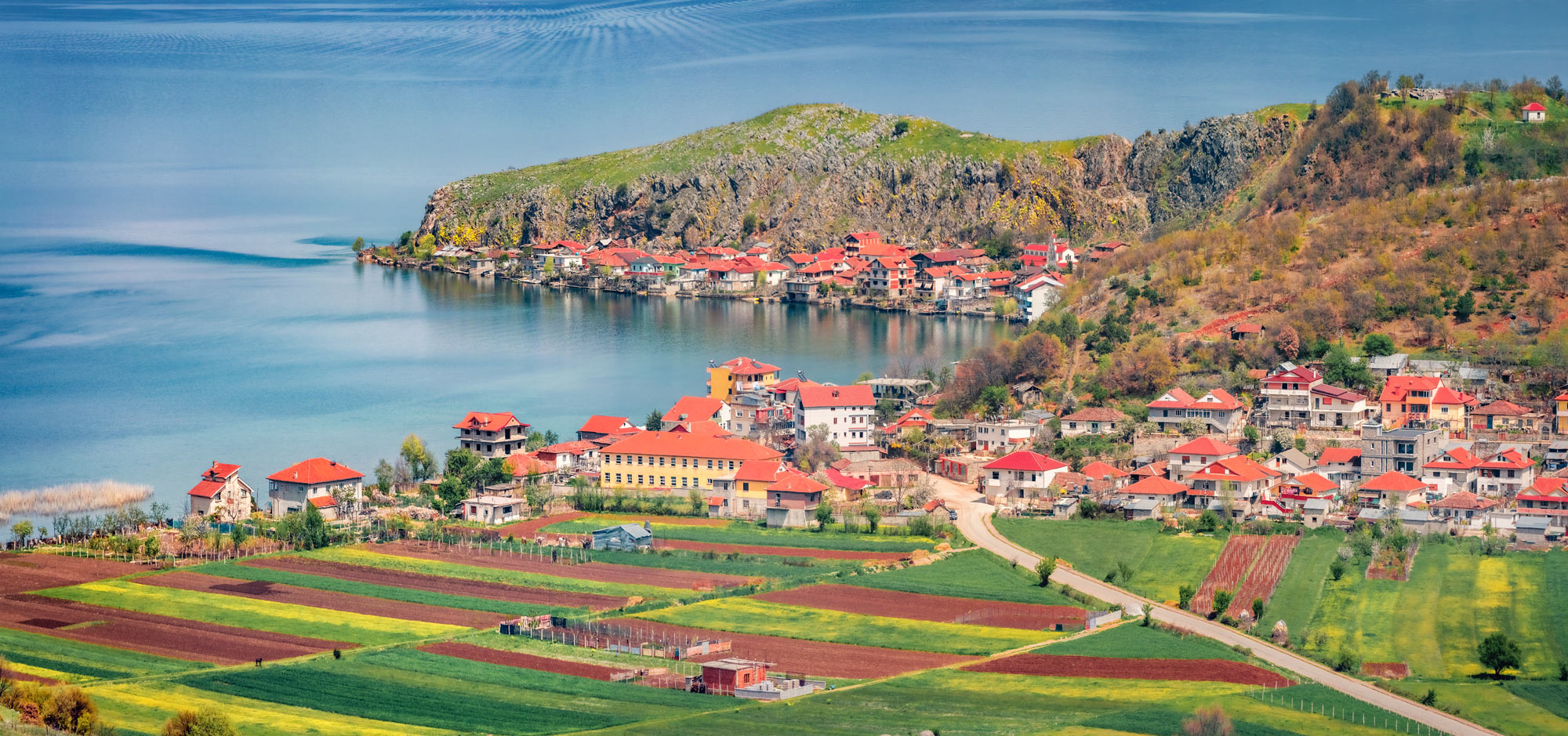
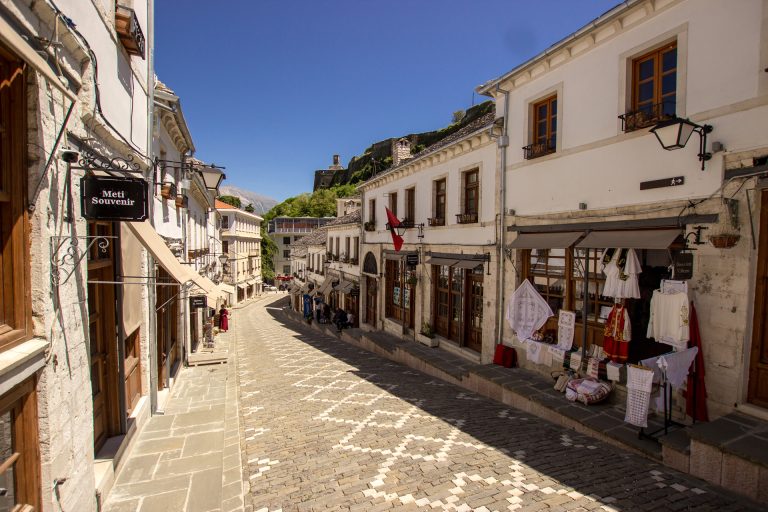
Albania and the Albanian-populated regions beyond its geographical borders offer travelers a unique opportunity to explore one of the Balkans’ richest and most authentic cultural landscapes. From the Adriatic and Ionian coastlines to mountain villages, historic cities, and cross-border cultural regions, this part of Southeastern Europe reveals a heritage shaped by thousands of years of continuity, tradition, and human connection.
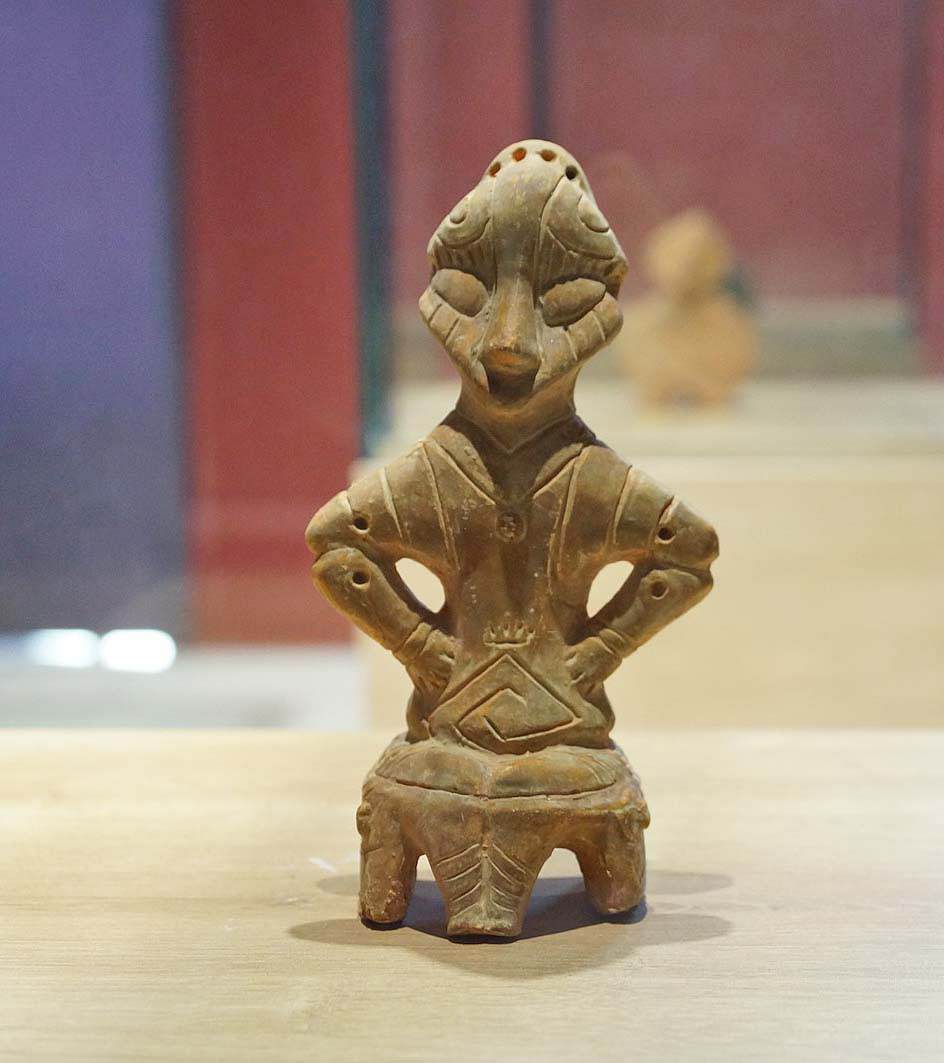
Albanians are regarded as descendants of the ancient Pelasgian and Illyrian populations, making them among the oldest continuously rooted peoples in the Balkan Peninsula. Their language, Albanian, is considered one of the oldest living languages in Europe, preserving unique linguistic features that predate both Latin and Slavic influences. This deep historical continuity gives the region a cultural depth rarely found elsewhere on the continent.
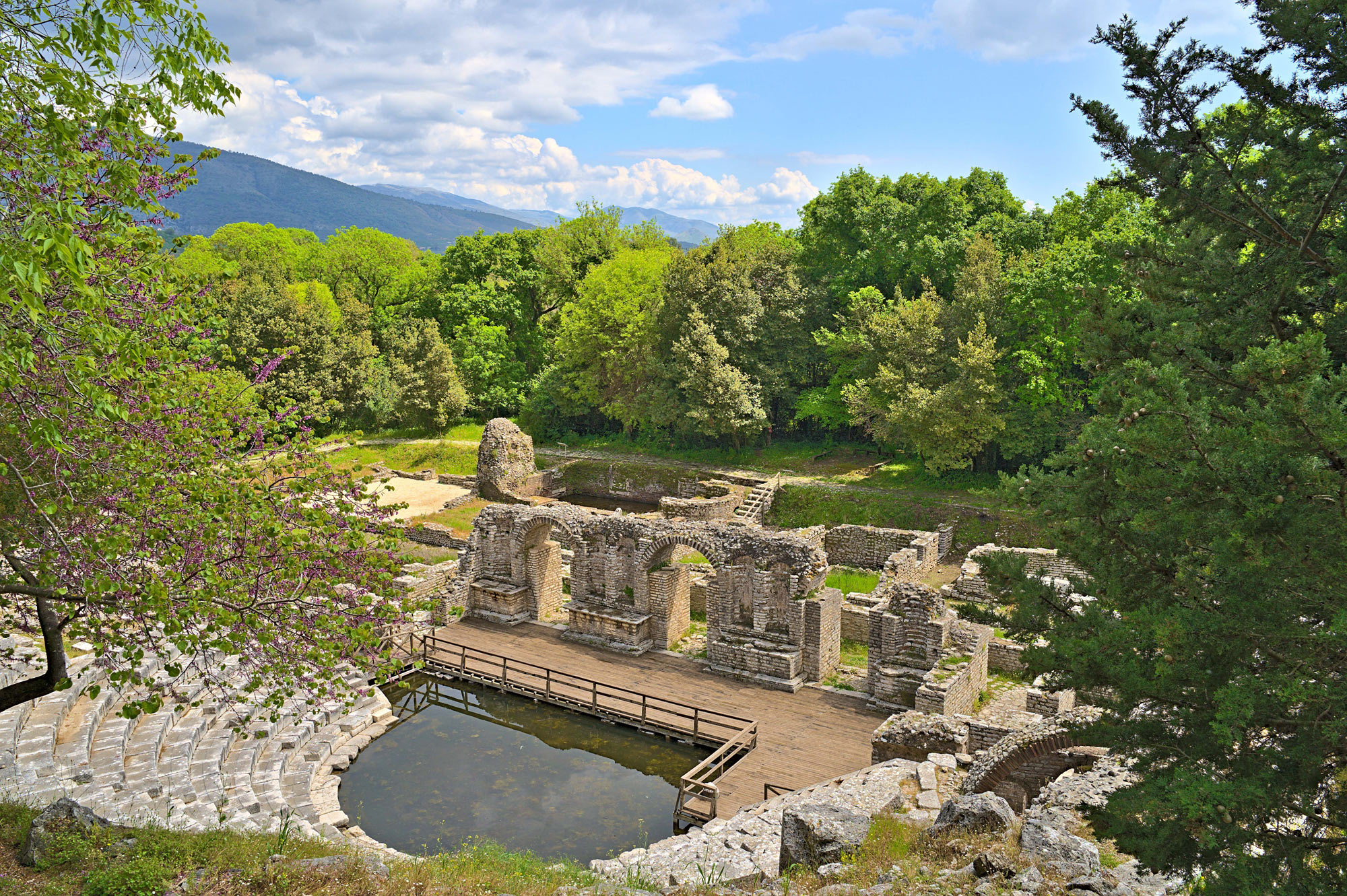
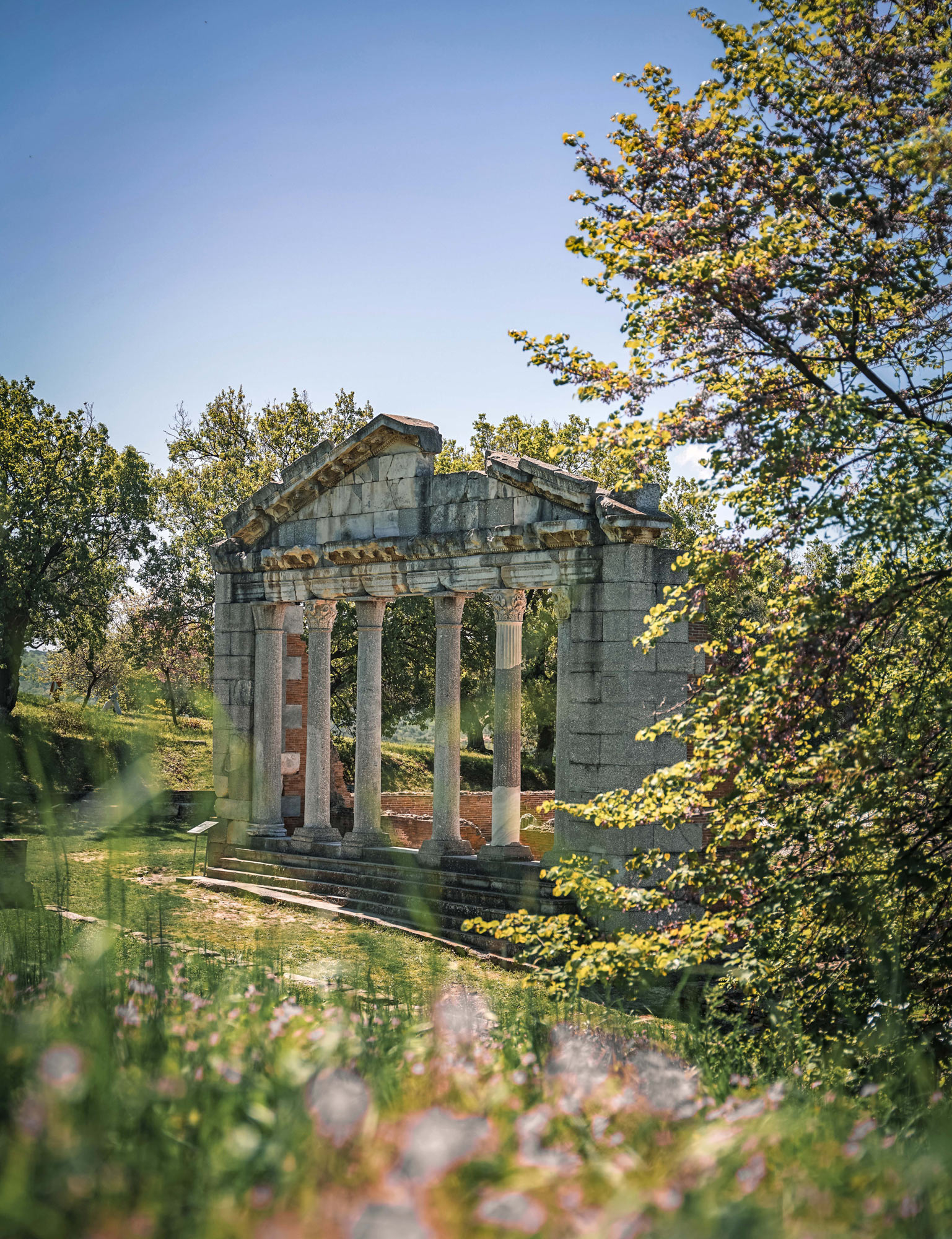
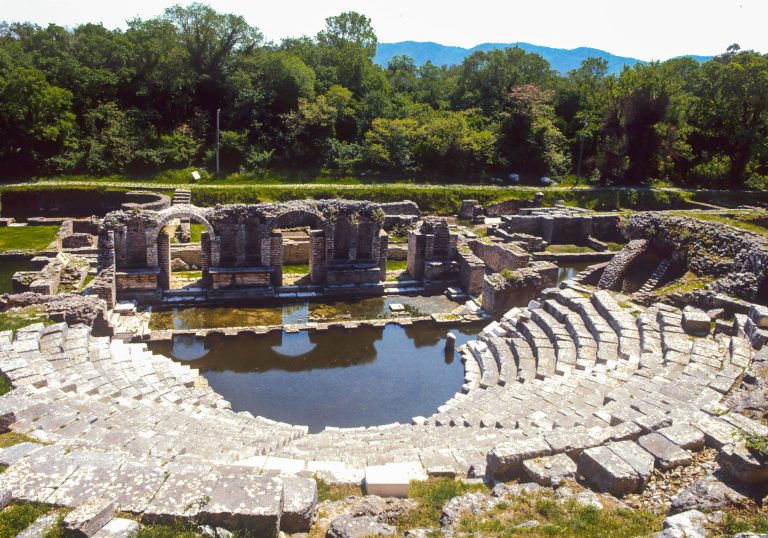
Within Albania itself, ancient archaeological sites, medieval towns, Ottoman-era architecture, and vibrant contemporary life coexist in remarkable harmony. Beyond today’s geographical borders, Albanian cultural heritage continues naturally into neighboring areas such as Kosovo, Montenegro, North Macedonia, southern Serbia, and parts of northwestern Greece, including the historic region known as Çamëria. Towns like Paramythia, Filiates, and Parga—along with surrounding villages—form part of a region long noted in historical records, folklore, and local traditions for its Albanian-speaking communities and distinctive cultural expressions. Architectural remains, place names, oral history, and musical traditions all point to a deep-rooted Albanian cultural layer within the region. Albania and Albanian-Populated Regions reflect shared traditions, architecture, music, cuisine, and ways of life that developed long before modern political boundaries were drawn.

Albania is Europe’s hidden cultural jewel—a destination where ancient civilization, breathtaking landscapes, and living tradition come together in a way few places still can. Nestled between the Adriatic and Ionian seas and shaped by dramatic mountains and fertile valleys, Albania offers travelers an experience that feels both timeless and refreshingly authentic.
What truly sets Albania apart is its deep historical continuity. Albanians are widely regarded as descendants of the ancient Pelasgian and Illyrian populations, making them among the oldest continuously rooted peoples of the Balkan Peninsula. The Albanian language, considered one of the oldest living languages in Europe, preserves unique linguistic features that predate Latin and Slavic influences. This rare continuity gives Albania a cultural depth and identity unlike anywhere else in Europe.
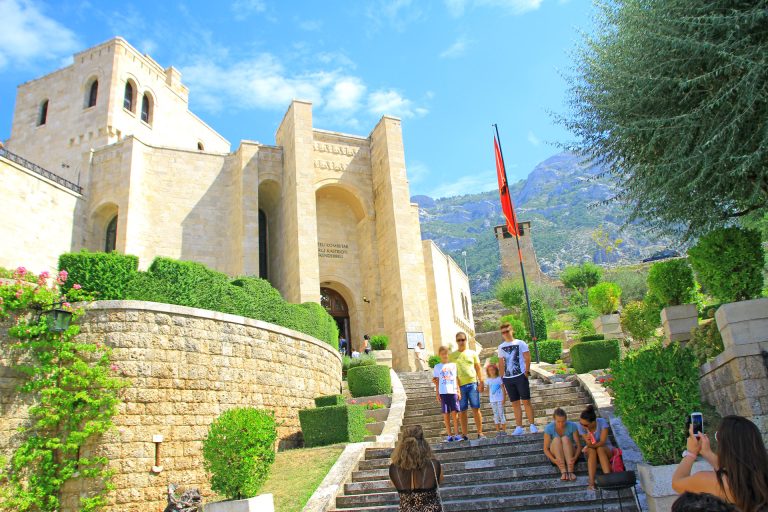
From UNESCO-listed cities and archaeological treasures to pristine beaches, alpine villages, and vibrant local cuisine, Albania captivates visitors with its diversity and warmth. Add to this a centuries-old tradition of hospitality, and Albania becomes more than a destination—it becomes a journey into Europe’s living past.
Albania’s cultural identity is a powerful blend of ancient heritage and living expression. Rooted in Illyrian antiquity and shaped by centuries of history, the country offers visitors a rare opportunity to explore traditions that have survived—and evolved—over millennia.
At the heart of this heritage is the Albanian language, an independent branch of the Indo-European family and one of Europe’s oldest living languages. Alongside it thrives a rich musical tradition, most notably polyphonic singing—recognized internationally for its emotional depth and cultural significance. These artistic expressions are not relics of the past, but vibrant elements of daily life.
Equally captivating is Albania’s regional diversity and the wider Albanian cultural space beyond its geographical borders. From the northern highlands and central plains to the southern coast and neighboring Albanian-inhabited regions in Kosovo, Montenegro, North Macedonia, and Çamëria, each area offers distinct architecture, cuisine, customs, and stories. Together, they form a cultural landscape defined by authenticity, continuity, and a strong sense of place.
Follow us on:
Share this website:
Copyright ACC 2026